

Any departure from absolute regimentation may cause trouble. Any variation from the majority’s opinion may inspire fear. Any word spoken, in class, in the lunchroom, or on the campus, that deviates from the view of another person may start an argument or cause a disturbance. But our Constitution says we must take this risk, and our history says that it is this sort of hazardous freedom — this kind of openness — that is the basis of our national strength and of the independence and vigor of Americans who grow up and live in this relatively permissive, often disputatious, society.
Abraham Fortas (1910–1982) American academic, jurist, lawyer; US Supreme Court Justice (1965–69)
Tinker v. Des Moines Independent Community School District, 393 U.S. 503, 508 (1969) [majority opinion]
(Source)
Regarding the First Amendment right of public school students and teachers to non-disruptive protest against the Vietnam War.
Quotations by:
Fortas, Abe
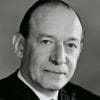
Under our Constitution, free speech is not a right that is given only to be so circumscribed that it exists in principle, but not in fact. Freedom of expression would not truly exist if the right could be exercised only in an area that a benevolent government has provided as a safe haven for crackpots.
Abraham Fortas (1910–1982) American academic, jurist, lawyer; US Supreme Court Justice (1965–69)
Tinker v. Des Moines Independent Community School District, 393 U.S. 503, 513 (1969) [majority opinion]
(Source)