But his [Shakespeare’s] laughter seems to pour from him in floods; he heaps all manner of ridiculous nicknames on the butt he is bantering, tumbles and tosses him in all sorts of horse-play; you would say, with his whole heart laughs. And then, if not always the finest, it is always a genial laughter. Not at mere weakness, at misery or poverty; never. No man who can laugh, what we call laughing, will laugh at these things. It is some poor character only desiring to laugh, and have the credit of wit, that does so. Laughter means sympathy; good laughter is not “the crackling of thorns under the pot.” Even at stupidity and pretension this Shakspeare does not laugh otherwise than genially. Dogberry and Verges tickle our very hearts; and we dismiss them covered with explosions of laughter: but we like the poor fellows only the better for our laughing; and hope they will get on well there, and continue Presidents of the City-watch. Such laughter, like sunshine on the deep sea, is very beautiful to me.
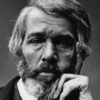
Thomas Carlyle (1795-1881) Scottish essayist and historian
Lecture (1840-05-12), “The Hero as Poet,” Home House, Portman Square, London
(Source)
The spelling of Shakespeare's name is as used by Carlyle (and is one of the variants Shakespeare actually used).
The lecture notes were collected by Carlyle into On Heroes, Hero-Worship, & the Heroic in History, Lecture 3 (1841).