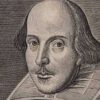
VIOLA: Alas, our frailty is the cause, not we!
For such as we are made of, such we be.William Shakespeare (1564–1616) English dramatist and poet
Twelfth Night, Act 2, sc. 2, l. 31ff (2.2.31-32) (1601)
(Source)
Part of Viola's "Ring Soliloqy," with Viola speaking of the inconstant and frail nature of women in particular. Maybe. There is some controversy over the reading and actual verbiage of this line, given its implications.
In the First Folio, the lines read:Alas, O Frailtie is the cause, not wee,
For such as we are made, if such we bee.
By the Second Folio (1632), the "O" had been "corrected" to "our". Thirlby and Tyrwhitt specifically deleted the "if" in the mid-18th Century.
The Folger version acknowledges some of these changes:Alas, [our] frailty is the cause, not we,
For such as we are made [of], such we be.
One further consideration: it has been argued by some that "made" can legitimately be read as "mad" (as in madness), given the orthographical and pronunciation vagaries of Elizabethan England. This creates a reading where Viola condemns such frailty, if present in us (women? humans?), as madness.
Quotations about:
inconstancy
Note not all quotations have been tagged, so Search may find additional quotes on this topic.