But it is just those books which a man possesses, but does not read, which constitute the most suspicious evidence against him. The Spanish Inquisition have deliberated on that point, and have come to a conclusion that places the matter beyond further doubt.
[Mais ce sont précisément les livres qu’un homme ne lit pas qui l’accusent les plus. L’inquisition d’Espagne a jugé ce point, et l’a mis hors de doute.]
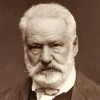
Victor Hugo (1802–1885) French writer, journalist, human rights activist, politician
Toilers of the Sea [Les Travailleurs de la Mer], Book 1, ch. 4 (1866) [tr. Thomas (1911)]
(Source)
On an inherited book in Latin on the protagonist's bookshelf which, his not knowing Latin, makes folk suspicious. (The book is a 17th Century treatise on rhubarb.)
(Source (French)). Other translations:But it is exactly for those very books that a man does not peruse that he is condemned. The history of the Inquisition has proved this to us.
[tr. Campbell (1887)]But it is just those books which a man does not read which condemn him the most. The Spanish Inquisition passed judgment on this point and placed it beyond a doubt.
[tr. Hapgood (1888)]But it is just those books that a man does not read that provide evidence against him. The Spanish Inquisition considered this point and put the matter beyond doubt.
[tr. Hogarth (2002)]