For what difference is there between someone who urges an action before it is done and someone who applauds it afterwards? What does it matter whether I wanted it done or was pleased that it had been done?
[Quid enim interest inter suasorem facti et probatorem? Aut quid refert utrum voluerim fieri an gaudeam factum?]
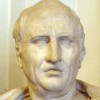
Marcus Tullius Cicero (106-43 BC) Roman orator, statesman, philosopher
Philippics [Philippicae; Antonian Orations], No. 2, ch. 12 / sec. 29 (2.12/2.29) (44-10-24 BC) [tr. Berry (2006)]
(Source)
On his approval, after the fact, of Julius Caesar's assassination, though not being one of the conspirators.
(Source (Latin)). Other translations:For what moral difference is there between urging an action and approving of it? or what matter does it make whether I wished for the deed or rejoice that it was done?
[tr. King (1877)]For what difference is there between the adviser and the approver of a deed? or what does it matter whether I wished it done, or was glad that it was done?
[tr. Ker (Loeb) (1926)]For what is the difference between a man who has advised an action, and one who has approved of it? or what does it signify whether I wished it to be done, or rejoice that it has been done?
[tr. Yonge (1903)]What difference is there between him who instigates and him who approves the crime?
[ed. Harbottle (1906)]For between the man who advises an action and the man who approves when it is done there is not the slightest difference. Whether I wished the deed to be performed or am glad after its performance, is wholly immaterial.
[tr. Grant (1960)]For what is the difference between someone who suggests something and someone who applauds it? What does it matter whether I wanted it done or am delighted that it was done?
[tr. McElduff (2011)]
Quotations about:
instigation
Note not all quotations have been tagged, so Search may find additional quotes on this topic.
Wars begin when you will, but they do not end when you please.
Niccolò Machiavelli (1469-1527) Italian politician, philosopher, political scientist
Florentine Histories, Book 3, ch. 2 (1521-5)
As commonly given, specific translation unknown. Alt. trans.:
- "It is in the power of any man to begin a war, but he cannot end it when he pleases." [tr. Lester (1843)]
- "People may go to war when they will, but cannot always withdraw when they like." [Bohn's Standard Library (1891)]
- "Wars begin at the will of anyone, but they do not end at anyone's will." [tr. Banield and Mansfield (1988), Book 3, ch. 7]