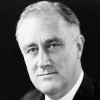
Eloquence is logic on fire.
Lyman Beecher (1775–1863) American minister, preacher, abolitionist
(Attributed)
This phrase is widely attributed to Beecher, but I cannot find a primary source. It is possible the overall phrase is from a combination of different Beecher comments about Theodore Weld (1803-1895), one of the founders of the American abolitionist movement. Beecher one time described Weld being "as eloquent as an angel, and as powerful as thunder." More significantly, James Monroe, an Oberlin faculty member, mentioned Beecher and Ward in a lecture about early abolitionists (published in 1897):I was never so fortunate as to hear Theodore D. Weld ; but I constantly met those who had heard him, and all reports justified Dr. Lyman Beecher's description of his eloquence as "logic on fire."
Both or just the latter reference could have synthesized the attributed full Beecher quote, pairing "eloquence" to an actual phrase of Beecher's.
In 1848, the phrase "logic on fire," attributed to Beecher, shows up.
In 1881, it's recalled that "Set your logic on fire" was a common advice of Beecher's.
Throughout the latter half of the 19th Century, the phrase "logic on fire" is applied to the speaking ability of various preachers and orators, often without reference to Beecher, but, when it is attributed, it is to.
In summary, while "logic on fire" when speaking of eloquence or speaking style appears to be Beecher's (primary source unknown), the actual phrase starting with "Eloquence is" cannot be pinnned down as clearly.
Quotations about:
public speaking
Note not all quotations have been tagged, so Search may find additional quotes on this topic.

To this cause of the unpopularity of sermons may be added the extremely ungraceful manner in which they are delivered. The English, generally remarkable for doing very good things in a very bad manner, seem to have reserved the maturity and plenitude of their awkwardness for the pulpit.
Sydney Smith (1771–1845) English clergyman, essayist, wit
Memoir of the Reverend Sydney Smith, by His Daughter, Lady Holland, Vol. 1, ch. 3 (1855)
(Source)
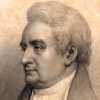
I suggested a plan one time to shorten the Senate debate. Every time a Senator tells all he knows, make him sit down. That will shorten it. Some of them wouldn’t be able to answer roll call.
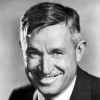
Make sure you have finished speaking before your audience has finished listening.
Dorothy Sarnoff (1914–2008) American opera singer, actress, image consultant
Speech Can Change Your Life (1970)
(Source)
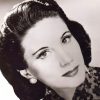
The human brain starts working the moment you are born and never stops until you stand up to speak in public.
George Jessel (1898–1981) American comedian, singer, songwriter, producer
Quoted in The Observer (7 Aug 1949)
Jessel was a frequent master of ceremonies, and often used the line. Variant: "The human brain is a wonderful thing. It starts working the moment you are born, and never stops until you stand up to speak in public."
I am very little inclined on any occasion to say anything unless I hope to produce some good by it.
Abraham Lincoln (1809–1865) American lawyer, politician, US President (1861–65)
Speech (1862-08-06), Union (War) Meeting, US Capitol steps, Washington, D. C.
(Source)
Be sincere; be brief; be seated.
Franklin Delano Roosevelt (1882–1945) American lawyer, politician, statesman; US President (1933–45)
(Attributed)
FDR's son, James, attributed this to his father, and it has frequently since been credited to him (with varying punctuation).The other day James Roosevelt opened a talk he made at Hollywood by saying: “My father gave me these hints on speechmaking. Be sincere … be brief … be seated.”
[Washington Post (1940-01-13)]
But similar sentiments elsewhere make it more likely that this is something FDR picked up and passed on. More research into this quotation (and the similar "Stand up ... speak up ... shut up") here: Quote Origin: Be Sincere; Be Brief; Be Seated – Quote Investigator®.