The people were certain that their freedom was at risk. Their leaders did not agree.
[Populus libertatem agi putabat suam. Dissentiebant principes.]
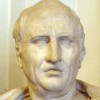
Marcus Tullius Cicero (106–43 BC) Roman orator, statesman, philosopher
Pro Sestio [For Publius Sestius], ch. 48 / sec. 103 (56-02 BC) [tr. @sentantiq (2020)]
(Source)
In the actual examples around the statement, the leadership (optimates) fear measures granting more voice to the masses, establishing a secret ballot, and providing food to poor at the cost of taxing the rich; Cicero supports that conservative opinion.
(Source (Latin)). Other translations:The people thought their liberty was at stake in that measure. The leading men were of a different opinion.
[tr. Hickie (1888)]The people thought that its liberties were at stake; the chief men of the state dissented.
[tr. Yonge (1891)]The People thought that their liberty was at stake. The leaders of the State held a different opinion.
[tr. Gardner (Loeb) (1958)]