MARCUS: The power of separating the intellect from the senses, and reason from instinct, is characteristic of the highest genius.
[Magni autem est ingenii sevocare mentem a sensibus et cogitationem ab consuetudine abducere.]
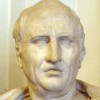
Marcus Tullius Cicero (106–43 BC) Roman orator, statesman, philosopher
Tusculan Disputations [Tusculanae Disputationes], Book 1, ch. 16 (1.16) / sec. 38 (1.38) (45 BC) [ed. Harbottle (1897)]
(Source)
On being able to consider the immortality a disembodied soul without instinctively visualizing animate human bodies in an afterlife.
(Source (Latin)). Alternate translations:Now it is the part of a noble Wit, to call the Mind off from the Senses, and take it out of the common Road.
[tr. Wase (1643)]To withdraw the mind from sensual objects, and abstract our thoughts from what we are accustomed to, is the property of a great genius.
[tr. Main (1824)]But it is the part of great genius to call off the mind from the senses, and to abstract the thought from custom.
[tr. Otis (1839)]To withdraw the mind from sensual objects, and abstract our thoughts from what we are accustomed to, is an attribute of great genius.
[tr. Yonge (1853)]It is the work of surpassing genius to separate the mind from the senses, and to divert thought from its accustomed channels.
[tr. Peabody (1886)]Now it is an attribute of great genius; to distract the mind from the senses, and to withdraw the thoughts from every-day associations.
[tr. Black (1889)]It calls for great intelligence to separate the mind from the senses and to sever thought from mere habit.
[tr. Douglas (1985)]Still, it takes a great talent to isolate the mind from the senses and to redirect thought from its habitual patterns.
[tr. Habinek (1996)]Now, it requires considerable intelligence to separate the mind from the senses and to divide thought from mere habit.
[tr. Davie (2017)]