“Their vanity is full of phantoms which move as in a sublime night, armed with helm and cuirass, spurs on their heels and the sceptres in their hands, saying in a grave voice, ‘We are the ancestors!’ The canker-worms eat the roots, and panoplies eat the people. Why not? Are we to change the laws? The peerage is part of the order of society. Do you know that there is a duke in Scotland who can ride ninety miles without leaving his own estate? Do you know that the Archbishop of Canterbury has a revenue of £40,000 a year? Do you know that her Majesty has £700,000 sterling from the civil list, besides castles, forests, domains, fiefs, tenancies, freeholds, prebendaries, tithes, rent, confiscations, and fines, which bring in over a million sterling? Those who are not satisfied are hard to please.”
“Yes,” murmured Gwynplaine sadly, “the paradise of the rich is made out of the hell of the poor.”— Leur vanité est pleine de fantômes qui s’y promènent comme dans une nuit sublime, armés, casqués, cuirassés, éperonnés, le bâton d’empire à la main, et disant d’une voix grave: Nous sommes les aïeux ! Les scarabées mangent les racines, et les panoplies mangent le peuple. Pourquoi pas? Allons-nous changer les lois? La seigneurie fait partie de l’ordre. Sais-tu qu’il y a un duc en Écosse qui galope trente lieues sans sortir de chez lui? Sais-tu que le lord archevêque de Canterbury a un million de Francs de revenu? Sais-tu que sa majesté a par an sept cent mille livres sterling de liste civile, sans compter les châteaux, forêts, domaines, fiefs, tenances, alleux, prébendes, dîmes et redevances, confiscations et amendes, qui dépassent un million sterling ? Ceux qui ne sont pas contents sont difficiles.
— Oui, murmura Gwynplaine pensif, c’est de l’enfer des pauvres qu’est fait le paradis des riches.
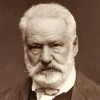
Victor Hugo (1802–1885) French writer, journalist, human rights activist, politician
The Man Who Laughs [L’Homme qui rit; The Laughing Man; By Order of the King], Part 2, Book 2, ch. 11 (2.2.11) (1869) [Authorized trans. (1871)]
(Source)
Ursus and Gwynplaine, at the end of the former's 11-page rant about the rich and powerful.
(Source (French)). Other translations:"Their vanity is full of phantoms which move as in a sublime night, armed with helm and cuirass, spurs on their heels and sceptres in their hands, saying in a grave voice, 'We are the ancestors!' Canker-worms eat the roots, and panoplies eat the people. Why not? Can we expect to change the laws? The peerage is part of the order of society. Do you know that there is a duke in Scotland who can ride ninety miles without leaving his own estate? Do you know that the Archbishop of Canterbury has a revenue of £40,000 a year? Do you know that her Majesty has £700,000 sterling from the civil list, besides castles, forests, domains, fiefs, tenancies, freeholds, prebendaries, tithes, rent, confiscations, and fines, which bring in over a million sterling? Those who are not satisfied are hard to please."
"Yes," murmured Gwynplaine, sadly; "the paradise of the rich is made out of the hell of the poor."
[tr. Unknown (1869)]"Their vanity is full of phantoms, which stalk therein as in a sublime night, armed, helmed, cuirassed, spurred, the wand of empire in their hands, and saying in a grave voice: 'We are ancestors!' Beetles devour roots, and panoplies of armor devour peoples. Why not? Shall we change the laws? The lords form part of order. Do you know that there is a duke in Scotland who can gallop thirty leagues without leaving his own domains? Do you know that the Lord Archbishop of Canterbury has an income of a million francs of France? Do you know that her majesty has seven hundred thousand pounds sterling a year from the civil list, not reckoning castles, forests, domains, fiefs, tenancies, allodial tenures, prebendary ships, tithes, and quitrents, confiscations and fines, which exceed a million sterling. Those who are not content are hard to suit."
"Yes," muttered Gwynplaine, thoughtfully, "it is of the hell of the poor that the paradise of the rich is made."
[tr. Hapgood (1888)]"Their vanity is full of phantoms which walk about in it, as in a sublime night, armed, helmeted, cuirassed, spurred, the staff of empire in their hands, and saying in a grave voice: 'We are the ancestors!' Beetles devour roots, and panoplies devour the people. Why not? Are we going to change the laws? The lords form a part of the order of things. Do you know that there is a duke in Scotland who can gallop thirty leagues without leaving his own land? Do you know that the Lord Archbishop of Canterbury has a revenue of a million French francs? Do you know that Her Majesty has seven hundred thousand pounds sterling of civil list a year, without counting castles, forests, domains, fiefs, tenancies, freeholds, prebendaries, tithes and dues, confiscations and fines which exceed a million sterling? Those who are not satisfied, are hard to please."
"Yes," murmured Gwymplaine, thoughtfully. "The paradise of the rich is made out of the hell of the poor."
[tr. Phillips (1894)]"Their vanity is full of ghosts who walk there as in a sublime night, armed, helmeted, cuirassed, spurred, with the staff of empire in their hands, and sayin with a grave voice: 'We are the forefathers!' The beetles eat the roots, and the panoplies eat the people. Why not? Shall we change the laws? The lordship is part of the order. Do you know that there is a duke in Scotland who gallops thirty leagues without leaving his house? Do you know that the Lord Archbishop of Canterbury has an income of a million French? Do you know that his majesty has a yearly civil list of seven hundred thousand pounds sterling, not counting castles, forests, estates, fiefs, tenements, alleys, prebends, tithes and dues, confiscations and fines, which exceed one million sterling? Those who are not happy are difficult."
"Yes," murmured Gwynplaine thoughtfully, "from the hell of the poor is made the paradise of the rich.
[tr. Lavelle (2003)]