Particularly dangerous are old men who retain the memory of past events, but do not remember how often they have repeated them. I have known some very amusing tales to become most tiresome when told by some gentlemen whose whole audience has been sated with them a hundred times.
[Sur tout les vieillards sont dangereux, à qui la souvenance des choses passees demeure, et ont perdu la souvenance de leurs redites. J’ay veu des recits bien plaisants, devenir tres-ennuyeux, en la bouche d’un Seigneur, chascun de l’assistance en ayant esté abbreuvé cent fois.]
Michel de Montaigne (1533–1592) French essayist
Essays, Book 1, ch. 9 (1.9), “Of Liars [Des Menteurs]” (1572) [tr. Cohen (1958)]
(Source)
This essay was included in the 1st (1580) edition, and expanded in 1588 and 1595. This particular passage was added for the 1595 edition.
(Source (French)). Alternate translations:Above all, old men are dangerous, who have onelie the memorie of things past left them, and have lost the remembrance of their repetitions. I have heard some very pleasant reports become most irkesome and tedious in the mouth of a certaine Lord, forsomuch as all the by-standers had manie times beene cloyed with them.
[tr. Florio (1603)]But above all, old Men, who yet retain the Memory of things past, and forget how often they have told them, are most dangerous Company for this fault; and I have known Stories from the Mouth of a Man of very great Quality, otherwise very pleasant in themselves, become very troublesome, by being a hundred times repeated over and over again.
[tr. Cotton (1686)]But, above all, old men who retain the memory of things past, and forget how often they have told them, are dangerous company; and I have known stories from the mouth of a man of very great quality, otherwise very pleasant in themselves, become very wearisome by being repeated a hundred times over and over again to the same people.
[tr. Cotton/Hazlitt (1877)]Above all, old men are in danger, who retain remembrance of past things and have lost remembrance of their twice-told stories I have known some really amusing tales to become very tiresome in the mouth of a man of the world, every one present having heard them poured out a hundred times.
[tr. Ives (1925)]Old men especially are dangerous, whose memory of things past remains, but who have lost the memory of their repetitions. I have seen some very amusing stories become very boring in the mouth of one nobleman, everyone present having been sated with them a hundred times.
[tr. Frame (1943)]Old men are particularly vulnerable: they remember the past but forget that they have just told you! I have known several amusing tales become boring in one gentleman’s mouth: his own people have had their fill of it a hundred times already.
[tr. Screech (1987)]The most dangerous are the elderly who have kept their recollections of the past but have lost track of their sharing them. I know of pleasant tales told by a certain gentleman that turned quite boring after each member of his audience had been regaled with it a hundred times.
[tr. HyperEssays (2025)]
Quotations about:
retelling
Note not all quotations have been tagged, so Search may find additional quotes on this topic.

I shudder as I tell the tale.
[Horresco réferens]
Virgil (70–19 BC) Roman poet [b. Publius Vergilius Maro; also Vergil]
The Aeneid [Ænē̆is], Book 2, l. 204 (2.204) [Aeneas] (29-19 BC) [tr. Fairclough (1916)]
(Source)
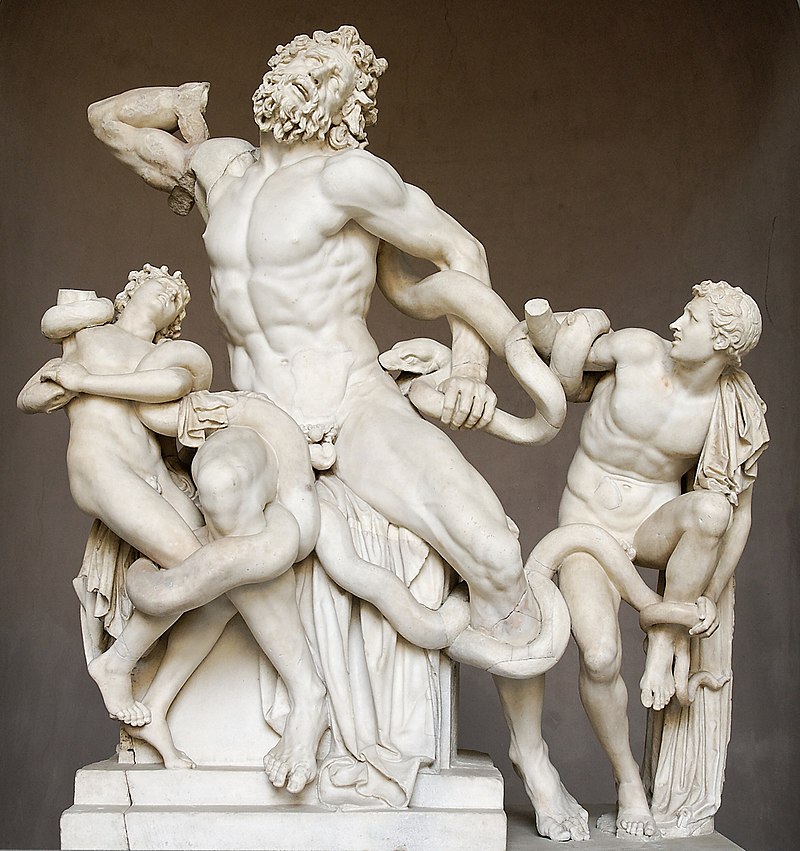
Telling Dido of the terrible deaths of the Trojan priest Laocoön and his sons.
(Source (Latin)). Other translations:I shake to mention.
[tr. Ogilby (1649)]I shudder at the relation.
[tr. Davidson/Buckley (1854)]I quail,
E'en now, at telling of the tale
[tr. Conington (1866)]I shudder as I tell.
[tr. Cranch (1872)]I shudder as I recall.
[tr. Mackail (1885)]I tremble in the tale.
[tr. Morris (1900)]The tale I shudder to pursue
[tr. Taylor
(1907)]I shudder as I tell.
[tr. Williams (1910)]I shudder even now,
Recalling it.
[tr. Humphries (1951)]Telling it makes me shudder.
[tr. Day-Lewis (1952)]I shudder
to tell what happened.
[tr. Mandelbaum (1971)]I shiver to recall it.
[tr. Fitzgerald (1981)]I shudder at the memory of it.
[tr. West (1990)]I shudder to tell it.
[tr. Kline (2002)]I shudder to recall them.
[tr. Lombardo (2005)]I cringe to recall it now.
[tr. Fagles (2006)]I shudder at the telling.
[tr. Bartsch (2021)]