A man must not always tell all, for that were folly: but what a man says should be what he thinks, otherwise ’tis knavery.
[Il ne faut pas tousjours dire tout, car ce seroit sottise : Mais ce qu’on dit, il faut qu’il soit tel qu’on le pense : autrement, c’est meschanceté.]
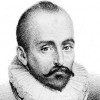
Michel de Montaigne (1533–1592) French essayist
Essays, Book 2, ch. 17 (2.17), “Of Presumption [De la Presomption]” (1578) [tr. Cotton/Hazlitt (1877)]
(Source)
Both this essay and this passage were in the 1st (1580) edition.
(Source (French)). Other translations:A man must not alwayes say al he knows, for that were folie: But what a man speaks ought to be agreeing to his thoughts, otherwise it is impietie.
[tr. Florio (1603)]A man must not always tell all, for that were folly; but what a man says should be what he thinks, otherwise it is knavery.
[tr. Cotton (1686)]Every thing must not always be said, for that would be folly; but what one says should be what one thinks; otherwise it is knavery.
[tr. Ives (1925)]A man must not always say everything, for that were folly; but what a man does say should be what he thinks; otherwise it is knavery.
[tr. Zeitlin (1934)]We must not always say everything, for that would be folly; but what we say must be what we think; otherwise it is wickedness.
[tr. Frame (1943)]It is not necessary always to say everything, for that would be foolish; but what we say should be what we think, the contrary is wicked.
[tr. Cohen (1958)]We should not always say everything: that would be stupid; but what we do say must be what we think: to do otherwise is wicked.
[tr. Screech (1987)]