No honest, clear-headed man, however great a lover of popular government, can deny that the unbridled expression of the majority of a community converted hastily into law or action would sometimes make a government tyrannical and cruel. Constitutions are checks upon the hasty action of the majority. They are the self-imposed restraints of a whole people upon a majority of them to secure sober action and a respect for the rights of the minority.
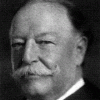
William Howard Taft (1857–1930) US President (1909–13) and Chief Justice (1921–1930)
Veto Statement for the Arizona Enabling Act (15 Aug 1911)
(Source)
Taft vetoed the admission of Arizona to the US with a state constitution that allowed popular recall of judges.
Quotations about:
recall
Note not all quotations have been tagged, so Search may find additional quotes on this topic.
Although my book is intended mainly for the entertainment of boys and girls, I hope it will not be shunned by men and women on that account, for part of my plan has been to try to pleasantly remind adults of what they once were themselves, and of how they felt and thought and talked, and what queer enterprises they sometimes engaged in.
Mark Twain (1835–1910) American writer [pseud. of Samuel Clemens]
The Adventures of Tom Sawyer, Preface (1876)

We write to taste life twice, in the moment and in retrospect.
Anaïs Nin (1903–1977) Catalan-Cuban-French author, diarist
(Attributed)

Memory is often the attribute of stupidity; it generally belongs to heavy spirits whom it makes even heavier by the baggage it loads them down with.
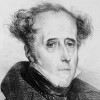
François-René de Chateaubriand (1768–1848) French writer, politican, diplomat
Memoirs from Beyond the Grave [Mémoires d’Outre-Tombe], Book 2, ch. 1 (1848-1850) [tr. Kline]
Why is our memory good enough to recall to the last detail things that have happened to us, yet not good enough to recall how often we have told them to the same person?
[Pourquoi faut-il que nous ayons assez de mémoire pour retenir jusqu’aux moindres particularités de ce qui nous est arrivé, et que nous n’en ayons pas assez pour nous souvenir combien de fois nous les avons contées à une même personne?]
François VI, duc de La Rochefoucauld (1613–1680) French epigrammatist, memoirist, noble
Réflexions ou sentences et maximes morales [Reflections; or Sentences and Moral Maxims], ¶313 (1665-1678) [tr. Kronenberger (1959)]
(Source)
See Montaigne (1572).
This first appeared in the 3rd (1671) edition. In the manuscript it read:Pourquoi faut-il que nous ayons toujours assez de mémoire pour retenir tout ce qui nous est arrivé, et que nous n’en ayons jamais assez pour savoir combien de fois nous l’avons conté à une même personne?
(Source (French)). Other translations:What an odd thing it is, that our Memories should serve us to recollect all the little Circumstances that have happened to us; and yet that we should not remember, how often we have told them over and over again, to one and the same Person?
[tr. Stanhope (1694), ¶313]Why have we memory sufficient to retain the minutest circumstances that have happened to us; and yet not enough to remember how often we have related them to the same person?
[pub. Donaldson (1783), ¶301; ed. Lepoittevin-Lacroix (1797), ¶288; ed. Carvill (1835), ¶264]Why must we have memory enough to retain even the minutest details of what has happened to us, and not enough to remember how many times we have told them to the same person?
[ed. Gowens (1851), ¶323]How is it that our memory is good enough to retain the least triviality that happens to us, and yet not good enough to recollect how often we have told it to the same person?
[tr. Bund/Friswell (1871), ¶313]Why is it that our memory recalls even the minutest details of our experiences, but cannot recall how many times we have told the same story to the same person?
[tr. Heard (1917), ¶320]Why is it that our memory enables us to recall our own experiences down to the minutest detail, whereas we cannot remember how often we have recounted them to a particular person?
[tr. Stevens (1939), ¶313]Why is it that our memory, capable of retaining the minutest details of what has befallen us, yet fails to remind us how often we have already recounted them to the same person?
[tr. FitzGibbon (1957), ¶313]How comes it that our memories are good enough to retain even the minutest details of what has befallen us, but not to recollect how many times we have recounted them to the same person?
[tr. Tancock (1959), ¶313]How is it that our memory is good enough to retain the minutest details of our lives — but not good enough to remember how very many times we have recounted those details to the same person?
[tr. Whichello (2016) ¶313]Why is it that we have enough memory to recall the most trivial occurrences that have happened to us, but not enough memory to remind us how often we have told them to the same person?
[tr. Chandler ¶313]