My beloved has gone down to his garden,
to the beds of spices,
to pasture his flock in the gardens
and to gather lilies.
I am my beloved’s, and my beloved is mine;
he pastures his flock among the lilies.דּוֹדִי֙ יָרַ֣ד לְגַנּ֔וֹ לַעֲרֻג֖וֹת הַבֹּ֑שֶׂם לִרְעוֹת֙ בַּגַּנִּ֔ים וְלִלְקֹ֖ט שֽׁוֹשַׁנִּֽים׃
אֲנִ֤י לְדוֹדִי֙ וְדוֹדִ֣י לִ֔י הָרֹעֶ֖ה בַּשּׁוֹשַׁנִּֽים׃ {ס}The Bible (The Old Testament) (14th - 2nd C BC) Judeo-Christian sacred scripture [Tanakh, Hebrew Bible], incl. the Apocrypha (Deuterocanonicals)
Book 22. Song of Songs (of Solomon; Canticles) 6: 2ff (Song (Cant) 6:2-3), Poem 4 [tr. NRSV (2021 ed.)]
(Source)
The speakers of different lines in the Song are not identified in the original text, but interpolated by different scholars and traditions (not always the same way).
(Source (Hebrew)). Other translations:My beloved is gone down into his garden, to the beds of spices,
to feed in the gardens, and to gather lilies.
I am my beloved’s, and my beloved is mine:
he feedeth among the lilies.
[tr. KJV (1611)]THE BRIDE: My Beloved went down to his garden,
to the beds of spices,
to pasture his flock in the gardens and gather lilies.
I am my Beloved's, and my Beloved is mine.
He pastures his flock among the lilies.
[tr. JB (1966)]BELOVED: My love went down to his garden,
to the beds of spices,
to pasture his flock on the grass and gather lilies.
I belong to my love, and my love to me.
He pastures his flock among the lilies.
[tr. NJB (1985)]WOMAN: My lover has gone to his garden,
where the balsam trees grow.
He is feeding his flock in the garden
and gathering lilies.
My lover is mine, and I am his;
he feeds his flock among the lilies.
[tr. GNT (1992 ed.)]WOMAN: My lover has gone down to his garden,
to the fragrant plantings,
to graze in the gardens,
to gather the lilies.
I belong to my lover and my lover belongs to me --
the one grazing among the lilies.
[tr. CEB (2011)]My beloved has gone down to his garden,
To the beds of spices,
To browse in the gardens
And to pick lilies.
I am my beloved’s
And my beloved is mine;
He browses among the lilies.
[tr. RJPS (2023 ed.)]
Quotations about:
visit
Note not all quotations have been tagged, so Search may find additional quotes on this topic.

If you have a garden in your library, we shall have all we want.
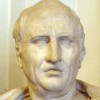
[Si hortum in bibliotheca habes, deerit nihil.]Marcus Tullius Cicero (106–43 BC) Roman orator, statesman, philosopher
Epistulae ad Familiares [Letters to Friends], Book 9, Letter 4, sec. 1 (9.4.1), to Marcus Terentius Varro (46 BC) [tr. Williams (Loeb) (1928)]
(Source)
In context, this is about Cicero discussing visiting Varro, and that he'll be happy to do so if the latter has a garden and a library, either to provide for body (vegetables) and mind, or else a garden library to have a pleasant place to think and talk during his visit.
The phrase, out of context and in more popular usage, changes the pronouns a bit, and is usually presented as a broad suggestion that all a person needs at their house to meet their mental and emotional needs is a garden and a library, e.g., the ubiquitous "If you have a garden and a library, you have everything you need."
(Source (Latin)). Other translations:Let there be a garden in your Librarie, it is no matter for the rest.
[tr. Webbe (1620)]As your library is situated in your garden, I shall want nothing to complete my two favorite amusements; reading and walking.
[tr. Melmoth (1753), 8.14]If you have a garden in your library, everything will be complete.
[tr. Shuckburgh (1899), # 464]If you have a kitchen garden in your library we shall lack for nothing.
[tr. Shackleton Bailey (1978), # 180]If you have a garden in your library, you’ve got it all.
[tr. @sentantiq (2011)]
New Year’s is a harmless annual institution, of no particular use to anybody save as a scapegoat for promiscuous drunks, and friendly calls, and humbug resolutions, and we wish you to enjoy it with a looseness suited to the greatness of the occasion.
Mark Twain (1835–1910) American writer [pseud. of Samuel Clemens]
“New Year’s Day,” Virginia City Territorial Enterprise (Jan 1864)
(Source)

You’ve never been to see any of us. You just stay here in this one corner of the Forest waiting for others to come to you. Why don’t you go to them sometimes?
A. A. Milne (1882–1956) English poet and playwright [Alan Alexander Milne]
House at Pooh Corner, ch. 9 “Eeyore Finds the Wolery” (1928)
(Source)
Rabbit to Eeyore.
Sometimes paraphrased: "You can't stay in your corner of the Forest waiting for others to come to you. You have to go to them sometimes."