What was the crime? To complain. What was the crime? To suffer. Let misery hide and be silent, otherwise it is lèse-majesté.
[Quel était l’attentat? se plaindre. Quel était le crime? souffrir. Que la misère se cache et se taise, sinon elle est lèse-majesté.]
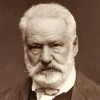
Victor Hugo (1802–1885) French writer, journalist, human rights activist, politician
The Man Who Laughs [L’Homme qui rit; The Laughing Man; By Order of the King], Part 2, Book 9, ch. 2 (.2.9.2) (1869) [tr. Lavelle (2003)]
(Source)
The attitude of the powerful and the courts when confronted by suffering and injustice.
(Source (French)). Other translations:What was the outrage? Disfigurement. What was the crime? Suffering. Let misery hide itself in silence, otherwise it becomes treason.
[tr. Unknown (1869)]What was the outrage? Complaint. What was the crime? Suffering. Let misery hide itself in silence, otherwise it becomes treason.
[tr. Unknown, Authorized (1871)]What was the outrage? -- Complaint. What was the crime? -- Suffering. Let misery hide itself in silence, otherwise it becomes treason.
[tr. Hapgood (1888)]Which was the outrage? The complaint. Which was the crime? The suffering. Let misery hide and be silent; otherwise it becomes high treason.
[tr. Phillips (1894)]