The gods either have power or they have not. If they have not, why pray to them? If they have, then instead of praying to be granted or spared such-and-such a thing, why not rather pray to be delivered from dreading it, or lusting for it, or grieving over it? Clearly, if they can help a man at all, they can help him in this way.
[Ἤτοι οὐδὲν δύνανται οἱ θεοὶ ἢ δύνανται. εἰ μὲν οὖν μὴ δύνανται, τί εὔχῃ; εἰ δὲ δύνανται, διὰ τί οὐχὶ μᾶλλον εὔχῃ. διδόναι αὐτοὺς τὸ μήτε φοβεῖσθαί τι τούτων μήτε ἐπιθυμεῖν τινος τούτων μήτε λυπεῖσθαι ἐπί τινι τούτων, μᾶλλον ἤπερ τὸ μὴ παρεῖναί τι τούτων ἢ τὸ παρεῖναι; πάντως γάρ, εἰ δύνανται συνεργεῖν ἀνθρώποις, καὶ εἰς ταῦτα δύνανται συνεργεῖν.]
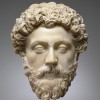
Marcus Aurelius (AD 121–180) Roman emperor (161–180), Stoic philosopher
Meditations [To Himself; Τὰ εἰς ἑαυτόν], Book 9, ch. 40 (9.40) (AD 161-180) [tr. Staniforth (1964)]
(Source)
(Source (Greek)). Alternate translations:Either the Gods can do nothing for us at all, or they can still and allay all the distractions and distempers of thy mind. If they can do nothing, why doest thou pray? If they can, why wouldst not thou rather pray, that they will grant unto thee, that thou mayst neither fear, nor lust after any of those worldly things which cause these distractions and distempers of it? Why not rather, that thou mayst not at either their absence or presence, be grieved and discontented: than either that thou mayst obtain them, or that thou mayst avoid them? For certainly it must needs be, that if the Gods can help us in anything, they may in this kind also.
[tr. Casaubon (1634)]Either the Gods have power to assist us, or they have not. If they have not, what does praying to them signifie? If they have, why don't you rather pray that they would Discharge your Desires, than Satisfie them; and rather set you above the Passion of Fear, than keep away the Thing you are afraid of? For if the Gods can help us, no doubt they can help us to be Wiser.
[tr. Collier (1701), 9.42]Either the Gods have no power at all [to aid men in any thing;] or they have power. If, then, they have no power, why do you pray? But if they have power, why don’t you chuse to pray to them to enable you, neither to fear any of these things, [which are not in our own power] nor desire any of them, nor be grieved about any of them; rather than for the having them, or the not having them. For, most certainly, if they can aid men at all, they can also aid them in this.
[tr. Hutcheson/Moor (1742)]Either the Gods have power to assist mankind, or they have not. If they have not, why do you pray to them? If they have that power, why do you not rather pray, "that they would enable you neither to fear nor to desire any thing; nor to be more grieved fro the want, than for the possession of it?" For, certainly, if they have the power to co-operate with the endeavours of men, they can do it in this respect.
[tr. Graves (1792)]Either the gods have no power or they have power. If, then, they have no power, why dost thou pray to them? But if they have power, why dost thou not pray for them to give thee the faculty of not fearing any of the things which thou fearest, or of not desiring any of the things which thou desirest, or not being pained at anything, rather than pray that any of these things should not happen or happen? for certainly if they can co-operate with men, they can co-operate for these purposes.
[tr. Long (1862)]Either the gods have power to assist us, or they have not. If they have not, what does praying to them help you? If they have, why do you not rather pray that they would remove your fears and moderate your desires, and rather keep you from grieving for any of these things, than keep away one thing and grant another? For if the gods can help us, no doubt they can help us to be wiser.
[tr. Collier/Zimmern (1887)]The gods either have power, or they have not. If they have not, why pray at all? If they have, why not pray for deliverance from teh fear, or the desire, or the pain, which the thing causes, rather than for the withholding or the giving of the particular thing? Assuredly, if they can help men at all, this is the way of help.
[tr. Rendall (1898)]Either the Gods have power or they have none. If they have no power, why do you pray? If they have power, why do you not choose to pray to them for power neither to fear, nor to desire, nor to be grieved over any of these external things, rather than for their presence or their absence? Surely, if the Gods can aid man at all, they can aid him in this.
[tr. Hutcheson/Chrystal (1902)]Either the Gods have no power or they have power. If they have no power, why pray to them? But if they have power, why not rather pray that they should give thee freedom from fear of any of these things and from lust for any of these things and from grief at any of these things [rather] than that they should grant this or refuse that. For obviously if they can assist men at all, they can assist them in this.
[tr. Haines (Loeb) (1916)]The gods are either powerless or powerful. If then they are powerless, why do you pray? But if they are powerful, why not rather pray them for the gift to fear none of these things, to desire none of them, to sorrow for none of them, rather than that any one of them should be present or absent? For surely if they can co-operate with man, they can co-operate to these ends.
[tr. Farquharson (1944)]The gods either lack power or they have power. If they are powerless, why do you pray to them? But if they have power, why do you not pray to them to grant you the ability neither to fear any of these things nor to desire them, nor to be distressed by them, rather than praying that some of them should fall to you and others not? For surely, if the gods have any power to help human beings, they can help them in this.
[tr. Hard (1997 ed.)]Either the gods have power or they don't. If they don't, why pray? If they do, then why not pray for something else instead of for things to happen or not to happen? Pray not to feel fear. Or desire. Or grief. If they gods can do anything, they can surely do that for us.
[tr. Hays (2003)]Either the gods have power or they do not. Now, if they have no power, why pray? If they do have power, why not pray for their gift of freedom from all worldly fear, desire, or regret, rather than for the presence or absence of this or that? Certainly, if the gods can cooperate with men, they can cooperate to these ends.
[tr. Hammond (2006)]Either the gods have power or they do not. If they do not, why do you pray? But if they do have power, why aren't you praying that they give you the power not to fear, crave, or be troubled by a thing, rather than pryaing to have that thing or not have it? For if the gods can work with us, then surely they can work with us toward this end.
[tr. Needleman/Piazza (2008)]The gods either lack power or they have power. Now if they are powerless, why do you pray to them? But if they have poer, why do you not pray to them to gran you the ability neither to fear any of these things nor to desire them, nor to be distressed by them, rather than praying that some of them should fall to you and others not? For surely, if the gods have any power to help human beings, they can help them in this.
[tr. Hard (2011 ed.)]
Quotations about:
divine guideance
Note not all quotations have been tagged, so Search may find additional quotes on this topic.