I gladly return to the subject of the ineptitude of our education. Its goal has been to make us not good or wise, but learned; it has attained this goal. It has not taught us to follow and embrace virtue and wisdom, but has imprinted in us their derivation and etymology. We know how to decline virtue, if we cannot love it. If we do not know what wisdom is by practice and experience, we know it by jargon and by rote.
[Je retombe volontiers sur ce discours de l’ineptie de nostre institution : Elle a eu pour sa fin, de nous faire, non bons & sages, mais sçavans : elle y est arrivée. Elle ne nous a pas appris de suyvre & embrasser la vertu & la prudence : mais elle nous en a imprimé la derivation & l’etymologie. Nous sçavons decliner vertu, si nous ne sçavons l’aymer. Si nous ne sçavons que c’est que prudence par effect, & par experience, nous le sçavons par jargon & par cœur.]
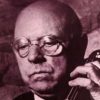
Michel de Montaigne (1533–1592) French essayist
Essays, Book 2, ch. 17 (2.17), “Of Presumption [De la Presomption] (1578) [tr. Frame (1943)]
(Source)
This essay appeared in the 1st (1580) edition, and this section remained the same through later editions.
(Source (French)). Other translations:I willingly returne to this discourse of the fondnesse of our institution: whose aime hath beene to make us not good and wittie, but wise and learned; She hath attained her purpose. It hath not taught us to follow vertue and embrace wisedome; but made an impression in us of it’s Ethimoligie and derivation. Wee can decline vertue, yet can we not love it. If we know not what wisedome is by effect and experience, we know it by prattling and by rote.
[tr. Florio (1603)]I willingly fall again into the discourse of the folly of our education; the end of which has not been to render us good and wise, but learned, and it has obtained it: it has not taught us to follow and embrace virtue and prudence, but has imprinted in us the derivation and etymology, of those words: we know how to decline virtue, yet we know not how to love it: if we do not know what prudence is in effect, and by experience, we have it, however, by jargon and by heart.
[tr. Cotton (1686), 2.8]I willingly fall again into the discourse of the vanity of our education, the end of which is not to render us good and wise, but learned, and she has obtained it. She has not taught us to follow and embrace virtue and prudence, but she has imprinted in us their derivation and etymology; we know how to decline Virtue, if we know not how to love it; if we do not know what prudence is really and in effect, and by experience, we have it however by jargon and heart.
[tr. Cotton/Hazlitt (1877)]I again fall to talking of the vanity of our education, the end of which is not to make us good and wise, but learned. Education has not taught us to follow and embrace virtue and prudence, but she has imprinted in us their derivation and etymology. We know how to decline the word virtue, even if we know not how to love it. If we do not know what prudence really is, in effect and by experience, we at least have the etymology and meaning of the word by heart.
[tr. Rector (1899)]I recur readily to discourses on the utility of our education: its aim has been to make us, not good men and wise, but learned; it has succeeded. It has not taught us to follow and embrace virtue and wisdom, but it has impressed on us their verbal derivation and etymology. We know how to decline virtue, if we do not know how to love it; if we do not know what wisdom is, by results and by experience, we know it by unmeaning words and by hearsay.
[tr. Ives (1925)]I readily relapse into my reflections on the uselessness of our education. Its aim has been to make us not good and wise, but learned; and in this it has succeeded. It has not taught us to follow and embrace virtue and wisdom, but has imprinted their derivations and etymologies on our minds. We are able to decline virtue, even if we are unable to love it; if we do not know what wisdom is in fact and by experience, we are familiar with it as a jargon learned by heart.
[tr. Cohen (1958)]I gladly come back to the theme of the absurdity of our education: its end has not been to make us good and wise but learned. And it has succeeded. It has not taught us to seek virtue and to embrace wisdom: it has impressed upon us their derivation and their etymology. We know how to decline the Latin word for virtue: we do not know how to love virtue. Though we do not know what wisdom is in practice or from experience we do know the jargon off by heart.
[tr. Screech (1987)]
Quotations about:
rote
Note not all quotations have been tagged, so Search may find additional quotes on this topic.
Those masters who allege the incapacity of tender years, only tacitly reproach their own: those who are incapable of teaching young minds to reason, pretend that it is impossible. The truth is they are fonder of making their pupils talk well than think well; and much the greater number are better qualified to give praise to a ready memory than a sound judgment.
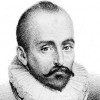
Oliver Goldsmith (1730–1774) Irish poet, playwright, novelist
The History of England; in a Series of Letters from a Nobleman to His Son, Letter 1 (1764)
(Source)
The most dangerous type of atheism is not theoretical atheism, but practical atheism — that’s the most dangerous type. And the world, even the church, is filled up with people who pay lip service to God and not life service. And there is always a danger that we will make it appear externally that we believe in God when internally we don’t. We say with our mouths that we believe in him, but we live with our lives like he never existed. That is the ever-present danger confronting religion. That’s a dangerous type of atheism.
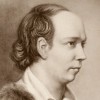
Martin Luther King, Jr. (1929–1968) American clergyman, civil rights leader, social activist, preacher
“Rediscovering Lost Values,” sermon, Second Baptist Church, Detroit (28 Feb 1954)
(Source)
Each second we live is a new and unique moment of the universe, a moment that will never be again. And what do we teach our children in school? We teach them that two and two make four and that Paris is the capital of France. When will we also teach them what they are? We should say to them: Do you know what you are? You are a marvel. You are unique. In all the years that have passed, there has never been another child like you. And look at your body — what a wonder it is! Your legs, your arms, your clever fingers, the ways you move. You may become a Shakespeare, a Michelangelo, a Beethoven. You have the capacity for anything. Yes, you are a marvel. And when you grow up, can you then harm another who is, like you, a marvel? You must work — we must all work — to make the world worthy of its children.
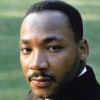
Pablo Casals (1876–1973) Spanish cellist, conductor, composer
In Joys and Sorrows: Reflections by Pablo Casals as told to Albert E. Kahn (1970)