Our readiness to think ill of people without sufficiently examining the matter is based on laziness and pride. We want to find people guilty, we don’t want the bother of studying their crimes.
[La promptitude à croire le mal, sans l’avoir assez examiné, est un effet de l’orgueil et de la paresse: on veut trouver des coupables, et on ne veut pas se donner la peine d’examiner les crimes.]
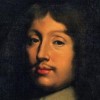
François VI, duc de La Rochefoucauld (1613-1680) French epigrammatist, memoirist, noble
Réflexions ou sentences et maximes morales [Reflections; or Sentences and Moral Maxims], ¶267 (1665-1678) [tr. Kronenberger (1959)]
(Source)
Present in the 1st Edition. Variant: "... un effet de la paresse et de l'orguieil."
Another 1665 variant:La promptitude avec laquelle nous croyons le mal, sans l’avoir assez examiné, est un effet de la paresse et de l’orgueil.
[The readiness with which we believe evil, without having examined it sufficiently, is an effect of laziness and pride.]
Manuscript variant: "... est souvent un effet de paresse, qui se joint à l’orgueil [... is often an effect of laziness, combined with pride]."
(Source (French)). Other translations:A readiness to believe Ill, before we have duly Examined it, is the Effect of Laziness and Pride. Men are pleased to find Others to Blame and loth to give Themselves the Trouble of Enquiring, how far, and whether they are so, or not.
[tr. Stanhope (1694), ¶268]A readiness to believe ill without examination is the effect of pride and laziness. We are willing to find people guilty, and unwilling to be at the trouble of examining into the accusation.
[pub. Donaldson (1783), ¶245; ed. Lepoittevin-Lacroix (1797), ¶250]A willingness to believe ill, without examination, is the effect of pride and idleness. We are ready to suppose guilt, but unwilling to be at the trouble of examining into the accusation.
[ed. Carvill (1835), ¶214]Readiness; to believe evil without sufficient examination is the result of pride and indolence. We wish to find people guilty, and we do not wish to give ourselves the trouble of examining into the crimes.
[ed. Gowens (1851), ¶278]A quickness in believing evil without having sufficiently examined it, is the effect of pride and laziness. We wish to find the guilty, and we do not wish to trouble ourselves in examining the crime.
[tr. Bund/Friswell (1871), ¶267]A ready belief of evil without examining the facts is a form of pride, or of indolence. We are anxious to ferret out criminals without taking the pains of examining their crimes.
[tr. Heard (1917), ¶275]Readiness to believe evil without adequate inquiry is the result of pride and indolence. We like detecting criminals, but we dislike the labor of investigating crimes.
[tr. Stevens (1939), ¶267]The promptitude with which we will believe evil of others, without an adequate examination of the facts, is an effect of pride working with laziness. We wish to find the guilty men, and cannot be be bothered to study the crime.
[tr. FitzGibbon (1957), ¶267]Readiness to believe the worst without adequate examination comes from pride and laziness; we want to find culprits but cannot be bothered to investigate the crimes.
[tr. Tancock (1959), ¶267]A readiness to believe evil without sufficient examination, it is an effect both of pride and of idleness. On the one hand, we desire to find other people guilty; and on the other, we do not wish to take the pains necessary to examine their crimes.
[tr. Whichello (2016) ¶267]