Pashunce iz a good thing for a man to hav, but when he haz got so mutch of it, that he kan fish all day, over the side of a boat, without enny bait on hiz hook, lazyness iz what’s the matter of him.
[Patience is a good thing for a man to have, but when he has got so much of it that he can fish all day, over the side of a boat, without any bait on his hook, laziness is what’s the matter of him.]
Josh Billings (1818–1885) American humorist, aphorist [pseud. of Henry Wheeler Shaw]
Josh Billings’ Farmer’s Allminax, 1876-01 (1876 ed.)
(Source)
This was reworked in the 1879-05 entry as:Patience iz a good thing for a man to hav, but when he haz got so mutch of it, that he kan fish all day long, without enny bate on hiz hook, -- Lazyness, is what's the matter ov him.
[Patience is a good thing for a man to have, but when he has got so much of it that he can fish all day long, without any bait on his hook -- laziness is what's the matter of him.]
Quotations about:
laziness
Note not all quotations have been tagged, so Search may find additional quotes on this topic.

I hav known people who waz virtewous just bekauze they waz lazy, they hadn’t snap enuff in them tew brake one of the 10 commandments.
[I have known people who were virtuous just because they were lazy; they hadn’t snap enough in them to break one of the Ten Commandments.]
Lazyness iz a good deal like money, — the more a man haz ov it the more he seems tew want.
[Laziness is a good deal like money — the more a man has of it, the more he seems to want.]
Josh Billings (1818–1885) American humorist, aphorist [pseud. of Henry Wheeler Shaw]
Josh Billings’ Farmer’s Allminax, 1871-08 (1871 ed.)
(Source)
For men ought not to be so elated by the dignity of the affairs which they have undertaken to manage, as to have no regard to their ease; nor ought they to dwell with fondness on any sort of ease which is inconsistent with dignity.
[Neque enim rerum gerendarum dignitate homines ecferri ita convenit ut otio non prospiciant, neque ullum amplexari otium quod abhorreat a dignitate.]
Marcus Tullius Cicero (106–43 BC) Roman orator, statesman, philosopher
Pro Sestio [For Publius Sestius], ch. 45 / sec. 98 (56-02 BC) [tr. Yonge (1891)]
(Source)
Part of Cicero's discussion of otium cum dignitate ("peace with dignity"), an idealized active private life after retiring from public service. See here for more.
(Source (Latin)). Other translations:For neither is it fitting that men be so carried away by political freedom as to make no provision for tranquility, nor to accept any tranquility which is inconsistent with freedom.
[tr. Hickie (1888)]For just as it ill befits men to be so carried away by the dignity of a public career that they are indifferent in peace, so too it is unfitting for them to welcome a peace which is inconsistent with dignity.
[tr. Gardner (Loeb) (1958)]
Our readiness to think ill of people without sufficiently examining the matter is based on laziness and pride. We want to find people guilty, we don’t want the bother of studying their crimes.
[La promptitude à croire le mal, sans l’avoir assez examiné, est un effet de l’orgueil et de la paresse: on veut trouver des coupables, et on ne veut pas se donner la peine d’examiner les crimes.]
François VI, duc de La Rochefoucauld (1613–1680) French epigrammatist, memoirist, noble
Réflexions ou sentences et maximes morales [Reflections; or Sentences and Moral Maxims], ¶267 (1665-1678) [tr. Kronenberger (1959)]
(Source)
Present in the 1st Edition. Variant: "... un effet de la paresse et de l'orguieil."
Another 1665 variant:La promptitude avec laquelle nous croyons le mal, sans l’avoir assez examiné, est un effet de la paresse et de l’orgueil.
[The readiness with which we believe evil, without having examined it sufficiently, is an effect of laziness and pride.]
Manuscript variant: "... est souvent un effet de paresse, qui se joint à l’orgueil [... is often an effect of laziness, combined with pride]."
(Source (French)). Other translations:A readiness to believe Ill, before we have duly Examined it, is the Effect of Laziness and Pride. Men are pleased to find Others to Blame and loth to give Themselves the Trouble of Enquiring, how far, and whether they are so, or not.
[tr. Stanhope (1694), ¶268]A readiness to believe ill without examination is the effect of pride and laziness. We are willing to find people guilty, and unwilling to be at the trouble of examining into the accusation.
[pub. Donaldson (1783), ¶245; ed. Lepoittevin-Lacroix (1797), ¶250]A willingness to believe ill, without examination, is the effect of pride and idleness. We are ready to suppose guilt, but unwilling to be at the trouble of examining into the accusation.
[ed. Carvill (1835), ¶214]Readiness; to believe evil without sufficient examination is the result of pride and indolence. We wish to find people guilty, and we do not wish to give ourselves the trouble of examining into the crimes.
[ed. Gowens (1851), ¶278]A quickness in believing evil without having sufficiently examined it, is the effect of pride and laziness. We wish to find the guilty, and we do not wish to trouble ourselves in examining the crime.
[tr. Bund/Friswell (1871), ¶267]A ready belief of evil without examining the facts is a form of pride, or of indolence. We are anxious to ferret out criminals without taking the pains of examining their crimes.
[tr. Heard (1917), ¶275]Readiness to believe evil without adequate inquiry is the result of pride and indolence. We like detecting criminals, but we dislike the labor of investigating crimes.
[tr. Stevens (1939), ¶267]The promptitude with which we will believe evil of others, without an adequate examination of the facts, is an effect of pride working with laziness. We wish to find the guilty men, and cannot be be bothered to study the crime.
[tr. FitzGibbon (1957), ¶267]Readiness to believe the worst without adequate examination comes from pride and laziness; we want to find culprits but cannot be bothered to investigate the crimes.
[tr. Tancock (1959), ¶267]A readiness to believe evil without sufficient examination, it is an effect both of pride and of idleness. On the one hand, we desire to find other people guilty; and on the other, we do not wish to take the pains necessary to examine their crimes.
[tr. Whichello (2016) ¶267]
Nobody deserves to be praised for goodness unless he is strong enough to be bad, for any other goodness is usually merely inertia or lack of will-power.
[Nul ne mérite d’être loué de bonté, s’il n’a pas la force d’être méchant: toute autre bonté n’est le plus souvent qu’une paresse ou une impuissance de la volonté.]
François VI, duc de La Rochefoucauld (1613–1680) French epigrammatist, memoirist, noble
Réflexions ou sentences et maximes morales [Reflections; or Sentences and Moral Maxims], ¶237 (1665-1678) [tr. Tancock (1959)]
(Source)
This passage was in the 1st (1665) edition, but as:Nul ne mérite d’être loué de bonté, s’il n’a la force et la hardiesse d’être méchant: toute autre bonté n’est le plus souvent qu’une paresse ou une impuissance de la mauvaise volonté.
[... if he lacks the strength and boldness to be wicked ... impotence of ill will.]
In the manuscript, the last section read:... toute autre bonté n’est en effet qu’une privation du vice, ou plutôt la timidité du vice, et son endormissement.
[... all other goodness is in fact only a deprivation of vice, or rather the timidity of vice, and its slumber.]
Compare to ¶¶ 387, 479, and 481. See also ¶169.
(Source (French)). Other translations:No Man deserves to be commended for his Vertue, who hath it not in his Power to be Wicked; all other Goodness is Generally no better than Sloth, or an Impotence in the Will.
[tr. Stanhope (1694), ¶238]None deserve the name of good, who have not spirit enough, at least, to be bad: goodness being for the most part but indolence or impotence.
[pub. Donaldson (1783), ¶197; ed. Lepoittevin-Lacroix (1797), ¶223]None deserve the character of being good, who have not spirit enough to be bad.
[ed. Carvill (1835), ¶174]No man deservers to be praised for his goodness unless he has strength of character to be wicked. All other goodness is generally nothing but indolence or impotence of will.
[ed. Gowens (1851), ¶248]No one should be praised for his goodness if he has not strength enough to be wicked. All other goodness is but too often an idleness or powerlessness of will.
[tr. Bund/Friswell (1871), ¶237]No one should be praised for benevolence if he is too weak to be wicked; most benevolence is but laziness or lack of willpower.
[tr. Heard (1917), ¶244]Goodness deserves credit only in those who are strong enough to do evil. In other cases it is usually laziness or want of character.
[tr. Stevens (1939), ¶237]No man should be praised for his goodness if he lacks the strength to be bad: in such cases goodness is usually only the effect of indolence or impotence of will.
[tr. FitzGibbon (1957), ¶237]No one deserves praise for being good who lacks the power to do evil. Goodness, for the most part, is merely laziness or absence of will.
[tr. Kronenberger (1959), ¶237]Nobody deserves to be praised for his goodness if he has not the power to be evil. All other goodness is most often but indolence or weakness of will.
[tr. Whichello (2016) ¶237]
’Tis easy to frame a good bold resolution;
But hard is the Task that concerns execution.Benjamin Franklin (1706–1790) American statesman, scientist, philosopher, aphorist
Poor Richard (1743 ed.)
(Source)
Times are changed with him who marries; there are no more by-path meadows, where you may innocently linger, but the road lies long and straight and dusty to the grave. Idleness, which is often becoming and even wise in the bachelor, begins to wear a different aspect when you have a wife to support.
Robert Louis Stevenson (1850–1894) Scottish essayist, novelist, poet
Essay (1881), “Virginibus Puerisque, Part 2”
(Source)
First published in Virginibus Puerisque and Other Papers, ch. 1, part 2 (1881).
Iron rusts from disuse, stagnant water loses its purity and in cold weather becomes frozen, even so does inaction sap the vigor of the mind.
Leonardo da Vinci (1452–1519) Italian artist, engineer, scientist, polymath
The Notebooks of Leonardo da Vinci, Vol. 1, ch. 2 “Aphorisms” (1888) [ed/tr. McCurdy (1938 ed.)]
(Source)
Source noted as Codice Atlantico 289 v. c.


I didn’t want to work. It was as simple as that. I distrusted work, disliked it. I thought it was a very bad thing that the human race had unfortunately invented for itself.
We deceive ourselves thinking that only violent passions, like ambition and love, can overpower our other instincts. Indolence, thoroughly languid though it be, very seldom fails to be master; it interferes with all our plans and actions, and gradually wears down and destroys our passions and our virtues.
[C’est se tromper que de croire qu’il n’y ait que les violentes passions, comme l’ambition et l’amour, qui puissent triompher des autres. La paresse, toute languissante qu’elle est, ne laisse pas d’en être souvent la maîtresse; elle usurpe sur tous les desseins et sur toutes les actions de la vie; elle y détruit et y consume insensiblement les passions et les vertus.]
François VI, duc de La Rochefoucauld (1613–1680) French epigrammatist, memoirist, noble
Réflexions ou sentences et maximes morales [Reflections; or Sentences and Moral Maxims], ¶266 (1665-1678) [tr. Kronenberger (1959)]
(Source)
In the 1st (1665) edition, the maxim began, On s’est trompé quand on a cru qu’il n’y avoit que les violentes passions, coninie, etc., qui pussent … and ended ... elle y détruit et y consomme insensiblement toutes les passions et toutes les vertus.
In the manuscript, the French reads:On s’est trompé quand on a cru, après tant de grands exemples, que l’ambition et l’amour triomphent toujours des autres passions; c’est la paresse, toute languissante qu’elle est, qui en est le plus souvent la maîtresse: elle usurpe insensiblement sur tous les desseins et sur toutes les actions de la vie; enfin elle émousse et éteint toutes les passions et toutes les vertus.
See also ¶169.(Source (French)). Alternate translations:'Tis a great mistake, to think that Love and Ambition triumph over all the other Passions: on the contrary, Sloth, notwithstanding all its languishment, hath many times a soveraignty over them; this insensibly usurps an Empire over all the designs, and over all the actions of life; this destroys and compleats all the Passions, and all the Virtues employ'd in the conduct of it.
[tr. Davies (1669), ¶96]It is a Mighty Error, to suppose, that none but Violent and Strong Passions, such as Love, and Ambition, are able to Vanquish the rest. Even Idleness, as Feeble and Languishing as it is, sometimes reigns over Them; This Usurps the Throne, and sits Paramount over all the Designs and Actions of our Lives; and Insensibly wasts and destroys all our Passions, and all our Vertues.
[tr. Stanhope (1694), ¶247]It is a mistake to imagine, that the violent passions only, such as ambition and love, can triump over the rest. Idleness, languid as it is, often masters them all; she indeed influences all our designs and actions, and insensibly consumes and destroys both passions and virtues.
[pub. Donaldson (1783), ¶232]It is a mistake to imagine that the violent passions only, such as ambition and love, can triumph over the rest. Idleness, languid as it is, often governs them all; she influences all our designs and our actions; she insensibly consumes and destroys both the passions and the virtues.
[ed. Carvill (1835), ¶201]It is deceiving ourselves to fancy that it is only the violent passions, such as ambition; and love, which can triumph over the others. Indolence, all languid as it is, nevertheless is frequently their master; it spreads its dominions over all the designs and all the actions of life, and thus destroys and insensibly consumes the passions and the virtues.
[ed. Gowens (1851), ¶277]We deceive ourselves if we believe that there are violent passions like ambition and love that can triumph over others. Idleness, languishing as she is, does not often fail in being mistress; she usurps authority over all the plans and actions of life; imperceptibly consuming and destroying both passions and virtues.
[tr. Bund/Friswell (1871), ¶266]It is a great mistake to believe that only violent passions, such as love and ambition, can make us masters of others. Laziness with all its indolence is often the most absolute sovereign; it encroaches upon all the plans and acts of our lives, and, little by little, saps and destroys our passions and our virtues.
[tr. Heard (1917), ¶274]It is a mistake to believe that only the violent passions, such as ambition or love, can dominate their fellows. Indolence, sluggish though she be, is often the queen of them all; she encroaches upon all the intentions and actions of our life; unperceived she crushes and engorges passion and virtue alike.
[tr. FitzGibbon (1957), ¶266]We make a mistake if we believe that only the violent passions like ambition and love can subdue the others. Laziness, for all her languor, is nevertheless often mistress: she permeates every aim and action in life and imperceptibly eats away and destroys passions and virtues alike.
[tr. Tancock (1959), ¶266]We deceive ourselves if we believe that it is the violent passions alone, like ambition and love, that can triumph over the others. Idleness, as languishing as it is, rarely fails to be the master: it usurps all the plans and actions of our lives, destroying and insensibly consuming both passions and virtues.
[tr. Whichello (2016) ¶266]
We are held to our duty by laziness and timidity, but often our virtue gets all the credit.
[Pendant que la paresse et la timidité nous retiennent dans notre devoir, notre vertu en a souvent tout l’honneur.]François VI, duc de La Rochefoucauld (1613–1680) French epigrammatist, memoirist, noble
Réflexions ou sentences et maximes morales [Reflections; or Sentences and Moral Maxims], ¶169 (1665-1678) [tr. Tancock (1959)]
(Source)
Appeared in the 1st ed. (1665) as:While laziness and timidity alone have the merit of keeping us in our duty, our virtue often has all the honour.
[Pendant que la paresse et la timidité ont seules le mérite de nous tenir dans notre devoir, notre vertu en a souvent tout l’honneur.]
In the manuscript version this read:Shame, laziness and timidity alone retain the merit of holding us back from our duty, while our virtue has all the honor.
[La honte, la paresse et la timidité conservent toutes seules le mérite de nous retenir dans notre devoir, pendant que notre vertu en a tout l’honneur.]
In a letter to J. Esprit, La Rochefoucauld phrased it this way:It must be admitted that virtue, by which we boast of doing everything good that we do, would not always have the strength to hold us back from the rules of our duty, if laziness, timidity, or shame did not make us see the disadvantages of departing from them.
[Il faut avouer que la vertu, par qui nous nous vantons de faire tout ce que nous faisons de bien, n’aurait pas toujours la force de nous retenir dans les règles de notre devoir, si la paresse, la timidité, ou la honte ne nous faisoient voir les inconvénients qu’il y a d’en sortir.]
Variations of this sentiment around the hypocrisy of vices serving as virtue show up a lot in La Rochefoucauld's maxims. See the Epigraph, and ¶¶ 1, 200, 205, 218, 220, 237, 241, 253, 266, 354, and 442.
(Source (French)). Other translations:We are many times kept within the limits of our duty by Shame, Sloth, and Timorousness, while in the mean time our Virtue hath all the credit of it.
[tr. Davies (1669), ¶5]Many People are kept within their Duty, because they have not the Courage, or will not be at the pains of being wicked; and in such cases oftentimes our Vertue runs away with all the Praise.
[tr. Stanhope (1694), ¶170]Idleness, timidity, and shame, often keep us within the bounds of duty; whilst virtue seems to run away with the honour.
[pub. Donaldson (1783), ¶233; ed. Lepoittevin-Lacroix (1797), ¶163]Idleness, timidity, or shame, often keeps us within the bounds of duty; whilst virtue seems to run away with the honour of it.
[ed. Carvill (1835), ¶202]Indolence and timidity often keep us to our duty, while our virtue carries off all the credit of doing so.
[ed. Gowens (1851), ¶172]Idleness and fear keeps us in the path of duty, but our virtue often gets the praise.
[tr. Bund / Friswell (1871), ¶169]Although it is frequently laziness and timidity that keep us within the path of duty, it is virtue that reaps the credit.
[tr. Heard (1917), ¶169]Though indolence and timidity keep us to the path of duty, virtue often gets all the credit.
[tr. Stevens (1939), ¶169]When laziness or cowardice keeps us to the path of duty, the credit is often given entirely to our honour.
[tr. FitzGibbon (1957), ¶169]When laziness and timidity yokes us to our duties, we often give virtue the credit for it.
[tr. Kronenberger (1959), ¶169]While it is idleness and timidity that retain us in our duty, our virtue takes all the credit.
[tr. Whichello (2016), ¶169]
Why is it that we remember with effort but forget without effort? That we learn with effort but stay ignorant without effort? That we are active with effort, and lazy without effort?
[Quid est enim, quod cum labore meminimus, sine labore obliuiscimur; cum labore discimus, sine labore nescimus; cum labore strenui, sine labore inertes sumus?]Augustine of Hippo (354–430) Christian church father, philosopher, saint [b. Aurelius Augustinus]
City of God [De Civitate Dei], Book 22, ch. 22 (22.22) (AD 412-416) [tr. Green (Loeb) (1972)]
(Source)
(Source (Latin)). Other translations:What is our labour to remember things, our labour to learn, and our ignorance without this labour? our agility got by toil, and our dullness if we neglect it?
[tr. Healey (1610)]For why is it that we remember with difficulty, and without difficulty forget? learn with difficulty, and without difficulty remain ignorant? are diligent with difficulty, and without difficulty are indolent?
[tr. Dods (1871)]How difficult it is to remember, how easy to forget; how hard to learn and how easy to be ignorant; how difficult to make an effort and how easy to be lazy.
[tr. Walsh/Honan (1954)]How is it that what we learn with toil we forget with ease? that it is hard to learn, but easy to be in ignorance? That activity goes against the grain, while indolence is second nature?
[tr. Bettenson (1972)]Why is it that we remember with such difficulty, but forget so easily? Why is it that we learn with such difficulty, yet so easily remain ignorant? Why is it that we are vigorous with such difficulty, yet so easily inert?
[tr. Dyson (1998)]

“Here is where you can’t afford to be lazy,”
My Master said. “Lying in feather beds,
Or under quilts, no one conquers fame,
Without which, once your earthly life is dead,
The only traces you leave behind you are smoke
Blown in the air or bubbles breaking in water.[“Omai convien che tu così ti spoltre”,
disse ’l maestro; “ché, seggendo in piuma,
in fama non si vien, né sotto coltre;
sanza la qual chi sua vita consuma,
cotal vestigio in terra di sé lascia,
qual fummo in aere e in acqua la schiuma.”]Dante Alighieri (1265–1321) Italian poet
The Divine Comedy [Divina Commedia], Book 1 “Inferno,” Canto 24, l. 46ff (24.46-51) [Virgil] (1309) [tr. Raffel (2010)]
(Source)
The analogy of life to smoke and foam have been noted by commentators as resembling similar metaphors in Wisdom 2:1-4 and 5:14 and the Aeneid 5.740.
Virgil's urging of Dante to continue on out of a desire for fame, rather than to learn how to be saved or to come closer to God, have only recently been interpreted as an intentional showing that the poet/guide is not perfect -- another reason, beyond being only a virtuous pagan, that he cannot complete the journey with Dante to Paradise. (See here for more commentary on this.)
(Source (Italian)). Other translations:It now is proper, said my Lord, that you
Should from this bed of yours arise; for they
Ne'er Fame acquire who spend their lives in down:
He who, without pursuing her, consumes
His time, leaves himself such tracts behind,
As Froth in Water, or as Smoke in Air.
[tr. Rogers (1782), ll. 44-49]Arise! -- In vain the slumb'ring soul aspires,
(Her powers betray'd by sloth, extinct her fires)
In vain she tries the dazzling heights of fame:
As morning fogs disperse to meet no more,
As the waves close behind the lab'ring oar,
The dastard soul expires without a name!
[tr. Boyd (1802), st. 9]“Now needs thy best of man;” so spake my guide:
“For not on downy plumes, nor under shade
Of canopy reposing, fame is won,
Without which whosoe’er consumes his days
Leaveth such vestige of himself on earth,
As smoke in air or foam upon the wave."
[tr. Cary (1814)]"Rouse thee," my master urged, "'tis time to throw
This lethargy aside; who dozing lies
'Tween coverlet and feathers, ne'er shall know
Renown, and without her who wastes and dies,
Leaves of himself like trace on earth behind,
As foam on wave, or vapour on the skies."
[tr. Dayman (1843)]"Now it behooves thee thus to free thyself from sloth," said the Master: "for sitting on down, or under coverlet, man come not into fame;
without which whoso consumes his his life, leaves such vestige of himself on earth, as smoke in air or foam in water."
[tr. Carlyle (1849)]"Henceforth you must abandon indolence,"
My master said: "'tis not repose on plumes
That leads to fame -- nor yet in shady glooms;
Without the which if one consumes his life,
E'en such a vestige upon the earth he'll make
As smoke in air, or foam on water's track."
[tr. Bannerman (1850)]"Now it befits thee to shake off this sloth,"
The Master said, "for resting upon down,
And under quilts is not the way to fame;
And without this he who his life consumes,
Leaves of himself on earth no better trace,
Than smoke in air or on the water foam."
[tr. Johnston (1867)]"Now it behoves thee thus to put off sloth,"
My Master said; "for sitting upon down,
Or under quilt, one cometh not to fame,
Without which whoso his life consumes
Such vestige leaveth of himself on earth,
As smoke in air or in the water foam."
[tr. Longfellow (1867)]"Henceforward it behoves that thou brace thyself thus," said the Master; "for not by sitting on feathers does one come into fame, nor under quilts; without the which whoso consumes his life leaves such trace on earth of himself as smoke in air or its froth on water."
[tr. Butler (1885)]"Henceforth 'tis fitting thou shouldst shake off sloth,"
The master cried, "since idly lapt in down
'Neath coverlets, for him Fame never groweth.
Who so his life consumes without renown.
Leaves such a vestige of himself on earth,
As it were froth on air or water blown."
[tr. Minchin (1885)]“Now it behoves thee thus to put off sloth,” said the Master, “for, sitting upon down or under quilt, one attains not fame, without which he who consumes his life leaves of himself such trace on earth as smoke in air, or in water the foam."
[tr. Norton (1892)]"'Tis thus that thou must now shake thyself free from sloth," my Master said, "for seated on down, or under coverlet, man cometh not to fame; unattended by which whoso doth spend his days, leaveth such traces of himself on earth, as smoke in air or foam on water."
[tr. Sullivan (1893)]"Thus must thou ever shake off sloth henceforward;"
The Master said, " for sitting upon feathers
Man cometh not to fame, nor under quilting;
Which lacking, whosoe'er consumes his life-time
Leaves of himself on earth just such a vestige
As smoke doth leave in air, and foam in water."
[tr. Griffith (1908)]"Now must thou thus cast off all sloth," said the Master "for sitting on down or under blankets none comes to fame, and without it he that consumes his life leaves such trace of himself on earth as smoke in air or foam on water."
[tr. Sinclair (1939)]"Now it behoveth lassitude to leave,"
The Master said, "for softly on down reclined
Or under coverlet, none can fame achieve,
Without which he who dallieth leaves behind
Such vestige of himself on earth imprest
As foam in water or smoke upon the wind."
[tr. Binyon (1943)]"Put off this sloth," the master said, "for shame!
Sitting on feather-pillows, lying reclined
Beneath the blanket is no way to fame --
Fame, without which man's life wastes out of mind,
Leaving on earth no more memorial
Than foam in water or smoke upon the wind."
[tr. Sayers (1949)]"Up on your feet! This is no time to tire!"
my Master cried. "The man who lies asleep
will never waken fame, and his desire
and all his life drift past him like a dream,
and the traces of his memory fade from time
like smoke in the air, or ripples on a stream."
[tr. Ciardi (1954)]“Now it behooves you thus to cast off sloth,” said my master, “for sitting on down or under coverlet, no one comes to fame, without which whoso consumes his life leaves such vestige of himself on earth as smoke in air or foam on water."
[tr. Singleton (1970)]"Come on, shake off the covers of this sloth,"
the master said, "for sitting softly cushioned,
or tucked in bed, is no way to win fame;
and without it man must waste his life away,
leaving such traces of what he was on earth
as smoke in wind and foam upon the water."
[tr. Musa (1971)]“Now you must cast aside your laziness,”
my master said, “for he who rests on down
or under covers cannot come to fame;
and he who spends his life without renown
leaves such a vestige of himself on earth
as smoke bequeaths to air or foam to water."
[tr. Mandelbaum (1980)]"Now is the time for you to rouse yourself,"
The master said; "for sitting on a cushion
Is not the way to fame, nor staying in bed;
And without fame, a man must spend his life
Only to leave such traces upon earth
As smoke leaves in the air, or foam in the water."
[tr. Sisson (1981)]"To cast off sloth
Now well behooves you," said my master then:
"For resting on soft down, or underneath
The blanket's cloth, is not how fame is won --
Without which, one spends life to leave behind
As vestige of himself on earth the sign
Smoke leaves on air, or foam on water."
[tr. Pinsky (1994), l. 46ff]“From now on you will have to cast off sloth in this way,” said my master, “for one does not gain fame sitting on down cushions, or while under coverlets;
and whoever consumes his life without fame leaves a mark of himself on earth like smoke in the air or foam in water."
[tr. Durling (1996)]Now, you must free yourself from sloth: men do not achieve fame, sitting on down, or under coverlets; fame, without which whoever consumes his life leaves only such trace of himself, on earth, as smoke does in the air, or foam on water.
[tr. Kline (2002)]"Now you must needs," my teacher said, "shake off
your wonted indolence. No fame is won
beneath the quilt or sunk in feather cushions.
Whoever, fameless, wastes his life away,
leaves of himself no greater mark on earth
than smoke in air or froth upon the wave."
[tr. Kirkpatrick (2006)]'Now must you cast off sloth,' my master said.
'Sitting on feather cushions or stretched out
under comforters, no one comes to fame.
Without fame, he who spends his time on earth
leaves only such a mark upon the world
as smoke does on the air or foam on water.'
[tr. Hollander/Hollander (2007)]“Now you must,”
My Guide said, “quell the slothful urge to rest.
A swansdown seat and a soft blanket just
Keep you from fame, without which no one who
Consumes his life leaves more trace in the world
Than smoke in air and foam on water do."
[tr. James (2013)]

Now, as in the Latin and other languages, a yawning fellow is synonymous or equivalent to a negligent and sluggish fellow; this idle custom ought certainly to be avoided; being (as was observed) disagreeable to the sight, offensive to the ear, and contrary also to that natural claim, which every one has, to respect. For when we indulge ourselves in this listless behaviour, we not only intimate that the company we are in does not greatly please us; but also make a discovery, not very advantageous to ourselves; I mean, that we are of a drowsy, lethargic disposition: which must render us by no means amiable or pleasing to those with whom we converse.
[Et ho io sentito molte volte dire a’ savi litterati che tanto viene a dire in latino «sbadigliante» quanto ’neghittoso’ e ’trascurato’. Vuolsi adunque fuggire questo costume, spiacevole -come io ho detto- agli occhi et all’udire et allo appetito; perciò che, usandolo, non solo facciamo segno che la compagnia con la qual dimoriamo ci sia poco a grado, ma diamo ancora alcun indicio cattivo di noi medesimi, cioè di avere addormentato animo e sonnacchioso; la qual cosa ci rende poco amabili a coloro co’ quali usiamo.]
Giovanni della Casa (1503–1556) Florentine poet, author, diplomat, bishop
Galateo: Or, A Treatise on Politeness and Delicacy of Manners [Il Galateo overo de’ costumi], ch. 3 (1558) [tr. Graves (1774)]
(Source)
(Source (Italian)). Other translations:A yawner meaneth as much in Latin as a careles and Idle bodie. Let us then flye these condicions, that loathe (as I said) the eyes, the Eares, & the Stomacke. For in using these fashions, we doe not only shewe that we take litle pleasure in the company, but we geve them occasion withall, to judge amis of us : I meane yt we have a drowsye & hevie nowle, which makes us ill wellcom, to all companies we come unto.
[tr. Peterson (1576)]Many times have I heard learned men say that in Latin the word for yawning is the same as that for lazy and careless. It is therefore advisable to avoid this habit which, as I have said, is unpleasant to the ear, the eyes, and the appetite, because by indulging in it we show that we are not pleased with our companions, and we also give a bad impression of ourselves, that is to say, that we have a drowsy and sleepy spirit which makes us little liked by those with whom we are dealing.
[tr. Einsenbichler/Bartlett (1986)]

In short, the contradiction in the old defense of class stratification is that it defends leisure for the leisure class, but not for the underclass. With reference to the underclass, leisure is said to destroy the incentive to work, leads to slothfulness and self-indulgence, and retards cognitive and moral development. When applied to the leisure class, the concept evokes an image of Plato and Aristotle, whose leisure was based on slave labor, creating the intellectual foundations of Western civilization; or patrician slave-owners like Washington and Jefferson laying the foundations of American civilization; or creative aristocrats like Count Leo Tolstoy or Bertrand, Earl Russell; or, even closer to home, of our own sons and daughters (or of ourselves, when we were young adults) being freed from the stultifying tasks of earning a living until well into our adult years so that we could study in expensive universities to gain specialized knowledge and skills.
James Gilligan (b. c. 1936) American psychiatrist and author
Preventing Violence, ch. 5 (2001)
(Source)
Thou morning client, this is my retreat:
Go to the town and palace of the great.
No lawyer I, nor can your cause defend;
But old, and idle, and the muse’s friend.
Ease and repose I love, but if in vain
I seek them here; why not to town again?[Matutine cliens, urbis mihi causa relictae,
Atria, si sapias, ambitiosa colas.
Non sum ego causidicus, nec amaris litibus aptus,
Sed piger et senior Pieridumque comes;
tia me somnusque iuvant, quae magna negavit
Roma mihi: redeo, si vigilatur et hic.]Martial (AD c.39-c.103) Spanish Roman poet, satirist, epigrammatist [Marcus Valerius Martialis]
Epigrams [Epigrammata], Book 12, epigram 68 (12.68) (AD 101) [tr. Hay (1755)]
(Source)
(Source (Latin)). Other translations:Whoe'er in town dist morning-homage pay,
And wast one cause, why thence I win'd my way;
Hunt now ambition's hants, let me advise;
And learn, at least in this, learn to be wise.
I am no brangler, nor can hairs untwine:
My growing age asks ease, yet woos the Nine.
Scenes are my joy, for which at Rome I sigh'd:
But thither I return, if here deni'd.
[tr. Elphinston (1782), Book 2, ep. 136]O clients, that beset me in the morning, and who were the cause of my departure from Rome, frequent, if you are wise, the lordly mansions of the city. I am no lawyer, nor fitted for pleading troublesome causes, but inactive, somewhat advanced in years, and a votary of the Pierian sisters. I wish to enjoy repose and slumber, which great Rome denied; but I must return thither, if I am to be equally hunted here.
[tr. Bohn's Classical (1859)]Morning client, the cause of my leaving Rome, you would court, were you wise, the halls of greatness. No pleader am I, nor fitted for bitter lawsuits, but an indolent man and one growing old, and the comrade of the Muses. Ease and sleep attract me, and great Rome denied me these; I return if I am sleepless even here.
[tr. Ker (1919)]I fled from Rome and early calls,
So, Spanish friends, I pray you,
Be wise and seek the lordly halls
Of those who can repay you.
I hate the courts, and legal strife
My lazy mind refuses,
For I am getting on in life
And love to serve the Muses;
Unbroken sleep I love; the stir
And din of Rome destroy it;
But I am going back to her
If here I can't enjoy it.
[tr. Pott & Wright (1921)]Poor morning client (you remind me
Of all I loathed and left behind me
in Rome), if you had any nous
Instead of calling on my house
You'd haunt the mansions of the great.
I'm not some wealthy advocate
Blessed with a sharp, litigious tongue,
I'm just a lazy, far from young
Friend of the Muses who likes ease
And sleep. Great Rome denied me these:
If I can't find them even in Spain,
I may as well go back again.
[tr. Michie (1972)]Morning client, reason why I left Rome, if you were sensible, you wuiold dance attendance on pretentious halls. I am no advocate nor apt for bitter lawsuits, but lazy and elderly and a companion of the Pierian maids. I am fond of leisure and sleep, which great Rome denied me. If I'm kept awake here too, I go back.
[tr. Shackleton Bailey (1993)]You want a patron, and you pester me --
Exactly what made me the City flee.
You're not at some ambitious lawyer's door.
A poet now retired, I'd rather snore.
If Rome you are inflicting on me here,
Then backward to the real one I must steer.
[tr. Wills (2007)]You early-morning client -- you're the reason I left Rome. If you had sense, you'd hang around the lobbies of people who care about appearances. I'm no barrister, I've no head for bitter litigation: I'm sleepy, I'm getting old, I hang out with the Muses; what I like is free time and sleep, the very things that mighty Rome wouldn't let me have. If there are early mornings even here, I'm going back.
[tr. Nisbet (2015)]Morning appointment -- my reason for leaving the city --
If you knew better, you would visit more ambitious homes.
I am no lawyer, no man prepared for harsh suits,
I am a lazy and aging friend of the Muses.
Sleep and leisure make me happy -- the very things
Which Rome denied me. But I’ll go back if I can’t sleep here.
[tr. @sentantiq (2018)]
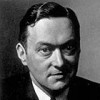
It is all very well to talk about being the captain of your soul. It is hard, and only a few heroes, saints, and geniuses have been the captains of their souls for any extended period of their lives. Most men, after a little freedom, have preferred authority with the consoling assurances and the economy of effort it brings.
Walter Lippmann (1889–1974) American journalist and author
A Preface to Morals, ch. 1, sec. 3 (1929)
(Source)
I understand there’s a guy inside me who wants to lay in bed, smoke weed all day, and watch cartoons and old movies. My whole life is a series of stratagems to avoid, and outwit, that guy.
Anthony Bourdain (1956–2018) American chef, author, travel documentarian
(Attributed)

One strain in Protestant thinking has always looked to economic life not just for its efficacy in producing goods and services but as a vast apparatus of moral discipline, of rewards for virtue and industry and punishments for vice and indolence.
Richard Hofstadter (1916–1970) American historian and intellectual
“Pseudo-Conservatism Revisited — 1965,” sec. 3 (1965)
(Source)
On the other hand, we denounce with righteous indignation and dislike men who are so beguiled and demoralized by the charms of pleasure of the moment, so blinded by desire, that they cannot foresee the pain and trouble that are bound to ensue; and equal blame belongs to those who fail in their duty through weakness of will, which is the same as saying through shrinking from toil and pain. These cases are perfectly simple and easy to distinguish. In a free hour, when our power of choice is untrammeled and when nothing prevents our being able to do what we like best, every pleasure is to be welcomed and every pain avoided. But in certain circumstances and owing to the claims of duty or the obligations of business it will frequently occur that pleasures have to be repudiated and annoyances accepted. The wise man therefore always holds in these matters to this principle of selection: he rejects pleasures to secure other greater pleasures, or else he endures pains to avoid worse pains.
[At vero eos et accusamus et iusto odio dignissimos ducimus, qui blanditiis praesentium voluptatum deleniti atque corrupti, quos dolores et quas molestias excepturi sint, obcaecati cupiditate non provident, similique sunt in culpa, qui officia deserunt mollitia animi, id est laborum et dolorum fuga. et harum quidem rerum facilis est et expedita distinctio. nam libero tempore, cum soluta nobis est eligendi optio, cumque nihil impedit, quo minus id, quod maxime placeat, facere possimus, omnis voluptas assumenda est, omnis dolor repellendus. temporibus autem quibusdam et aut officiis debitis aut rerum necessitatibus saepe eveniet, ut et voluptates repudiandae sint et molestiae non recusandae. itaque earum rerum hic tenetur a sapiente delectus, ut aut reiciendis voluptatibus maiores alias consequatur aut perferendis doloribus asperiores repellat.]
Marcus Tullius Cicero (106–43 BC) Roman orator, statesman, philosopher
De Finibus Bonorum et Malorum [On the Ends of Good and Evil], Book 1, sec. 33 (ch. 10) (44 BC) [tr. Rackham (1914)]
(Source)
Alt. trans.:
- "Then again we criticize and consider wholly deserving of our odium those who are so seduced and corrupted by the blandishments of immediate pleasure that they fail to foresee in their blind passion the pain and harm to come. Equally blameworthy are those who abandon their duties through mental weakness -- that is, through the avoidance of effort and pain. It is quite simple and straightforward to distinguish such cases. In our free time, when our choice is unconstrained and there is nothing to prevent us doing what most pleases us, every pleasure is to be tasted, every pain shunned. But in certain circumstances it will often happen that either the call of duty or some sort of crisis dictates that pleasures are to be repudiated and inconveniences accepted. And so the wise person will uphold the following method of selecting pleasures and pains: pleasures are rejected when this results in other greater pleasures; pains are selected when this avoids worse pains." [On Moral Ends, tr. Woolf (2001)]
- "But in truth we do blame and deem most deserving of righteous hatred the men who, enervated and depraved by the fascination of momentary pleasures, do not foresee the pains and troubles which are sure to befall them, because they are blinded by desire, and in the same error are involved those who prove traitors to their duties through effeminacy of spirit, I mean because they shun exertions and trouble. Now it is easy and and simple to mark the difference between these cases. For at our seasons of ease, when we have untrammelled freedom of choice, and when nothing debars us from the power of following the course that pleases us best, then pleasure is wholly a matter for our selection and pain for our rejection. On certain occasions however either through the inevitable call of duty or through stress of circumstances, it will often come to pass that we must put pleasures from us and must make no protest against annoyance. So in such cases the principle of selection adopted by the wise man is that he should either by refusing cerftain pleasures attain to other and greater pleasures or by enduring pains should ward off pains still more severe." [tr. Reid (1883)]
- "But we do accuse those men, and think them entirely worthy of the greatest hatred, who, being made effeminate and corrupted by the allurements of present pleasure, are so blinded by passion that they do not foresee what pains and annoyances they will hereafter be subject to; and who are equally guilty with those who, through weakness of mind, that is to say, from eagerness to avoid labour and pain, desert their duty. And the distinction between these things is quick and easy. For at a time when we are free, when the option of choice is in our own power, and when there is nothing to prevent our being able to do whatsoever we choose, then every pleasure may be enjoyed, and every pain repelled. But on particular occasions it will often happen, owing whether to the obligations of duty or the necessities of business, that pleasures must be declined and annoyances must not be shirked. Therefore the wise man holds to this principle of choice in those matters, that he rejects some pleasures, so as, by the rejection to obtain others which are greater, and encounters some pains, so as by that means to escape others which are more formidable." [On the Chief Good and Evil, tr. Yongue (1853)]
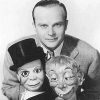
CHARLIE MCCARTHY: Ambition is a poor excuse for not having sense enough to be lazy.
Edgar Bergen (1903–1978) American actor, radio performer, ventriloquist
(Attributed)
I divide my officers into four classes: the clever, the lazy, the industrious, and the stupid. Each officer possesses at least two of these qualities. Those who are clever and industrious are fitted for the highest staff appointments. Use can be made of those who are stupid and lazy. The man who is clever and lazy however is for the very highest command; he has the temperament and nerves to deal with all situations. But whoever is stupid and industrious is a menace and must be removed immediately!
Kurt von Hammerstein-Equord (1878–1943) German general
(Attributed)
Possibly apocryphal. Quoted (unconfirmed) in Horst Poller, Bewältigte Vergangenheit. Das 20. Jahrhundert, erlebt, erlitten, gestaltet [Conquered Past. The 20th century, witnessed, endured, shaped] (2010). Sometimes cited to Truppenführung [Troop Leading] (1933), the German Army Field Manual, but not found there. Also attributed to Erich von Manstein.
It is always a temptation to a rich and lazy nation,
To puff and look important and to say: —
“Though we know we should defeat you, we have not the time to meet you.
We will therefore pay you cash to go away.”
And that is called paying the Dane-geld;
But we’ve proved it again and again,
That if once you have paid him the Dane-geld
You never get rid of the Dane.Rudyard Kipling (1865–1936) English writer
School History, “Dane-Geld (A.D. 980-1016),” st. 3-4 (1911) [with C.R.L. Fletcher]
(Source)
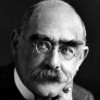
The biggest sin is sitting on your ass.
Florynce "Flo" Kennedy (1916–2000) American lawyer, feminist, civil rights activist
(Attributed)
(Source)
Quoted in Gloria Steinem, "The Verbal Karate of Florynce R. Kennedy, Esq.," Ms. (Mar 1973).
Full quote: "Some people say they won’t work 'inside the system' -- they’re 'waiting for the revolution.' Well, when the ramparts are open, honey, I'll be there. But until then, I'm going to go right on zapping the business and government delinquents, the jockocrats, the fetus fetishists, and all the other niggerizers any way I can. The biggest sin is sitting on your ass."

My ambition is handicapped by my laziness.
Charles Bukowski (1920–1994) German-American author, poet
Factotum, ch. 45 (1975)
Destiny is for people who are too lazy to create alternate timelines.

A person who has not done one half his day’s work by ten o’clock runs a chance of leaving the other half undone.
Emily Brontë (1818–1848) British novelist, poet [pseud. Ellis Bell]
Wuthering Heights, ch. 7 (1847) [Nelly]
(Source)
Laziness is the sin most willingly confessed to, since it implies talents greater than have yet appeared.
James Richardson (b. 1950) American poet
Vectors: Aphorisms and Ten-Second Essays (2001)

Indolence is a delightful but distressing state; we must be doing something to be happy. Action is no less necessary than thought to the instinctive tendencies of the human frame.
William Hazlitt (1778–1830) English writer
Table Talk, “On the Pleasure of Painting” (1821-22)
There is an old saw in the services: that which is not inspected deteriorates.
Dwight David Eisenhower (1890–1969) American general, US President (1953–61)
News conference (12 May 1954)
The gloomy and the resentful are always found among those who have nothing to do or who do nothing.
Samuel Johnson (1709–1784) English writer, lexicographer, critic
Essay (1759-09-01), The Idler, No. 72
(Source)
For all but one in thousands the goal of their thinking is the point at which they have become tired of thinking.
[Tausenden für einen ist das Ziel ihres Nachdenkens die Stelle, wo sie des Nachdenkens müde geworden.]Gotthold Lessing (1729–1781) German playwright, philosopher, dramaturg, writer
Letter (1771-01-09), to Moses Mendelssohn
(Source)
(Source (German)). Other translations:In a thousand cases to one, the goal of reflection is set at the point where one gets tired of reflection.
(Source)For the vast majority of men, the object of their reflection lies at the point where they become tired of reflecting.
(Source)
There is a fire-fly in the southern clime
Which shineth only when upon the wing;
So it is with the mind: when once we rest,
We darken.Philip James Bailey (1816–1902) English poet, lawyer
Festus, Sc. “A Village Feast – Evening” [Festus] (1839)
(Source)
Usually paraphrased (earliest source (1872)):The firefly only shines when on the wing.
So is it with the mind -- when once we rest
We darken.
“Now … if you trust in yourself …”
“Yes?”
“… and believe in your dreams …”
“Yes?”
“… and follow your star …” Miss Tick went on.
“Yes?”
“… you’ll still be beaten by people who spent their time working hard and learning things and weren’t so lazy.”Terry Pratchett (1948–2015) English author
Discworld No. 30, The Wee Free Men (2003)
To be idle and to be poor have always been reproaches, and therefore every man endeavours with his utmost care to hide his poverty from others, and his idleness from himself.
Samuel Johnson (1709–1784) English writer, lexicographer, critic
Essay (1758-08-05), The Idler, No. 17
(Source)
That the greatest of evils is idleness, that the poor are the victims, not of circumstances, but of their own “idle, irregular, and wicked courses,” that the truest charity is not to enervate them by relief, but so to reform their characters that relief may be unnecessary — such doctrines turned severity from a sin into a duty, and froze the impulse of natural pity with an assurance that, if indulged, it would perpetuate the suffering which it sought to allay.
R. H. Tawney (1880–1962) English writer, economist, historian, social critic [Richard Henry Tawney]
Religion and the Rise of Capitalism, ch. 4, sec. 4 (1926)
(Source)
A Life of Leisure and a Life of Laziness are two things.
Thomas Fuller (1654–1734) English physician, preacher, aphorist, writer
Gnomologia: Adages and Proverbs (compiler), # 240 (1732)
(Source)
Trusting to luck is only another name for trusting to lazyness.
Josh Billings (1818–1885) American humorist, aphorist [pseud. of Henry Wheeler Shaw]
Everybody’s Friend, Or; Josh Billing’s Encyclopedia and Proverbial Philosophy of Wit and Humor, ch. 131 “Affurisms: Plum Pits (1)” (1874)
(Source)
Sloth (like Rust) consumes faster than Labour wears: the used Key is always bright.
Benjamin Franklin (1706–1790) American statesman, scientist, philosopher, aphorist
Poor Richard (1744 ed.)
(Source)
Unless we can extensively program our behavior, we waste tremendous amounts of information-processing capacity on trivia. This is why we form habits. Watch a committee break for lunch and then return to the same room: almost invariably its members seek out the same seats they occupied earlier. … Choosing the same seat spares us the need to survey and evaluate other possibilities.
Alvin Toffler (1928–2016) American writer and futurist
Future Shock, ch. 16 (1970)
Human nature is above all things — lazy.
Harriet Beecher Stowe (1811–1896) American author
Household Papers and Stories, ch. 6 (1864)
Laziness: the habit of resting before fatigue sets in.
Jules Renard (1864–1910) French writer
Journal (May 1906) [tr. Bogan & Roget (1964)]
Also attributed to Mortimer Caplin.
Other translations: "Laziness is nothing more than the habit of resting before you get tired."
There are two main human sins from which all the others derive: impatience and indolence. It was because of impatience that they were expelled from Paradise; it is because of indolence that they do not return. Yet perhaps there is only one major sin: impatience. Because of impatience they were expelled, because of impatience they do not return.
[Es gibt zwei menschliche Hauptsünden, aus welchen sich alle andern ableiten: Ungeduld und Lässigkeit. Wegen der Ungeduld sind sie aus dem Paradiese vertrieben worden, wegen der Lässigkeit kehren sie nicht zurück. Vielleicht aber gibt es nur eine Hauptsünde: die Ungeduld. Wegen der Ungeduld sind sie vertrieben worden, wegen der Ungeduld kehren sie nicht zurück.]
Franz Kafka (1883–1924) Czech-Austrian Jewish writer
Notebook, Aphorism # 3 (1917-10-20) [tr. Kaiser and Wilkins]
In The Blue Octavo Notebooks (1954) and in Dearest Father: Stories and Other Writings (1954); variant translations use "cardinal sins" instead of "main human sins" and "laziness" instead of "indolence", e.g., "There are two cardinal sins from which all others spring: impatience and laziness."
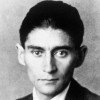
Everyone confesses that exertion which brings out all the powers of body and mind is the best thing for us; but most people do all they can to get rid of it, and as a general rule nobody does much more than circumstances drive them to do.
Harriet Beecher Stowe (1811–1896) American author
“The Lady Who Does Her Own Work,” Atlantic Monthly (1864)
As a confirmed melancholic, I can testify that the best and maybe only antidote for melancholia is action. However, like most melancholics, I suffer also from sloth.
Edward Abbey (1927–1989) American anarchist, writer, environmentalist
A Voice Crying in the Wilderness, ch. 4, “Life and Death and All That” (1989)
(Source)
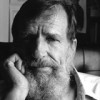
Aim at perfection in everything, though in most things it is unattainable; however, they who aim at it, and persevere, will come much nearer it than those whose laziness and despondency make them give it up as unattainable.
Lord Chesterfield (1694–1773) English statesman, wit [Philip Dormer Stanhope]
Letter to his son, #226 (24 May 1750)
(Source)
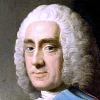
It is the common fate of the indolent to see their rights become a prey to the active. The condition upon which God hath given liberty to man is eternal vigilance; which condition if he break, servitude is at once the consequence of his crime and the punishment of his guilt.
John Philpot Curran (1750–1817) Irish lawyer and politician
Speech before Privy Council, Dublin (1790-07-10)
(Source)
On the right of election of the Lord Mayor of Dublin. Commonly paraphrases:More discussion (especially regarding attribution to Thomas Jefferson): Eternal vigilance is the price of liberty (Spurious Quotation) | Monticello.
- "Eternal vigilance is the price of liberty."
- "The price of liberty is eternal vigilance."