The worth of the ideal must be largely determined by the success with which it can in practice be realized. We should abhor the so-called “practical” men whose practicality assumes the shape of that peculiar baseness which finds its expression in disbelief in morality and decency, in disregard of high standards of living and conduct. Such a creature is the worst enemy of the body politic. But only less desirable as a citizen is his nominal opponent and real ally, the man of fantastic vision who makes the impossible better forever the enemy of the possible good.
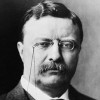
Theodore Roosevelt (1858–1919) American politician, statesman, conservationist, writer; US President (1901–09)
Speech (1910-04-23), “Citizenship in a Republic [The Man in the Arena],” Sorbonne, Paris
(Source)
Quotations about:
perfectionist
Note not all quotations have been tagged, so Search may find additional quotes on this topic.
Perfectionist: One who takes infinite pains and gives them to others.
(Other Authors and Sources)
Alan Benner (Attributed)

In the eyes of those lovers of perfection, a work is never finished — a word that for them has no sense — but abandoned; and this abandonment, whether to the flames or to the public (and which is the result of weariness or an obligation to deliver) is a kind of an accident to them, like the breaking off of a reflection, which fatigue, irritation, or something similar has made worthless.
[Aux yeux de ces amateurs d’inquiétude et de perfection, un ouvrage n’est jamais achevé, – mot qui pour eux n’a aucun sens, – mais abandonné ; et cet abandon, qui le livre aux flammes ou au public (et qu’il soit l’effet de la lassitude ou de l’obligation de livrer) est une sorte d’accident, comparable à la rupture d’une réflexion, que la fatigue, le fâcheux ou quelque sensation viennent rendre nulle.]
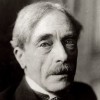
Paul Valéry (1871–1945) French poet, critic, author, polymath
“Au sujet du ‘Cimetière marin,'” La Nouvelle Revue Française (Mar 1933)
(Source)
Often rendered as: "A poem is never finished, only abandoned."
Alt. trans.: "In the eyes of those who anxiously seek perfection, a work is never truly completed -- a word that for them has no sense -- but abandoned; and this abandonment, of the book to the fire or to the public, whether due to weariness or to a need to deliver it for publication, is a sort of accident, comparable to the letting-go of an idea that has become so tiring or annoying that one has lost all interest in it." [tr. Maggio]
In the same vein, in "Recollections," Valery wrote: "A work is never completed except by some accident such as weariness, satisfaction, the need to deliver, or death: for, in relation to who or what is making it, it can only be one stage in a series of inner transformations."
Also attributed to W. H. Auden, Oscar Wilde, and Jean Cocteau, For more discussion of the origin of this phrase, see here.
ALBANY: Striving to better, oft we mar what’s well.
William Shakespeare (1564–1616) English dramatist and poet
King Lear, Act 1, sc. 4, l. 369 (1.4.369) (1606)
(Source)