With waving opalescence in her gown,
Even when she walks along, you think she’s dancing.
Like those long snakes which charmers, while entrancing,
Wave with their wands, in cadence, up and down.[Avec ses vêtements ondoyants et nacrés,
Même quand elle marche on croirait qu’elle danse,
Comme ces longs serpents que les jongleurs sacrés
Au bout de leurs bâtons agitent en cadence.]Charles Baudelaire (1821–1867) French poet, essayist, art critic
Les Fleurs du Mal [The Flowers of Evil], Part 1, #28 “Avec ses vêtements ondoyants et nacrés,” st. 1 (1857) [tr. Campbell (1952)]
(Source)
(Source (French)). Other translations:Robed in a silken robe that shines and shakes,
She seems to dance whenever she treads the sod,
Like the long serpent that a fakir makes
Dance to the waving cadence of a rod.
[tr. Sturm (1905)]With pearly robes that wave within the wind,
Even when she walks, she seems to dance,
Like swaying serpents round those wands entwined
Which fakirs wave in rhythmic elegance.
[tr. Scott (1909)]with all her undulant pearly draperies,
she moves in measures lovelier than a dance,
as in the fakirs' Indian sorceries
tall cobras 'neath a moving rod advance
[tr. Shanks (1931)]With her pearly, undulating dresses,
Even when she's walking, she seems to be dancing
Like those long snakes which the holy fakirs
Set swaying in cadence on the end of their staffs.
[tr. Aggeler (1954)]With her dresses undulating, pearly,
Even walking one would think her dancing,
Like those long serpents which holy charmers
Move in harmony at the tips of their batons.
[tr. Wagner (1974)]Even when she walks she seems to dance!
Her garments writhe and glisten like long snakes
obedient to the rhythm of the wands
by which a fakir wakens them to grace.
[tr. Howard (1982)]With her undulating, iridescent clothes, even when she walks you would think she is dancing, like those long snakes that sacred jugglers shake rhythmically on the ends of their sticks.
[tr. Clark (1995), #17]She doesn’t walk; she rather dances through salons
Within her buoyant gowns of glittering, silver nacre,
Curling like the snake of a turbaned Hindu fakir,
Unrolled from in between his undulant batons.
[tr. Eriksson]Even when she walks one would believe that she dances.
[Common rendering]
Quotations about:
elegance
Note not all quotations have been tagged, so Search may find additional quotes on this topic.

For indeed it is possible that a man may think well, and yet not be able to express his thoughts elegantly; but for any one to publish thoughts which he can neither arrange skillfully nor illustrate so as to entertain his reader, is an unpardonable abuse of letters and retirement: they, therefore, read their books to one another, and no one ever takes them up but those who wish to have the same license for careless writing allowed to themselves.
[Fieri autem potest, ut recte quis sentiat et id quod sentit polite eloqui non possit; sed mandare quemquam litteris cogitationes suas, qui eas nec disponere nec inlustrare possit nec delectatione aliqua allicere lectorem, hominis est intemperanter abutentis et otio et litteris. Itaque suos libros ipsi legunt cum suis, nec quisquam attingit praeter eos, qui eandem licentiam scribendi sibi permitti volunt.]
Marcus Tullius Cicero (106–43 BC) Roman orator, statesman, philosopher
Tusculan Disputations [Tusculanae Disputationes], Book 1, ch. 3 (1.3) / sec. 6 (1.6) (45 BC) [tr. Yonge (1853)]
(Source)
Source (Latin). Other translations:Now it is possible, that one may have true Conceptions, and yet not be able to express his Notions in proper Terms; but for a man to commit his thoughts to writing for the publick, who can neither put them in due method, nor illustrate them with clear Proofs, nor by any delightful Ornaments entertain his Reader, is the part of one that at no rate abuses his own time, and the benefit of Writing. Hereupon they read their own Books among themselves, nor doth any one else meddle with them, but they that expect allowance to write after the same loose fashion.
[tr. Wase (1643)]For indeed it may be that a man may think well, and yet not be able to express his thoughts elegant; but for any one to publish thoughts which he can neither methodize, nor illustrate nor entertain his reader, is an unpardonable abuse of letters and retirement: they, therefore, read their books to one another, which were never taken up by any but those who claimed the same privilege of writing.
[tr. Main (1824)]For it may very well happen, that a man may think rightly, and yet be unable to give utterance to his sentiments with sufficient elegance. But, for any one to consign his thoughts to letters, who can neither arrange them with method, nor make them intelligible by illustration, nor attract the reader with any delight, is the part of a man who rashly abuses both his leisure and literature. And, therefore, let them read their books themselves with their friends; nor let them be touched by any, except by those who are like to need the same indulgence for the same license in writing.
[tr. Otis (1839)]One may think correctly, yet be unable to give elegant expression to what he thinks; and in that case for a man to commit his thoughts to writing when he can neither arrange them, nor illustrate them, nor attract readers by anything that can give them delight, is the part of a man who outrageously abuses both leisure and letters. Such writers read their own books with their intimate friends, nor does any one else touch them except those who crave for themselves like liberty of writing.
[tr. Peabody (1886)]It may happen that a man may think rightly, but cannot express elegantly what he thinks. But that anyone should commit his thoughts to writing who can neither arrange nor explain them nor amuse the reader is the part of a man which unreasonably abuses both his leisure and learning.
[tr. Taylor/Hunt (1916)]Even when they have their arguments in order, they don't express them with any flair. They waste their free time -- and do a discredit to literature -- when they commit thoughts to writing without knowing how to arrange or enliven them or give any pleasure to the reader. And so they just end up reading each other's books! No one pays attention to them except people who hope to qualify for the same writer's license.
[tr. Habinek (1996)]But it can happen that someone may have a good thought which he cannot express well.
[tr. @sentantiq (2016)]It is possible for a man to hold the right views but be incapable of expressing these with any elegance; but that anyone should entrust his thoughts to writing, without the ability to arrange them or to express them with clarity, or to attract the reader by offering him some pleasure, is characteristic of a man who is making an ill-disciplined misuse of both leisure and writing. The result is these fellows read their own books to their own circle and no one touches them except those who wish to be permitted the same freedom in writing.
[tr. Davie (2017)]
To my mind, simplicity is the keynote of all true elegance.

Ugly programs are like ugly suspension bridges: they’re much more liable to collapse than pretty ones, because the way humans (especially engineer-humans) perceive beauty is intimately related to our ability to process and understand complexity.
Eric S. Raymond (b. 1957) American software developer, writer [a.k.a. ESR]
The Cathedral & the Bazaar (1999)

Elegance is the only beauty that never fades.
Audrey Hepburn (1929–1993) Belgian-English actress
(Attributed)

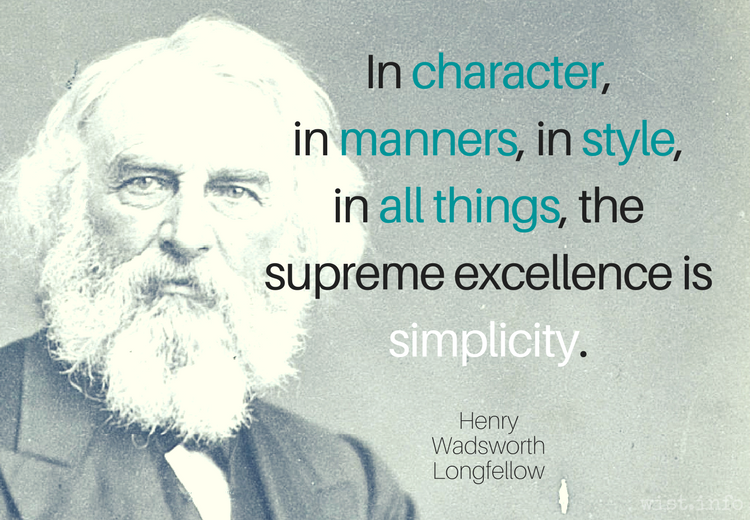
In character, in manners, in style, in all things, the supreme excellence is simplicity.