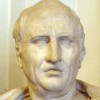
PATIENCE, n. A minor form of despair, disguised as a virtue.
Ambrose Bierce (1842–1914?) American writer and journalist
“Patience,” The Devil’s Dictionary (1911)
(Source)
Originally published in the "Cynic's Word Book" column in the New York American (1904-12-26), and the "Cynic's Dictionary" column in the San Francisco Examiner (1905-01-03).
Quotations about:
fortitude
Note not all quotations have been tagged, so Search may find additional quotes on this topic.

That fortitude which has encountered no dangers, that prudence which has surmounted no difficulties, that integrity which has been attacked by no temptations, can at best be considered but as gold not yet brought to the test, of which therefore the true value cannot be assigned.
Samuel Johnson (1709–1784) English writer, lexicographer, critic
The Rambler, #150 (24 Aug 1751)
(Source)
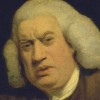
Providence requires three things of us afore it will help us — a stout heart, a strong arm, and a stiff upper lip.
Thomas Chandler Haliburton (1796–1865) Canadian politician, judge, humorist
Sam Slick’s Wise Saws and Modern Instances, Vol. 1 ch. 13 “The House without Hope” (1853)
(Source)
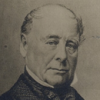
The virtue of Prosperity is temperance; the virtue of Adversity is fortitude.
Francis Bacon (1561–1626) English philosopher, scientist, author, statesman
“Of Adversity,” Essays, No. 5 (1625)
(Source)
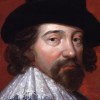
For it is the part of a wise man to resolve beforehand that whatever can happen to a man should be borne calmly if it should befall him. It needs altogether great judgment to provide against such evil happening and no less courage to bear it with fortitude if it should befall.
[Est enim sapientis, quidquid homini accidere possit, id praemeditari ferendum modice esse, si evenerit. Majoris omnino est consilii providere ne quid tale accidat, animi non minoris fortiter ferre si evenerit.]
Marcus Tullius Cicero (106–43 BC) Roman orator, statesman, philosopher
Philippics [Philippicae; Antonian Orations], No. 11, ch. 3 / sec. 7 (11.3/11.7) (43-02 BC) [tr. Ker (1926)]
(Source)
(Source (Latin)). Other translations:It is the mark of a wise man ever to consider, reflect, that whatever may happen to him should be borne with patience. It is, however, a mark of greater wisdom to take every precaution against the occurrence of any thing unpleasant, of a reverse of fortune; but it is an indication of a mind in no wise inferior bravely and manfully to submit to any change of fortune, however unpleasant, untoward, unfavorable, unpropitious.
[Source (1869)]For it is the part of a wise man to resolve beforehand that whatever can happen to a brave man is to be endured with patience if it should happen. It is indeed a proof of altogether greater wisdom to act with such foresight as to prevent any such thing from happening; but it is a token of no less courage to bear it bravely if it should befall one.
[tr. Yonge (1903)]