The extreme pleasure we take in talking about ourselves should make us afraid that we are not giving the same pleasure to those who listen to us.
[L’extrême plaisir que nous prenons à parler de nous-mêmes nous doit faire craindre de n’en donner guère à ceux qui nous écoutent.]
François VI, duc de La Rochefoucauld (1613–1680) French epigrammatist, memoirist, noble
Réflexions ou sentences et maximes morales [Reflections; or Sentences and Moral Maxims], ¶314 (1665-1678) [tr. Chandler]
(Source)
Present in the 3rd (1671) edition.
(Source (French)). Other translations:The exceeding delight we take in discoursing about our selves, may well make us suspect, that we allow but very little Pleasure, to them that converse with us.
[tr. Stanhope (1694), ¶314]The excessive pleasure we find in talking about ourselves ought to make us apprehensive that it gives but little to our auditors.
[pub. Donaldson (1783), ¶415; ed. Lepoittevin-Lacroix (1797), ¶289]The excessive pleasure we find in talking of ourselves, should make us apprehensive that we afford little to our auditors.
[ed. Carvill (1835), ¶353]The extreme pleasure we take in talking of ourselves should make us fear that we give very little to those who listen to us.
[ed. Gowens (1851), ¶324]The extreme delight we take in talking of ourselves should warn us that it is not shared by those who listen.
[tr. Bund/Friswell (1871), ¶314]The vast pleasure we derive from talking of ourselves should make us suspect that the pleasure of our audience may not be as great.
[tr. Heard (1917), ¶321]The keen pleasure we take in talking about ourselves should warn us not to be chary of giving that pleasure to our listeners.
[tr. Stevens (1939), ¶314]The extreme pleasure we derive from talking about ourselves should warn us that for our audience the pleasure will be almost nil.
[tr. FitzGibbon (1957), ¶314]The vast pleasure we get from talking about ourselves should warn us that we are giving almost no pleasure to those who are listening.
[tr. Kronenberger (1959), ¶314]The extreme enjoyment we find in talking about ourselves should make us fear we are not giving very much to our audience.
[tr. Tancock (1959), ¶314]The extreme pleasure we take in speaking about ourselves, ought to make us fear that we may be giving scarcely any of it to those who hear us.
[tr. Whichello (2016) ¶314]
Quotations about:
talk too much
Note not all quotations have been tagged, so Search may find additional quotes on this topic.

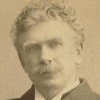
LOQUACITY, n. A disorder which renders the sufferer unable to curb his tongue when you wish to talk.
Ambrose Bierce (1842–1914?) American writer and journalist
“Loquacity,” The Devil’s Dictionary (1911)
(Source)
Originally published in the "Cynic's Dictionary" column in the San Francisco Examiner (1888-04-29).
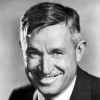
I don’t care how smart you are, if you say something you are liable to say something foolish, and the smarter you are, and the longer you talk, the more foolish things you will say.
Will Rogers (1879–1935) American humorist
Column (1924-08-24), “Weekly Article: About Peggy, the Prince, Candidates, and Coolidge” [No. 89]
(Source)
We seldom regret talking too little, but very often talking too much. This is a well-known maxim which everybody knows and nobody practices.
[L’on se repent rarement de parler peu, très souvent de trop parler: maxime usée et triviale que tout le monde sait, et que tout le monde ne pratique pas.]
Jean de La Bruyère (1645–1696) French essayist, moralist
The Characters [Les Caractères], ch. 11 “Of Mankind [De l’Homme],” § 149 (11.149) (1688) [tr. Van Laun (1885)]
(Source)
(Source (French)). Other translations:We seldom repent talking too little, but very often talking too much, a common and trivial maxim which every body knows, and no body practices.
[Bullord ed. (1696) and Curll ed. (1713)]We seldom repent talking too little, but very often talking too much; a common obsolete Maxim, which every body knows, and no body practices.
[Browne ed. (1752)]We seldom repent of speaking little, and very often of speaking too much; a well-worn and familiar maxim, that everyone knows but that not everyone practices.
[tr. Stewart (1970)]