You can stand with the lash over a man, or you can stand by the prison door, or beneath the gallows, or by the stake, and say to this man: “Recant, or the lash descends, the prison door is locked upon you, the rope is put about your neck, or the torch is given to the fagot.” And so the man recants. Is he convinced? Not at all. Have you produced a new argument? Not the slightest. And yet the ignorant bigots of this world have been trying for thousands of years to rule the minds of men by brute force. They have endeavored to improve the mind by torturing the flesh — to spread religion with the sword and torch. They have tried to convince their brothers by putting their feet in iron boots, by putting fathers, mothers, patriots, philosophers and philanthropists in dungeons. And what has been the result? Are we any nearer thinking alike to-day than we were then?
Robert Green Ingersoll (1833–1899) American lawyer, freethinker, orator
Speech to the Jury, Trial of C. B. Reynolds for Blasphemy, Morristown, New Jersey (May 1887)
(Source)
Quotations about:
coersion
Note not all quotations have been tagged, so Search may find additional quotes on this topic.
To aim to convert a man by miracles is a profanation of the soul.
Ralph Waldo Emerson (1803–1882) American essayist, lecturer, poet
“The Divinity School Address” (1838)
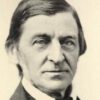
Unwilling executants do not make for good execution.
B. H. Liddell Hart (1895–1970) English soldier, military historian (Basil Henry Liddell Hart)
The German Generals Talk, ch. 4 (1948)
Let them hate me, so long as they fear me.
[Óderint, dum métuant.]
Accius (170-c. 86 BC) Roman tragic poet, literary scholar [Lucius Accius, Lucius Attius]
Atreus (fragment 168) [tr. Kline (2010)]
(Source)
A fragment from Accius' work, known only by its quotation by others. The phrase was often used by classical writers as a hallmark of a tyrannical ruler. This includes:(Source (Latin)). Other translations (from the above works):
- Cicero, Pro Sestio, 48/102 (where he regrets that Accius had "used words for evil-minded men to lay hold of").
- Cicero, Philippics 1.14
- Cicero, De Officiis, 1.28/97.
- Seneca the Younger, De Ira, 1.20.4 (referring to the line as "dread and abominable").
- Seneca the Younger, De Clementia, 1.12.
- Suetonius, Life of Caligula, 30.1 (noting that the emperor liked to quote it).
- Suetonius, Life of Tiberius, 59 (quoting Caligula, and contrasting to Tiberius use of the similar Oderint dum probent ("Let them hate me so long as they approve [of my deeds]").
Ev'n let them hate me, whilst they dread me too.
[tr. Cockman (1699)]Let them hate me, provided they fear me.
[tr. McCartney (1798)]Let them hate me, so they fear me.
[tr. Edmonds (1865)]I scorn their hatred, if they do but fear me.
[tr. Thomson (1883)]No matter how they hate me while they fear me.
[tr. Peabody (1883)]Let them hate, provided they fear me!
[tr. Hickie (1888)]Let them hate me, as long as they fear.
[tr. Yonge (1891)]Let them hate, so long as they fear.
[tr. Gardiner (1899)]Let them hate me, provided they fear me.
[tr. Stewart (1900)]Why, let them hate me, if they fear me too!
[tr. Stewart (1900)]What care I though all men should hate my name,
So long as fear accompanies their hate?
[tr. Yonge (1903)]Let them hate provided that they fear.
[ed. Harbottle (1906); tr. Cooper (1995)]Let them hate me, so they but fear me.
[tr. Rolfe (Loeb) (1913)]Let them hate, if only they fear.
[tr. Miller (1913), Basore (1928)]Let them hate, so but they fear.
[tr. Gardner (Loeb) (1958)]Let them hate me, as long as they fear me.
[tr. @aleator (2010)]They can hate as long as they are in fear.
[tr. Edinger (1974)]Let them hate, so long as they fear.
[tr. Kaster]Let them hate me, so long as they fear me.
[Source]