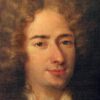
But what puzzles and disgusts the Utopians even more is the idiotic way some people have of practically worshipping a rich man, not because they owe him money or are otherwise in his power, but simply because he’s rich — although they know perfectly well that he’s far too mean to let a single penny come their way, so long as he’s alive to stop it.
[Caeterum multo magis eorum mirantur, ac detestantur insaniam qui diuitibus illis, quibus neque debent quicquam, neque sunt obnoxij, nullo alio respectu, quam quod diuites sunt, honores tantum non diuinos impendunt, idque cum eos tam sordidos atque auaros cognoscunt, ut habeant certo certius ex tanto nummorum cumulo, uiuentibus illis ne unum quidem nummulum unquam ad se uenturum.]
Thomas More (1478–1535) English lawyer, social philosopher, statesman, humanist, Christian martyr
Utopia, Book 2, ch. 6 “Of the Travelling of the Utopians” (1518 ed.) [tr. Turner (1965)]
(Source)
On the incomprehensible (to the Utopians) behavior in other countries regarding money and the wealthy. Turner used the same translation for his 2003 ed.
(Source (Latin)). Other translations:But they muche more marvell at and detest the madnes of them, whyche to those riche men, in whose debte and daunger they be not, do give almost divine honoures, for none other consideration, but bicause they be riche: and yet knowing them to bee suche nigeshe penny fathers, that they be sure as longe as they live, not the worthe of one farthinge of that heape of gold shall come to them.
[tr. Robynson (1551)]But they do much more admire and detest their folly, who when they see a rich man tho' they neither owe him any thing, nor are in any sort obnoxious to him, yet merely because he is rich, they give him little less than divine honours; even tho' they know him to be so covetous and base minded, that notwithstanding all his wealth, he will not part with one farthing of it to them as long as he lives.
[tr. Burnet (1684)]But they much more wonder at and detest the folly of those, who, when they see a rich man, though they owe him nothing, and are not in the least dependent on his bounty, are ready to pay him divine honours because he is rich; even though they know him at the same time to be so covetous and mean-spirited, that notwithstanding all his wealth, he will not part with one farthing of it to them as long as he liveth.
[tr. Cayley (1808)]But they much more admire and detest the folly of those who, when they see a rich man, though they neither owe him anything, nor are in any sort dependent on his bounty, yet, merely because he is rich, give him little less than divine honours, even though they know him to be so covetous and base-minded that, notwithstanding all his wealth, he will not part with one farthing of it to them as long as he lives!
[tr. Burnet/Morley (1901)]But they much more marvel at and detest the madness of them which to those rich men, in whose debt and danger they be not, do give almost divine honours, for none other consideration, but because they be rich: and yet knowing them to be such niggardly penny-fathers, that they be sure as long as they live, not the worth of one farthing of that heap of gold shall come to them.
[tr. Robinson (1909 ed)]But much more do they wonder at and abominate the madness of those, who pay almost divine honours to those rich men, to whom they neither owe anything, nor are beholden in any other respect than that they are rich; and yet they know them to be so mean and miserly that they are as sure as they can be, that of all that pile of cash, so long as the rich men live, not a penny piece will ever come their way.
[tr. Richards (1923)]But much more do they wonder at and abominate the madness of persons who pay almost divine honors to the rich, to whom they neither owe anything nor are obligated in any other respect than that they are rich. Yet they know them to be so mean and miserly that they are more than sure that of all that great pile of cash, as long as the rich men live, not a single penny will ever come their way.
[tr. Richards/Surtz (1964)]Even more than this, the Utopians are appalled at those people who practically worship a rich man, though they neither owe him anything, nor are obligated to him in any way. What impresses them is simply that the man is rich. Yet all the while they know he is so mean and grasping that as long as he lives not a single penny out of that great mound of money will ever come their way.
[tr. Adams (1992 ed.)]But they much more wonder at and detest the folly of those who, when they see a rich man, though they neither owe him anything, nor are in any sort dependent on his bounty, yet, merely because he is rich, give him little less than divine honors, even though they know him to be so covetous and base-minded that, notwithstanding all his wealth, he will not part with one farthing of it to them as long as he lives!
[tr. Open Utopia (Duncombe) (2012)]And why, above all, are people so damnably insane as to revere a rich man almost like a god when they owe him neither money nor anything else? Yet they know the rich chap to be so unscrupulous and grasping that, for surer than sure, they'll never see a single penny from all the money he's amassed for as long as he lives.
[tr. Clarke (2017)]
Quotations about:
truckling
Note not all quotations have been tagged, so Search may find additional quotes on this topic.

One form of servility consists in a slavish attitude — of the kind incompatible with self-respecting manliness — toward any person who is powerful by reason of his office or position. Servility may be shown by a public servant toward the profiteering head of a large corporation, or toward the anti-American head of a big labor organization. It may also be shown in peculiarly noxious and un-American form by confounding the President or any other official with the country and shrieking “stand by the President” without regard to whether, by so acting, we do or do not stand by the country.
Theodore Roosevelt (1858–1919) American politician, statesman, conservationist, writer; US President (1901–09)
Essay (1918-05), “Lincoln and Free Speech,” Metropolitan Magazine, Vol. 47, No. 6
(Source)
On censorship actions by the Wilson Administration taken against critics of its handling of war efforts.
Reprinted in Appendix C of his The Great Adventure (1918), and as ch. 7 of that book in Vol. 21 of The Works of Theodore Roosevelt (1925), The Great Adventure
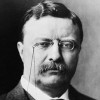
A slave has but one master; an ambitious man has as many masters as there are people who may be useful in bettering his position.
[L’esclave n’a qu’un maître; l’ambitieux en a autant qu’il y a de gens utiles à sa fortune.]
Jean de La Bruyère (1645–1696) French essayist, moralist
The Characters [Les Caractères], ch. 8 “Of the Court [De la Cour],” § 70 (8.70) (1688) [tr. Van Laun (1885)]
(Source)
(Source (French)). Other translations:A Slave has but one Master, an ambitious Man a great many, all those who are useful to him in making his fortune.
[Bullord ed. (1696)]A Slave has but one Master; an ambitious Man has as many as there are People useful to him in making his Fortune.
[Curll ed. (1713)]A purchased Slave has but one Master: An ambitious Man must be a Slave to all who may conduce to his Aggrandizement.
[Browne ed. (1752)]A slave has only one master; an ambitious man is enslaved to all those who may help to further his advancement.
[tr. Stewart (1970)]