

APOLLO: If she dies old, the burial will be richer.
DEATH: Phoebus, that argument favours the rich.
APOLLO: What! Are you witty unawares?
DEATH: The rich would gladly pay to die old.[ἈΠΌΛΛΩΝ: κἂν γραῦς ὄληται, πλουσίως ταφήσεται.
ΘΆΝΑΤΟΣ: πρὸς τῶν ἐχόντων, Φοῖβε, τὸν νόμον τίθης.
ἈΠΌΛΛΩΝ: πῶς εἶπας; ἀλλ᾽ ἦ καὶ σοφὸς λέληθας ὤν;
ΘΆΝΑΤΟΣ: ὠνοῖντ᾽ ἂν οἷς πάρεστι γηραιοὶ θανεῖν.]Euripides (485?-406? BC) Greek tragic dramatist
Alcestis [Ἄλκηστις ], l. 56ff (438 BC) [tr. Aldington (1930)]
(Source)
Apollo, trying to persuade Death to not yet take the young bride Alcestis, the only one willing to die in place of her husband Admetus.
(Source (Greek)). Other translations:APOLLO: More sumptuous obsequies await her age.
ORCUS: This were a law in favour of the rich.
APOLLO: What secret meaning hath thy wisdom here?
ORCUS: They with their wealth would purchase to die old.
[tr. Potter (1781)]APOLLO: But in mature old age if she expire,
She will be buried sumptuously.
DEATH:The law
Thou hast propos'd, O Phœbus, tends to serve
The rich, and them alone.
APOLLO:What mean these words?
Are you grown wise? I knew not this before.
DEATH: They who had any wealth might buy me off
Till the grow old.
[tr. Wodhull (1782)]APOLLO: And if she die old, she will be sumptuously intombed.
DEATH: Thou layest down the law, Phœbus, in favor of the rich.
APOLLO: How sayest thou? what? hast thou been clever without my perceiving it?
DEATH: Those who have means would purchase to die old.
[tr. Buckley (1858)]PHŒBOS: If old she died, the Fun'ral Pomp would richer be!
THANATOS: For wealthy Mortals, Phœbus, lay'st thou down the law!
PHŒBOS: What say'st? A Sophist art? Has't hid the fact from me?
THANATOS: (laughing) So, all rich folks may buy the right of dying old!
[tr. HBL (1884)]APOLLO:But if age
Come on her ere she die, her funeral rites
Will be the richer.
DEATH:Phœbus, what thou say'st
Is a law for the rich.
APOLLO:How say'st thou? Art
Thou witty inadvertently?
DEATH:The rich
Would buy the privilege of dying old.
[tr. Cudworth (1888)]APOLLO. Should she die old, a sumptuous funeral will she have.
DEATH. Phœbus, the law thou layest down is all in favour of the rich.
APOLLO. What mean'st thou? art so wise, and I never knew it?
DEATH. Those who have wealth would buy the chance of their dying old.
[tr. Coleridge (1891)]APOLLO: Think — royal obsequies if old she die!
DEATH: Lo, Phœbus making laws to shield the rich!
APOLLO: How say'st thou? — thou a sophist unawares!
DEATH: Would wealth not buy the boon of dying old?
[tr. Way (1894)]APOLLO: But aged wives receive more pomp at death.
DEATH: Thou suitest my Laws, O Phoebus, to the rich.
APOLLO: Old Death is shrewder than I thought he was!
DEATH: The rich would buy the chance of dying old.
[tr. Beloit College (1908)]APOLLO: Old, with great riches they will bury her.
THANATOS: Fie on thee, fie! Thou rich-man’s lawgiver!
APOLLO: How? Is there wit in Death, who seemed so blind?
THANATOS: The rich would buy long life for all their kind.
[tr. Murray (1915)]APOLLO: Let her die old, and her funeral will bring you riches.
DEATH: I leave you the riches, Apollo. You know what they are worth.
Your rich men
Can pay you well to buy them away from Death.
APOLLO: Who would ever have said Death had such wit!
[tr. Fitts/Fitzgerald (1936)]APOLLO: If she dies old, she will be richly buried.
DEATH: Phoebus, your law may favour wealth; not mine.
You'ld sell long life to the rich.
APOLLO:Do you say so?
Your keen wit has gone long unrecognized.
[tr. Vellacott (1953)]APOLLO: And yet if she dies old, she will receive a rich burial.
DEATH: The law you are trying to establish, Phoebus, is to the advantage of the rich.
APOLLO: What do you mean? Can I have failed to appreciate what a thinker you are?
DEATH: Those with means could buy death at an advanced age.
[tr. Kovacs (1994)]APOLLO: Even if it is an old woman who dies, her funeral will be costly.
DEATH: Why, Phoebus, it's for the benefit of the rich, the law you advocate!
APOLLO: What do you mean? Have I underestimated your intelligence?
DEATH: Those with the means would pay for the privilege of dying old.
[tr. Davie (1996)]APOLLO: If she dies as an old woman, she will be buried more lavishly.
DEATH: You set up a law weighted toward "the haves," Phoibos!
APOLLO: What did you say? I never noticed that you were so clever before.
DEATH: Those who could afford it would pay to die old.
[tr. Rabinowitz (1999)]APOLLO: Still, the older she dies the more wealth she’ll take down there with her on her burial day.
THANATOS: Apollo, you’re trying to set an unfair precedent here! It’s a law that will favour the rich!
APOLLO: O, I can see you’re a deep thinker, Thanatos! A true philosopher.
THANATOS: Can’t you see? Anyone with money would try and buy long life! All the poor would die young.
[tr. Theodoridis (2008)]APOLLO: And yet if she dies in old age, she will have a rich funeral.
THANATOS: Your law favors the haves over the have nots, Phoebus.
APOLLO: What do you mean? Have you become a sophist and not told anybody?
THANATOS: Those who could afford it would buy a ripe old age.
[tr. Luschnig / Luschnig (2019)]
Quotations about:
funeral
Note not all quotations have been tagged, so Search may find additional quotes on this topic.
When thou dost hear a toul or knell,
Then think upon thy passing-bel.James Howell (c. 1594–1666) Welsh historian, writer, aphorist
Paroimiographia [Παροιμιογραφία]: Proverbs, or, Old Sayed Sawes & Adages, “English Proverbs” (1659) [compiler]
(Source)

The solemn ritual continued. The pastor gave his final blessing. The coffin was lowered into the grave and earth cast on it; the most final sound in the world, Phryne thought, clods thudding hollowly on the lid.
Kerry Greenwood (b. 1954) Australian author and lawyer
Phryne Fisher, Book 11, Away with the Fairies, ch. 18 (2001)
(Source)

JEFF: You’re not ready for the Giggle Loop. […] Basically, it’s like a feedback loop. You’re somewhere quiet. There’s people. It’s a — it’s a solemn occasion. A wedding. No — it’s a minute’s silence for someone who’s died. […] Minute’s silence ticking away. Tick. Tick. Tick. The Giggle Loop begins. Suddenly, out of nowhere, this thought comes into your head: the worst thing I could possibly do during a minute’s silence is laugh. (Overturns an empty beer glass) And as soon as you think that, you almost do laugh, automatic reaction. But you don’t, you control yourself. You’re fine. Whoo — but then you think how terrible it would have been if you’d laughed out loud in the middle of a minute’s silence. And so you nearly do it again, only this time it’s a bigger laugh. (Stacks a beer glass on top of the first one) And then you think how awful this bigger laugh would have been. And so you nearly laugh again, only this time it’s a very big laugh. (Stacks another glass) It’s an enormous laugh! Let this bastard out, and you get whiplash! (Stacks another glass) Suddenly, you’re in the middle of this completely silent room (Stacks another glass) and your shoulders are going like you’re drilling the road! And what do you think of this situation? Oh, dear Christ, you think it’s funny!

Across wide lands, across a wider sea,
To this sad service. Brother, am I bourn
To pay thee death’s last tribute and to mourn
By thy dead dust that cannot answer me.
This, this alone is left — ah, can it be
Thy living self blind chance from me has torn.
That cruel death has left me thus forlorn.
And thou so loved, dear Brother, lost to me?
Still, must I bring, as men have done for years,
These last despairing rites, this solemn vow.
Here offered with a love too deep to tell,
And consecrated with a brother’s tears.
Accept them, Brother all is done — and now
Forever hail, forever fare thee well.[Multas per gentes et multa per aequora vectus
Advenio has miseras, frater, ad inferias,
Ut te postremo donarem munere mortis
Et mutam nequiquam alloquerer cinerem.
Quandoquidem fortuna mihi tete abstulit ipsum,
Heu miser indigne frater adempte mihi,
Nunc tamen interea haec prisco quae more parentum
Tradita sunt tristi munere ad inferias,
Accipe fraterno multum manantia fletu,
Atque in perpetuum, frater, ave atque vale.]Catullus (c. 84 BC – c. 54 BC) Latin poet [Gaius Valerius Catullus]
Carmina # 101 “At His Brother’s Grave” [tr. Stewart (1915)]
(Source)
This is one of several poems he wrote about his beloved brother, written while journeying home from Bithynia after serving under C. Memmius Gemellus, praetor of that province. Catullus stopped on the way in the Troad, at the grave of his brother, who had recently drowned.
The poem is in elegiac couplets, usually reserved for romantic poems.
The phrase "ave atque vale" ("hail and farewell") is one of the most famous from Catullus.(Source (Latin)). Other translations:Thro' various realms, o'er various seas I come,
To see that each due sacrifice be paid,
To bring my last sad off'ring to thy tomb,
And thy mute dust invoke, fraternal shad!
Yes, hapless brother! since the hand of fate
Hath snatch'd thee ever from my longing sight;
As us'd our ancestors, in solemn state
I'll bring each mystic gift, each fun'ral rite:
With many a tear I will the ground bedew --
Spirit of him I lov'd, those tears receive!
Spirit of him I valued most, adieu!
Adieu to him who sleeps in yonder grave!
[tr. Nott (1795), # 96]Brother, I come o'er many seas and lands
To the sad rite which pious love ordains,
To pay thee the last gift that death demands;
And oft, though vain, invoke thy mute remains:
Since death has ravish'd half myself in thee,
Oh wretched brother, sadly torn from me!
And now ere fate our souls shall re-unite,
To give me back all it hath snatch'd away,
Receive the gifts, our fathers' ancient rite
To shades departed still was wont to pay;
Gifts wet with tears of heartfelt grief that tell,
And ever, brother, bless thee, and farewell!
[tr. Lamb (1821)]O'er many a sea, o'er many a stranger land,
I bring this tribute to thy lonely tomb,
My brother! and beside the narrow room,
That holds thy silent ashes weeping stand.
Vainly I call to thee. Who can command
An answer forth from Orcus' dreary gloom?
Oh, brother, brother, life lost all its bloom,
When thou wert snatch'd from me with pitiless hand!
A day will come, when we shall meet once more!
Meanwhile, these gifts, which to the honour'd grave
Of those they loved in life our sires of yore
With pious hand and reverential gave,
Accept! Gifts moisten'd with a brother's tears!
And now, farewell, and rest thee from all fears !
[tr. T. Martin (1861)]Brother! o'er many lands and oceans borne,
I reach thy grave, death's last sad rite to pay;
To call thy silent dust in vain, and mourn,
Since ruthless fate has hurried thee away:
Woe 's me! yet now upon thy tomb I lay,
All soak'd with tears for thee, thee loved so well,
What gifts our fathers gave the honour' d clay
Of valued friends; take them, my grief they tell:
And now, for ever hail! for ever fare-thee-well!
[tr. Cranstoun (1867)]Borne over many a land and many a sea,
Brother! I reach thy gloom-wrapt grave to pay
The last sad office thou may'st claim from me,
And all in vain address thy silent clay:
For thou art gone -- fell fate that from me tore
Thee, thee, my brother! ah, too cruel thought!
I'll call thee, but I'll never hear thee more
Recount the deeds thy valiant arm hath wrought.
And I shall never see thy face again,
Dearer than life; yet in my heart alway
Assuredly shall fond affection reign,
And aye with grief's wan hues I'll tinge my lay:
Yea, even as the Daulian bird her song
Outpours in accents sweetly-dolorous,
When o'er the branch-gloom'd river, all night long,
She wails the fate of perish'd Itylus.
Yet now what gifts our sires in ancient years
Paid those with whom in life they loved to dwell,
Accept: -- all streaming with thy brother's tears;
And, brother! hail for aye! for aye farewell!
[tr. Cranstoun (1867), "from the text of Schwabe"]Borne o'er many a land, o'er many a level of ocean,
Here to the grave I come, brother, of holy repose,
Sadly the last poor gifts, death's simple duty, to bring thee;
Unto the silent dust vainly to murmur a cry.
Since thy form deep-shrouded an evil destiny taketh
From me, O hapless ghost, brother, O heavily ta'en,
Yet this bounty the while, these gifts ancestral of usance
Homely, the sad slight store piety grants to the tomb;
Drench'd in a brother's tears, and weeping freshly, receive them;
Yea, take, brother, a long Ave, a timeless adieu.
[tr. Ellis (1871)]Through many a land, o'er many a sea I come,
To sacrifice, dear brother, at thy tomb;
With these last rites to drop the unheeded tear,
And call that name thou canst no longer hear.
By oh ! my brother, since by fate's decree,
Alas ! too early, thou wast torn from me.
Accept this offering to thy honoured shade,
By custom sanctioned -- by affection paid:
And while these frequent tears my sorrow tell.
Take, dearest brother, this my last farewell.
[tr. Bliss (1872)]Through many lands and over many seas
I come, my Brother, to thine obsequies,
To pay thee the last honours that remain,
And call upon thy voiceless dust, in vain.
Since cruel fate has robbed me even of thee,
Unhappy Brother, snatched away from me,
Now none the less the gifts our fathers gave,
The melancholy honours of the grave,
Wet with my tears I bring to thee, and say
Farewell! farewell! for ever and a day.
[tr. Murray (1891)]Faring thro' many a folk and plowing many a sea-plain
These sad funeral-rites (Brother!) to deal thee I come,
So wi' the latest boons to the dead bestowed I may gift thee,
And I may vainly address ashes that answer have none,
Sithence of thee, very thee, to deprive me Fortune behested,
Woe for thee, Brother forlore! Cruelly severed fro' me.
...
Yet in the meanwhile now what olden usage of forbears
Brings as the boons that befit mournfullest funeral rites,
Thine be these gifts which flow with tear-flood shed by thy brother,
And, for ever and aye (Brother!) all hail and farewell.
[tr. Burton (1893)]Through many nations and through many seas borne, I come, brother, for these sad funeral rites, that I may give the last gifts to the dead, and may vainly speak to your silent ashes, since fortune has taken yourself away from me. Ah, poor brother, undeservedly snatched from me. But now receive these gifts, which have been handed down in the ancient manner of ancestors, the sad gifts to the grave, drenched with a brother's tears, and for ever, brother, hail and farewell.
[tr. Smithers (1894)]By ways remote and distant waters sped,
Brother, to thy sad grave-side am I come,
That I may give the last gifts to the dead,
And vainly parley with thine ashes dumb:
Since she who now bestows and now denies
Hath ta'en thee, hapless brother, from mine eyes.
But lo! these gifts, the heirlooms of past years,
Are made sad things to grace thy coffin shell;
Take them, all drenched with a brother's tears,
And, brother, for all time, hail and farewell!
[tr. Beardsley (1896)]Homewards, a traveller, from many lands returning,
I greet thee, brother, only at thy grave.
To thy dumb ashes telling o'er, in accents burning,
Those rites, 'tis said, departed spirits crave.
All that I can -- with tears -- the words our fathers taught us --
Which borne afar, like sound of sea-rocked bell.
Perchance may reach thee on those sad and lonely waters,
Longed for, though late -- a brother's last farewell.
[tr. Harman (1897)]Wandering through many countries and over many seas I come, my brother, to these sorrowful obsequies, to present you with the last guerdon of death, and speak, though in vain, to your silent ashes, since fortune has taken your own self away from me -- alas, my brother, so cruelly torn from me! Yet now meanwhile take these offerings, which by the custom of our fathers have been handed down -- a sorrowful tribute -- for a funeral sacrifice; take them, wet with many tears of a brother, and for ever, my brother, hail and farewell!
[tr. Warre Cornish (1904); 1913 Loeb edition the same]Borne over many lands and many seas, I come, O my brother, to the sad spot where you repose; that I may render to you the last sad rites of the dead, and call, although in vain, to your dumb ashes. Since fate has snatched your dear presence from my eyes, alas, O my brother, so cruelly taken from me, yet receive these last sad rites, that are according to the pious usages of our forefathers and are washed with a brother's many tears, and now for ever, O my brother, hail and farewell!
[tr. Stuttaford (1912)]Travelled o'er many a land and o'er the seas
Hither I come to thy sad obsequies,
To pay thee, brother mine, death's farewell due,
And vainly bid thy silent dust adieu.
Since fate has torn thy living self away,
(Woe, brother, snatched from me, alack aday!)
Take, as our fathers used, till better things,
From me these sad time-honoured offerings
Wet with a brother's tears. And so, for aye,
I greet thee, brother, and I bid good-bye.
[tr. Symons-Jeune (1923)]By many lands and over many a wave
I come, my brother, to your piteous grave,
To bring you the last offering in death
And o'er dumb dust expend an idle breath.
Yet take these gifts, brought as our fathers bade
For sorrow's tribute to the passing shade;
A brother's tears have wet them o'er and o'er;
And so, my brother, hail, and farewell evermore!
[tr. Marris (1924)]From land to land, o'er many waters borne,
Brother, I come to these thy rites forlorn,
The latest gift, the due of death, to pay,
The fruitless word to silent dust to say.
Since death has reft thy living self from me,
Poor brother, stolen away so cruelly,
Yet this the while, which ancient use decrees
Sad ritual of our sires for obsequies,
Take, streaming with a brother's tears that tell
Of a last greeting, brother, a last farewell.
[tr. MacNaghten (1925)]O'er many a land, o'er many waters led,
Brother, my path to thy sad tomb is made,
That I may give the last gifts to the dead
And vainly parley with thy silent shade;
Since the blind goddess to the realm of night
Hath stol'n thee, hapless brother, from my sight.
So now these gifts, by custom of past years,
I bring as offerings to thy funeral cell;
Take them, all moistened with a brother's tears,
And brother, for all time, hail and farewell.
[tr. Wright (1926)]Dear brother, I have come these many miles, through strange lands to this Eastern Continent
to see your grave, a poor sad monument of what you were, 0 brother.
And I have come too late; you cannot hear me; alone now I must speak
to these few ashes that were once your body and expect no answer.
I shall perform an ancient ritual over your remains, weeping,
(this plate of lentils for dead men to feast upon, wet with my tears)
O brother, here's my greeting: here's my hand forever welcoming you
and I forever saying: good-bye, good-bye.
[tr. Gregory (1931)]Driven across many nations, across many oceans,
I am here, my brother, for this final parting,
to offer at last those gifts which the dead are given
and to speak in vain to your unspeaking ashes,
since bitter fortune forbids you to hear me or answer,
O my wretched brother, so abruptly taken!
But now I must celebrate grief with funeral tributes
offered the dead in the ancient way of the fathers;
accept these presents, wet with my brotherly tears, and
now & forever, my brother, hail & farewell.
[tr. C. Martin (1979)]Carried over many seas, and through many nations,
brother, I come to these sad funeral rites,
to grant you the last gifts to the dead,
and speak in vain to your mute ashes.
Seeing that fate has stolen from me your very self.
Ah alas, my brother, taken shamefully from me,
yet, by the ancient custom of our parents,
receive these sad gifts, offerings to the dead,
soaked deeply with a brother’s tears,
and for eternity, brother: ‘Hail and Farewell!’
[tr. Kline (2001)]A journey across many seas and through many nations
has brought me here, brother, for these poor obsequies,
to let me address, all in vain, your silent ashes,
and render you the last service for the dead,
since fortune, alas, has bereft me of your person,
my poor brother, so unjustly taken from me.
Still, here now I offer those gifts which by ancestral custom
are presented, sad offerings, at such obsequies:
accept them, soaked as they are with a brother’s weeping,
and, brother, forever now hail and farewell.
[tr. Green (2005)]Carried through many nations and many seas,
I arrive, Brother, at these miserable funeral rites,
So that I might bestow you with the final gift of death
And might speak in vain to the silent ash.
Since Fortune has stolen you yourself from me,
Alas, wretched brother stolen undeservedly from me,
Meanwhile, however, receive now these flowing with much
Brotherly weeping, these which in the ancient custom
Of our parents were handed down as a sad gift for funeral rites,
And forever, Brother, hail and farewell.
[tr. Wikibooks (2017); Wikisource (2021)]Drawn across many nations and seas
I come to your pitiful resting place, brother
To present you with a final gift at death
And to try to pointlessly comfort mute ash --
because chance has stolen you away from me.
My sad brother, unfairly taken from me.
For now, accept this, the ancient custom of our ancestors
Handed down as the sad gift for the grave,
Given with a flowing flood of fraternal tears
And forever, my brother, hail and farewell.
[tr. Grenadier (2021)]Through many nations and across many seas
I’ve come, my brother, for these sad burial rites --
To pay you the final tribute owed the dead,
And to speak, in vain, with your speechless ashes,
Since fortune has snatched you -- you! -- away from me.
Oh! My poor brother, cruelly taken from me!
Still, there’s the matter of the burial rites,
Preserved in antique customs of our line
And passed on in the melancholic tribute:
Receive them, though quite wet with fraternal tears.
And now, for all time, my brother,
I salute you and say goodbye.
[tr. Benn (2021)]
Why is it that we rejoice at a birth and grieve at a funeral? It is because we are not the person involved.
Mark Twain (1835–1910) American writer [pseud. of Samuel Clemens]
The Tragedy of Pudd’nhead Wilson, ch. 9 epigraph “Pudd’nhead Wilson’s Calendar” (1894)
(Source)
I can’t think of a more wonderful thanksgiving for the life I have had than that everyone should be jolly at my funeral.
Lord Mountbatten (1900–1979) British statesman and naval officer (Louis Francis Albert Victor Nicholas Mountbatten, 1st Earl Mountbatten of Burma, b. Prince Louis of Battenberg)
(Attributed)
(Source)
Quoted in Richard Hough, Mountbatten (1980).
Let the sweet Muses lead me to their soft retreats, their living fountains, and melodious groves, where I may dwell remote from care, master of myself … let me no more be seen in the wrangling forum, a pale and odious candidate for precarious fame … let me live free from solicitude … and when nature shall give the signal to retire may I possess no more than I may bequeath to whom I will. At my funeral let no token of sorrow be seen, no pompous mockery of woe. Crown me with chaplets; strew flowers on my grave, and let my friends erect no vain memorial to tell where my remains are lodged.
Tacitus (c.56-c.120) Roman historian, orator, politician [Publius or Gaius Cornelius Tacitus]
“A Dialogue on Oratory,” sec. 13, Dialogus, Agricola, Germania
In The Works of Tacitus, Oxford trans., rev., vol. 2, (1854). The above is the version read at the funeral for Justice Hugo Black. The printed version differs in reading, at the start, "Me let the sweet Muses lead," and in using "anxious" for "odious."
Alt trans. (Peterson (1914)): "As for myself, may the 'sweet Muses,' as Virgil says, bear me away to their holy places where sacred streams do flow, beyond the reach of anxiety and care, and free from the obligation of performing each day some task that goes against the grain. May I no longer have anything to do with the mad racket and the hazards of the forum, or tremble as I try a fall with white-faced Fame. I do not want to be roused from sleep by the clatter of morning callers or by some breathless messenger from the palace; I do not care, in drawing my will, to give a money-pledge for its safe execution through anxiety as to what is to happen afterwards; I wish for no larger estate than I can leave to the heir of my own free choice. Some day or other the last hour will strike also for me, and my prayer is that my effigy may be set up beside my grave, not grim and scowling, but all smiles and garlands, and that no one shall seek to honour my memory either by a motion in the senate or by a petition to the Emperor."
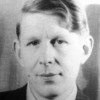
He was my North, my South, my East and West,
My working week and my Sunday rest,
My noon, my midnight, my talk, my song;
I thought that love would last forever: I was wrong.W. H. Auden (1907–1973) Anglo-American poet [Wystan Hugh Auden]
“Stop All the Clocks [Funeral Blues],” st. 3 (1936)
(Source)
This stanza is not in the original version of the poem, for the verse play The Ascent of F6 (1936) (with Christopher Isherwood).
Instead, it appears in the revised cabaret song that Auden wrote in 1937-1938. It is this latter version, less tied to the play, that is commonly collected, and that gained popularity when recited in the film Four Weddings and a Funeral (1994).
There are ghosts after all, then; death is not the ending:
the soul, like smoke, escapes from the funeral flame.[Sunt aliquid Manes: letum non omnia finit,
Luridaque evictos effugit umbra rogos.]Propertius (50–16 BC) Roman elegiac poet [Sextus Propertius]
Elegies, Book 4, Elegy 7, l. 1ff (4.7.1-2) [tr. Carrier (1963)]
(Source)
(Source (Latin)). Other translations:The Manes are no dream; death closes not
Our all of being, and the wan-visaged shade
Escapes unscathed from the funeral fires.
[tr. Martin (1870)]Yes; there are ghosts: death ends not all, I ween.
The lurid shade escapes the pile's rent thrall.
[tr. Cranstoun (1875)]So there are spirits, then, death ends not all
But each wan ghost escapes the fiery pall.
[tr. Moore (1870)]There are, then, such things as spirits: death does not finish everything, and the lurid shade overcomes and escapes the funeral pile
[tr. Gantillon (1884)]The dead have being: death is not the term of everything, and the lurid shadow escapes from the defeated faggot.
[tr. Phillimore (1906)]The Shades are no fable: death is not the end of all, and the pale ghost escapes the vanquished pyre.
[tr. Butler (Loeb) (1912)]There is something beyond the grave; death does not end all,
and the pale ghost escapes from the vanquished pyre.
[E.g. (1934)]Ghosts are realities; death not the end of all:
The wan shadow defeats the funeral pyre
And evades its fires.
[tr. Musker (1972)]A ghost is someone: death has left a hole
For the lead-coloured soul to beat the fire
[tr. Lowell (1974)]The souls of the dead are something: in death everything does not cease:
the pale shade escapes the pyre.
[tr. Batiushkov (1977)]So ghosts do exist: death is not the end of all, and a pale shade vanquishes and escapes the pyre.
[tr. Goold (Loeb) (1990)]A ghost is something. Death does not close all.
A pale shade escapes, defeating the pyre.
[tr. Lee (1992)]There are Spirits, of a kind: death does not end it all, and the pale ghost escapes the ruined pyre.
[tr. Kline (2008)]The Shades exist, and death not wholly bounds our life:
a sallow ghost escapes the pyre.
[tr. Holcombe (2009)]There are such things as ghosts -- death does not put an end to everything, and a pallid shade escapes the defeated pyres.
(Source)There are ghosts: death does not end everything,
and the pale shade escapes the conquered pyre.
I didn’t attend the funeral, but I sent a nice letter saying I approved of it.
Mark Twain (1835–1910) American writer [pseud. of Samuel Clemens]
(Misattributed)
This appears to have originally been based on a comment by lawyer and jurist Ebenezer Rockwood Hoar in 1884 regarding the death of abolitionist figure Wendell Phillips. In retelling it has been attributed to (and targeted at) a variety of people. It was not attached to Twain until 1938, and the connection was widely popularized by a reference from columnist Walter Winchell (1946), and by Hal Holbrook's one-man show, Mark Twain Tonight (1954).
For more discussion of this quotation's origins, see Quote Origin: I Did Not Attend the Funeral, But I Sent a Nice Letter Saying I Approved of It – Quote Investigator®.