JASON: I go — a father once; now childless.
MEDEA: You grieve too soon. Old age is coming.[ἸΆΣΩΝ: στείχω, δισσῶν γ᾽ ἄμορος τέκνων.
ΜΉΔΕΙΑ: οὔπω θρηνεῖς: μένε καὶ γῆρας.]Euripides (485?-406? BC) Greek tragic dramatist
Medea [Μήδεια], l. 1395ff (431 BC) [tr. Vellacott (1963)]
(Source)
(Source (Greek)). Other translations:JASON: Bereft of both my Sons, I thither go.
MEDEA: Not yet enough lament'st thou: to encrease
Thy sorrows, may'st thou live till thou art old!
[tr. Wodhull (1782)]JASON: I go deprived, alas, of both my sons.
MEDEA: This grief be thine, e'en to thy latest age.
[tr. Potter (1814)]JASON: I go. Yea, of both my children bereft.
MEDEA: Thy wail is yet nothing. Wait and grow old.
[tr. Webster (1868)]JASON: I go, bereft of both my sons.
MEDEA: Thy grief is yet to come; wait till old age is with thee too.
[tr. Coleridge (1891)]JASON: I go, even deprived of both my children.
MEDEA: Thou dost not yet mourn enough: stay and grow old.
[tr. Buckley (1892)]JASON: I go, a father forlorn of the two sons reft from his home!
MEDEA: Not yet dost thou truly mourn: abide till thine old age come.
[tr. Way (Loeb) (1894)]JASON: Childless, I go, to weep and weep.
MEDEA: Not yet! Age cometh and long years.
[tr. Murray (1906)]JASON: I go, with two children to mourn for.
MEDEA: Not yet do you feel it. Wait for the future.
[tr. Warner (1944)]JASON: I am going, deprived of my two children.
MEDEA: Save your dirges. Wait for old age.
[tr. Podlecki (1989)]JASON: Yes — bereft of my two sons — I go.
MEDEA: Your mourning has yet to begin. Wait until old age.
[tr. Kovacs (Perseus)]JASON: Yes — bereft of my two sons — I go.
MEDEA: Your mourning has yet to begin. Wait until you are old!
[tr. Kovacs (Loeb) (1994)]JASON: I go, bereft of my two children.
MEDEA: You do not know lamentation yet; wait until you are old.
[tr. Davie (1996)]JASON: I am going!
I’m going without my children.
MEDEA: You’re still not grieving as you should. Wait till old age comes to you.
[tr. Theodoridis (2004)]JASON: I am going, denied rights to my two children.
MEDEA: Do not mourn yet. Wait for old age.
[tr. Luschnig (2007)]JASON:I’ll go.
I’ve lost both my sons.
MEDEA:Your grief’s not yet begun.
Wait until you’re old.
[tr. Johnston (2008)]JASON: I go, deprived of my children.
MEDEA: You are not really mourning yet; wait for old age.
[tr. Ewans (2022)]JASON: I go, bereft of both my sons.
MEDEA: Your grief is yet to come; wait till old age comes upon you.
[tr. Coleridge / Ceragioli / Nagy / Hour25]
Quotations about:
mourning
Note not all quotations have been tagged, so Search may find additional quotes on this topic.
FOOL: Good madonna, why mourn’st thou?
OLIVIA: Good Fool, for my brother’s death.
FOOL: I think his soul is in hell, madonna.
OLIVIA: I know his soul is in heaven, Fool.
FOOL: The more fool, madonna, to mourn for your brother’s soul, being in heaven. Take away the fool, gentlemen.
William Shakespeare (1564–1616) English dramatist and poet
Twelfth Night, Act 1, sc. 5, l. 64ff (1.5 64-70) (1601)
(Source)

TOBY: I am sure care’s an enemy to life.
William Shakespeare (1564–1616) English dramatist and poet
Twelfth Night, Act 1, sc. 3, l. 2ff (1.3.2-3) (1601)
(Source)
Your death and my death are mainly of importance to ourselves. The black plumes will be stripped off our hearses within the hour; tears will dry, hurt hearts close again, our graves grow level with the church-yard, and although we are away, the world wags on. It does not miss us; and those who are near us, when the first strangeness of vacancy wears off, will not miss us much either.
Alexander Smith (1830–1867) Scottish poet
Essay (1863), “Of Death and the Fear of Dying”, Dreamthorp
(Source)

MALCOLM: Be comforted.
Let’s make us med’cines of our great revenge,
To cure this deadly grief.MACDUFF: He has no children. All my pretty ones?
Did you say “all”? O hell-kite! All?
What, all my pretty chickens and their dam
At one fell swoop?MALCOLM: Dispute it like a man.
MACDUFF: I shall do so,
But I must also feel it as a man.William Shakespeare (1564–1616) English dramatist and poet
Macbeth, Act 4, sc. 3, l. 252ff (4.3.252-261) (1606)
(Source)
Macduff, learning his family and household have been killed on Macbeth's orders.
KING RICHARD: You may my glories and my state depose
But not my griefs; still am I king of those.William Shakespeare (1564–1616) English dramatist and poet
Richard II, Act 4, sc. 1, l. 201ff (4.1.201-202) (1595)
(Source)
When Bolingbroke questions Richard's willingness to abdicate while grieving over the loss.
And what are you that, missing you,
I should be kept awake
As many nights as there are days
With weeping for your sake?Edna St. Vincent Millay (1892–1950) American poet
Poem (1921-10-31), “The Philosopher,” st. 1, Ainslee’s Magazine, Vol. 48, No. 3
(Source)
First collected in A Few Figs from Thistles (1922).

I am not resigned to the shutting away of loving hearts in the hard ground.
So it is, and so it will be, for so it has been, time out of mind.
Into the darkness they go, the wise and the lovely. Crowned
With lilies and with laurel they go; but I am not resigned.
No one dies but some one is glad of it.
Letitia Elizabeth Landon (1802–1838) English poet and novelist [a/k/a L.E.L.]
Lady Anne Granard, ch. 1 (1842)
(Source)
Opening words.

Grief often inspires other odd emotions, and pettiness — the jealous assertion of one’s own claims as a mourner — is one of the commonest.

“Why linger here, my soul?
The torments you will have to suffer here
Upon this earth which even now you hate,
Weigh heavily upon my fearful mind.”
Then calling upon death,
As I would call on lovely, soothing peace,
I say: “Come to me,” with such yearning love
That I am jealous of whoever dies.[«Anima mia, ché non ten vai?
ché li tormenti che tu porterai
nel secol, che t’è già tanto noioso,
mi fan pensoso di paura forte».
Ond’io chiamo la Morte,
come soave e dolce mio riposo;
e dico «Vieni a me» con tanto amore,
che sono astioso di chiunque more.]Dante Alighieri (1265–1321) Italian poet
La Vita Nuova [Vita Nova; New Life], ch. 33 (c. 1294, pub. 1576) [tr. Musa (1971)]
(Source)
Mourning the death of Beatrice, from the perspective of one of her kinsmen, his friend.
(Source (Italian)). Other translations:My soul, why longer stay?
For all the torments which thou shalt endure
In this sad world, to thee so painful grown,
Fill me with thought and fear of ills to come,
Wherefore I call for death,
As for a sweet and tranquil state of rest,
And say, O come to me! with love so true,
That I am envious of whoever dies.
[tr. Lyell (1845), Ballata 4]Soul of mine, why stayest thou?
Truly the anguish, Soul, that we must bow
Beneath, until we win out of this life,
Gives me full oft a fear that trembleth:
So that I call on Death
Even as on Sleep one calleth after strife,
Saying, Come unto me. Life showeth grim
And bare; and if one dies, I envy him.
[tr. Rossetti (c. 1847; 1899 ed.)]I cry -- "Oh, why, my soul, no longer stay?"
For lo, the pangs which thou shalt bear alway,
In this vile world, to thee so full of woes.
Fill me with fears, and sadden all my breath!
Then do I call on Death
To lap me in his soft and sweet repose,
And say," Oh, come to me!" with love so deep.
That I, when others die, with envy weep.
[tr. Martin (1862)]I say, “My soul, why goest thou not away,
Seeing the torments thou wilt have to bear,
In this world so molestful now to thee,
Make me foreboding with a heavy fear?”
And therefore upon Death
I call, as to my sweet and soft repose,
And say, “Come thou to me,” with such desire
That I am envious of whoever dies.
[tr. Norton (1867), ch. 34]"My soul, why dost thou not depart from me?
The torments which perforce will burden thee
Here in the world which hateful to thee grows
My mind with fearful apprehension fill."
To Death then I appeal
As to a sweet, benecent repose:
"Come now to me," with so much love I cry
That I am envious of all who die.
[tr. Reynolds (1969), ch. 33]"Why linger here, my soul? The torments you will be subjected to in this life which already you detest, weigh heavily upon my fearful mind."
Then calling upon Death, as I would call on lovely, soothing Peace, I say with yearning love: "Please come to me." And I am jealous of whoever dies.
[tr. Hollander (1997), ch. 33, sec. 5-6]‘My spirit, why do you not go,
since the torments you suffer
in this world, which grows so hateful to you,
bring such great thoughts of dread?’
Then I call on Death,
as to a sweet and gentle refuge:
and I say: ‘Come to me’ with such love,
that I am envious of all who die.
[tr. Kline (2002)]"My soul, why do you not depart?
For the torments you will undergo
in this life, which is already so burdensome to you,
make me think strongly of fear."
So that I call upon Death
as a sweet, gentle repose for me,
and I say "Come to me" so lovingly
that I begrudge whoever dies.
[tr. Appelbaum (2006), ch. 33]I say, “My soul, why don’t you go away?
because the torments that you’ll bear to stay
in this world (for you, already martyrdom),
have made me numb with fear and fretful breath.”
And then I call for Death,
so mild and sweet a moratorium:
“Now, come,” I beg (so amorously said,
that I feel bitter envy for the dead).
[tr. Frisardi (2012), ch. 22]

To mourn is to pity oneself. The dead feel nothing. The mourner does not pity the dead. He pities himself for having lost the living.
Walter M. Miller Jr. (1923–1996) American writer
“The Soul-Empty Ones,” Astounding Science Fiction (1951-08)
(Source)
Across wide lands, across a wider sea,
To this sad service. Brother, am I bourn
To pay thee death’s last tribute and to mourn
By thy dead dust that cannot answer me.
This, this alone is left — ah, can it be
Thy living self blind chance from me has torn.
That cruel death has left me thus forlorn.
And thou so loved, dear Brother, lost to me?
Still, must I bring, as men have done for years,
These last despairing rites, this solemn vow.
Here offered with a love too deep to tell,
And consecrated with a brother’s tears.
Accept them, Brother all is done — and now
Forever hail, forever fare thee well.[Multas per gentes et multa per aequora vectus
Advenio has miseras, frater, ad inferias,
Ut te postremo donarem munere mortis
Et mutam nequiquam alloquerer cinerem.
Quandoquidem fortuna mihi tete abstulit ipsum,
Heu miser indigne frater adempte mihi,
Nunc tamen interea haec prisco quae more parentum
Tradita sunt tristi munere ad inferias,
Accipe fraterno multum manantia fletu,
Atque in perpetuum, frater, ave atque vale.]Catullus (c. 84 BC – c. 54 BC) Latin poet [Gaius Valerius Catullus]
Carmina # 101 “At His Brother’s Grave” [tr. Stewart (1915)]
(Source)
This is one of several poems he wrote about his beloved brother, written while journeying home from Bithynia after serving under C. Memmius Gemellus, praetor of that province. Catullus stopped on the way in the Troad, at the grave of his brother, who had recently drowned.
The poem is in elegiac couplets, usually reserved for romantic poems.
The phrase "ave atque vale" ("hail and farewell") is one of the most famous from Catullus.(Source (Latin)). Other translations:Thro' various realms, o'er various seas I come,
To see that each due sacrifice be paid,
To bring my last sad off'ring to thy tomb,
And thy mute dust invoke, fraternal shad!
Yes, hapless brother! since the hand of fate
Hath snatch'd thee ever from my longing sight;
As us'd our ancestors, in solemn state
I'll bring each mystic gift, each fun'ral rite:
With many a tear I will the ground bedew --
Spirit of him I lov'd, those tears receive!
Spirit of him I valued most, adieu!
Adieu to him who sleeps in yonder grave!
[tr. Nott (1795), # 96]Brother, I come o'er many seas and lands
To the sad rite which pious love ordains,
To pay thee the last gift that death demands;
And oft, though vain, invoke thy mute remains:
Since death has ravish'd half myself in thee,
Oh wretched brother, sadly torn from me!
And now ere fate our souls shall re-unite,
To give me back all it hath snatch'd away,
Receive the gifts, our fathers' ancient rite
To shades departed still was wont to pay;
Gifts wet with tears of heartfelt grief that tell,
And ever, brother, bless thee, and farewell!
[tr. Lamb (1821)]O'er many a sea, o'er many a stranger land,
I bring this tribute to thy lonely tomb,
My brother! and beside the narrow room,
That holds thy silent ashes weeping stand.
Vainly I call to thee. Who can command
An answer forth from Orcus' dreary gloom?
Oh, brother, brother, life lost all its bloom,
When thou wert snatch'd from me with pitiless hand!
A day will come, when we shall meet once more!
Meanwhile, these gifts, which to the honour'd grave
Of those they loved in life our sires of yore
With pious hand and reverential gave,
Accept! Gifts moisten'd with a brother's tears!
And now, farewell, and rest thee from all fears !
[tr. T. Martin (1861)]Brother! o'er many lands and oceans borne,
I reach thy grave, death's last sad rite to pay;
To call thy silent dust in vain, and mourn,
Since ruthless fate has hurried thee away:
Woe 's me! yet now upon thy tomb I lay,
All soak'd with tears for thee, thee loved so well,
What gifts our fathers gave the honour' d clay
Of valued friends; take them, my grief they tell:
And now, for ever hail! for ever fare-thee-well!
[tr. Cranstoun (1867)]Borne over many a land and many a sea,
Brother! I reach thy gloom-wrapt grave to pay
The last sad office thou may'st claim from me,
And all in vain address thy silent clay:
For thou art gone -- fell fate that from me tore
Thee, thee, my brother! ah, too cruel thought!
I'll call thee, but I'll never hear thee more
Recount the deeds thy valiant arm hath wrought.
And I shall never see thy face again,
Dearer than life; yet in my heart alway
Assuredly shall fond affection reign,
And aye with grief's wan hues I'll tinge my lay:
Yea, even as the Daulian bird her song
Outpours in accents sweetly-dolorous,
When o'er the branch-gloom'd river, all night long,
She wails the fate of perish'd Itylus.
Yet now what gifts our sires in ancient years
Paid those with whom in life they loved to dwell,
Accept: -- all streaming with thy brother's tears;
And, brother! hail for aye! for aye farewell!
[tr. Cranstoun (1867), "from the text of Schwabe"]Borne o'er many a land, o'er many a level of ocean,
Here to the grave I come, brother, of holy repose,
Sadly the last poor gifts, death's simple duty, to bring thee;
Unto the silent dust vainly to murmur a cry.
Since thy form deep-shrouded an evil destiny taketh
From me, O hapless ghost, brother, O heavily ta'en,
Yet this bounty the while, these gifts ancestral of usance
Homely, the sad slight store piety grants to the tomb;
Drench'd in a brother's tears, and weeping freshly, receive them;
Yea, take, brother, a long Ave, a timeless adieu.
[tr. Ellis (1871)]Through many a land, o'er many a sea I come,
To sacrifice, dear brother, at thy tomb;
With these last rites to drop the unheeded tear,
And call that name thou canst no longer hear.
By oh ! my brother, since by fate's decree,
Alas ! too early, thou wast torn from me.
Accept this offering to thy honoured shade,
By custom sanctioned -- by affection paid:
And while these frequent tears my sorrow tell.
Take, dearest brother, this my last farewell.
[tr. Bliss (1872)]Through many lands and over many seas
I come, my Brother, to thine obsequies,
To pay thee the last honours that remain,
And call upon thy voiceless dust, in vain.
Since cruel fate has robbed me even of thee,
Unhappy Brother, snatched away from me,
Now none the less the gifts our fathers gave,
The melancholy honours of the grave,
Wet with my tears I bring to thee, and say
Farewell! farewell! for ever and a day.
[tr. Murray (1891)]Faring thro' many a folk and plowing many a sea-plain
These sad funeral-rites (Brother!) to deal thee I come,
So wi' the latest boons to the dead bestowed I may gift thee,
And I may vainly address ashes that answer have none,
Sithence of thee, very thee, to deprive me Fortune behested,
Woe for thee, Brother forlore! Cruelly severed fro' me.
...
Yet in the meanwhile now what olden usage of forbears
Brings as the boons that befit mournfullest funeral rites,
Thine be these gifts which flow with tear-flood shed by thy brother,
And, for ever and aye (Brother!) all hail and farewell.
[tr. Burton (1893)]Through many nations and through many seas borne, I come, brother, for these sad funeral rites, that I may give the last gifts to the dead, and may vainly speak to your silent ashes, since fortune has taken yourself away from me. Ah, poor brother, undeservedly snatched from me. But now receive these gifts, which have been handed down in the ancient manner of ancestors, the sad gifts to the grave, drenched with a brother's tears, and for ever, brother, hail and farewell.
[tr. Smithers (1894)]By ways remote and distant waters sped,
Brother, to thy sad grave-side am I come,
That I may give the last gifts to the dead,
And vainly parley with thine ashes dumb:
Since she who now bestows and now denies
Hath ta'en thee, hapless brother, from mine eyes.
But lo! these gifts, the heirlooms of past years,
Are made sad things to grace thy coffin shell;
Take them, all drenched with a brother's tears,
And, brother, for all time, hail and farewell!
[tr. Beardsley (1896)]Homewards, a traveller, from many lands returning,
I greet thee, brother, only at thy grave.
To thy dumb ashes telling o'er, in accents burning,
Those rites, 'tis said, departed spirits crave.
All that I can -- with tears -- the words our fathers taught us --
Which borne afar, like sound of sea-rocked bell.
Perchance may reach thee on those sad and lonely waters,
Longed for, though late -- a brother's last farewell.
[tr. Harman (1897)]Wandering through many countries and over many seas I come, my brother, to these sorrowful obsequies, to present you with the last guerdon of death, and speak, though in vain, to your silent ashes, since fortune has taken your own self away from me -- alas, my brother, so cruelly torn from me! Yet now meanwhile take these offerings, which by the custom of our fathers have been handed down -- a sorrowful tribute -- for a funeral sacrifice; take them, wet with many tears of a brother, and for ever, my brother, hail and farewell!
[tr. Warre Cornish (1904); 1913 Loeb edition the same]Borne over many lands and many seas, I come, O my brother, to the sad spot where you repose; that I may render to you the last sad rites of the dead, and call, although in vain, to your dumb ashes. Since fate has snatched your dear presence from my eyes, alas, O my brother, so cruelly taken from me, yet receive these last sad rites, that are according to the pious usages of our forefathers and are washed with a brother's many tears, and now for ever, O my brother, hail and farewell!
[tr. Stuttaford (1912)]Travelled o'er many a land and o'er the seas
Hither I come to thy sad obsequies,
To pay thee, brother mine, death's farewell due,
And vainly bid thy silent dust adieu.
Since fate has torn thy living self away,
(Woe, brother, snatched from me, alack aday!)
Take, as our fathers used, till better things,
From me these sad time-honoured offerings
Wet with a brother's tears. And so, for aye,
I greet thee, brother, and I bid good-bye.
[tr. Symons-Jeune (1923)]By many lands and over many a wave
I come, my brother, to your piteous grave,
To bring you the last offering in death
And o'er dumb dust expend an idle breath.
Yet take these gifts, brought as our fathers bade
For sorrow's tribute to the passing shade;
A brother's tears have wet them o'er and o'er;
And so, my brother, hail, and farewell evermore!
[tr. Marris (1924)]From land to land, o'er many waters borne,
Brother, I come to these thy rites forlorn,
The latest gift, the due of death, to pay,
The fruitless word to silent dust to say.
Since death has reft thy living self from me,
Poor brother, stolen away so cruelly,
Yet this the while, which ancient use decrees
Sad ritual of our sires for obsequies,
Take, streaming with a brother's tears that tell
Of a last greeting, brother, a last farewell.
[tr. MacNaghten (1925)]O'er many a land, o'er many waters led,
Brother, my path to thy sad tomb is made,
That I may give the last gifts to the dead
And vainly parley with thy silent shade;
Since the blind goddess to the realm of night
Hath stol'n thee, hapless brother, from my sight.
So now these gifts, by custom of past years,
I bring as offerings to thy funeral cell;
Take them, all moistened with a brother's tears,
And brother, for all time, hail and farewell.
[tr. Wright (1926)]Dear brother, I have come these many miles, through strange lands to this Eastern Continent
to see your grave, a poor sad monument of what you were, 0 brother.
And I have come too late; you cannot hear me; alone now I must speak
to these few ashes that were once your body and expect no answer.
I shall perform an ancient ritual over your remains, weeping,
(this plate of lentils for dead men to feast upon, wet with my tears)
O brother, here's my greeting: here's my hand forever welcoming you
and I forever saying: good-bye, good-bye.
[tr. Gregory (1931)]Driven across many nations, across many oceans,
I am here, my brother, for this final parting,
to offer at last those gifts which the dead are given
and to speak in vain to your unspeaking ashes,
since bitter fortune forbids you to hear me or answer,
O my wretched brother, so abruptly taken!
But now I must celebrate grief with funeral tributes
offered the dead in the ancient way of the fathers;
accept these presents, wet with my brotherly tears, and
now & forever, my brother, hail & farewell.
[tr. C. Martin (1979)]Carried over many seas, and through many nations,
brother, I come to these sad funeral rites,
to grant you the last gifts to the dead,
and speak in vain to your mute ashes.
Seeing that fate has stolen from me your very self.
Ah alas, my brother, taken shamefully from me,
yet, by the ancient custom of our parents,
receive these sad gifts, offerings to the dead,
soaked deeply with a brother’s tears,
and for eternity, brother: ‘Hail and Farewell!’
[tr. Kline (2001)]A journey across many seas and through many nations
has brought me here, brother, for these poor obsequies,
to let me address, all in vain, your silent ashes,
and render you the last service for the dead,
since fortune, alas, has bereft me of your person,
my poor brother, so unjustly taken from me.
Still, here now I offer those gifts which by ancestral custom
are presented, sad offerings, at such obsequies:
accept them, soaked as they are with a brother’s weeping,
and, brother, forever now hail and farewell.
[tr. Green (2005)]Carried through many nations and many seas,
I arrive, Brother, at these miserable funeral rites,
So that I might bestow you with the final gift of death
And might speak in vain to the silent ash.
Since Fortune has stolen you yourself from me,
Alas, wretched brother stolen undeservedly from me,
Meanwhile, however, receive now these flowing with much
Brotherly weeping, these which in the ancient custom
Of our parents were handed down as a sad gift for funeral rites,
And forever, Brother, hail and farewell.
[tr. Wikibooks (2017); Wikisource (2021)]Drawn across many nations and seas
I come to your pitiful resting place, brother
To present you with a final gift at death
And to try to pointlessly comfort mute ash --
because chance has stolen you away from me.
My sad brother, unfairly taken from me.
For now, accept this, the ancient custom of our ancestors
Handed down as the sad gift for the grave,
Given with a flowing flood of fraternal tears
And forever, my brother, hail and farewell.
[tr. Grenadier (2021)]Through many nations and across many seas
I’ve come, my brother, for these sad burial rites --
To pay you the final tribute owed the dead,
And to speak, in vain, with your speechless ashes,
Since fortune has snatched you -- you! -- away from me.
Oh! My poor brother, cruelly taken from me!
Still, there’s the matter of the burial rites,
Preserved in antique customs of our line
And passed on in the melancholic tribute:
Receive them, though quite wet with fraternal tears.
And now, for all time, my brother,
I salute you and say goodbye.
[tr. Benn (2021)]

ELECTRA: Onward, O labouring tread,
As on move the years;
Onward amid thy tears,
O happier dead![ἨΛΈΚΤΡΑ: σύντειν᾽ — ὥρα — ποδὸς ὁρμάν: ὤ,
ἔμβα, ἔμβα κατακλαίουσα:
ἰώ μοί μοι.]Euripides (485?-406? BC) Greek tragic dramatist
Electra [Ἠλέκτρα], l. 112ff, Strophe 1 (c. 420 BC) [tr. Murray (1905)]
(Source)
Early introduction, mourning her situation as exiled child of the dead Agamemnon and her hated mother, Clytemnestra.
(Source (Greek)). Other translations:Haste, for the time admits not of delay.
My gentle comrades hither haste
And shed, O shed the sympathetic tear.
Ah me!
[tr. Wodhull (1809)]Hasten your step, it is time; go onward, onward, weeping! Ah me!
[tr. Coleridge (1891)]Hasten on the course of my foot, O hour; O, go thou on, go on, weeping. Alas! for me, for me.
[tr. Buckley (1892)]Bestir thou, for time presses, thy foot's speed;
Haste onward, weeping bitterly.
I am his child, am Agamemnon's seed, --
Alas for me, for me!
[tr. Way (1896)]Come, girl, move! Move on to the beat of your rushing tears!
[tr. Theodoridis (2006)]You must step quickly now --
it’s time to move -- keep going,
lamenting as you go.
Alas for me! Yes, for me!
[tr. Johnston (2009)]Quicken the move of your foot with song
Walk on, walk on in tears.
Ah, my life.
[tr. @sentantiq (2020)]
If any solace, any joy may fall,
Calvus, to silent sepulchres through tears,
When the lost love regretful we recall
And weep the parted friend of early years,
Then, sure, Quintilia is not wholly sad,
Untimely lost: your love has made her glad.[Si quicquam mutis gratum acceptumve sepulcris
accidere a nostro, Calve, dolore potest,
quo desiderio veteres renovamus amores
atque olim junctas flemus amicitias,
certe non tanto mors immatura dolori est
Quintiliae, quantum gaudet amore tuo.]Catullus (c. 84 BC – c. 54 BC) Latin poet [Gaius Valerius Catullus]
Carmina # 96 [tr. MacNaghten (1925), “On the Death of Quintilia, Wife of Calvus”]
(Source)
(Source (Latin)). Other translations:If ever to the dumb, sepulcrhal urn
The tribute of a tear could grateful prove;
What timne each recollected scene we mourn,
Each deed of ancient friendship, and of love:
Less sure, fond youth, must thy Quintilia grieve
That she by death's cold hand untimely fell;
Than joys her parted spirit to perceive
How much her Calvus lov'd her, and how well!
[tr. Nott (1795), # 91 "To Calvus, on Quintilia]Calvus, if any joy from mortal tears
Can touch the feelings of the silent dead;
When dwells regret on loves of former years,
Or weeps o'er friendships that have long been fled,
Oh! then far less will be Quintilia's woe
At early death and fate's severe decree,
Than the pure pleasure she will feel to know
How well, how truly she was loved by thee!
[tr. Lamb (1821), # 90 "To Calvus, on the Death of Quintilia"]Calvus, if those now silent in the tomb
Can feel the touch of pleasure in our tears,
For those we loved, who perished in their bloom,
And the departed friends of former years;
Oh, then, full surely thy Quinctilia's woe,
For the untimely fate that bade ye part,
Will fade before the bliss she feels ot know,
How every dear she is unto thy heart!
[tr. T. Martin (1861), "To Calvus"]Calvus! if from our grief aught can accrue
The silent dead to solace or to cheer,
When fond regret broods o'er old loves anew,
And o'er lost friendships sheds the bitter tear
Oh ! then her grief at death's untimely blow
To thy Quintilia; far, far less must prove
Than the pure joy her soul must feel, to know
Thy true, unchanging, ever-during love.
[tr. Cranstoun (1867), "To Calvus, on teh Death of Quintilia"]If to the silent dead aught sweet or tender ariseth,
Calvus, of our dim grief's common humanity born;
When to a love long cold some pensive pity recalls us,
When for a friend long lost wakes some unhappy regret;
Not so deeply, be sure, Quintilia's early departing
Grieves her, as in thy love dureth a plenary joy.
[tr. Ellis (1871)]If to the dumb deaf tomb can aught or grateful or pleasing
(Calvus!) ever accrue rising from out of our dule,
Wherewith yearning desire renews our loves in the bygone,
And for long friendships lost many a tear must be shed;
Certès, never so much for doom of premature death-day
Must thy Quintilia mourn as she is joyed by thy love.
[tr. Burton (1893) "To Calvus anent Dead Quintilia"]Calvus, if anything pleasing or welcome from our grief can have an effect on silent graves, then with its longing we renew old loves and weep friendships once lost, surely Quintilia does not mourn her premature death as much as she rejoices in your love.
[tr. Smithers (1894)]If living sorrows any boon
Unto the silent grave can give,
When sad remembrances revive
Old loves and friendships fugitive,
She sorrows less she died so soon
Than joys your love is still alive.
[tr. Symons (c. 1900)]If the silent grave can receive any pleasure, or sweetness at all from our grief, Calvus, the grief and regret with which we renew our old loves, and weep for long lost friendships, surely Quintilia feels less sorrow for her too early death, than pleasure from your love.
[tr. Warre Cornish (1904)]If our grief, Calvus, can give any pleasure or consolation to the buried dead, and the yearning with which we re-enkindle old loves, and weep lost friends; then surely Quintilia; must feel less sorrow for her untimely end than joy in your love
[tr. Stuttaford (1912)]If the silent grave can receive any pleasure, or sweetness at all from our grief, Calvus, the grief and regret with which we make our old loves live again, and weep for long-lost friendships, surely Quintilia feels less sorrow for her too early death, than pleasure from your love.
[tr. Warre Cornish (Loeb) (1913)]If into the silent tomb can steal
Some tenderness, some thought devine,
If aught from this life the dead can feel,
Then, Calvus, be this solace thine.
When we mourn old friends with longing heart;
For dear dead loves in anguish cry,
Oh, there, do they feel the hot tears start,
Touched by a love that cannot die?
If this be, Calvus, thy sweet girl wife.
There in the tomb shall less grief know
For her spring time lost, her broken life,
Than joy in thy love that loved her so.
[tr. Stewart (1915)]If yearning grief can pierce the tomb,
Reach silent souls and cheer their gloom,
When, Calvus, we lost loves regret,
And mourn the dear we ne'er forget,
Quintilia'll cease her death to rue,
For joy she's proved your love so true.
[tr. Symons-Jeune (1923), "To Calvus on Quintilia"]If from our anguish to the voiceless tomb
Some meed of pleasure and of joy may come
When we recall the love we felt of yore
And the dear face whom now we see no more,
Then know thy sorrow gives thy wife beneath
A joy surpassing all the pains of death.
[tr. Wright (1926), "To Calvus on the Death of His Wife Quintilia"]If anything can pierce impenetrable earth and echo in the silence
of the grave, my Calvus, it is our sad memory
of those we love. (Our longing for them makes them bloom again,
quickened with love and friendship,
even though they left us long ago, heavy with tears).
Surely, yur Quintilia now no longer cries against powerful death
(who had taken her away from you too soon and she was gone).
Look, she is radiant, fixed in your mind, happy forever.
[tr. Gregory (1931)]If those in their silent graves can receive any pleasure or comfort at all, Calvus, from our lamenting, from that desire which we rekindle former affections and weep for friendships we long ago surrendered, then surely her premature death brings less grief than joy to Quintilia, whom you continue to cherish.
[tr. C. Martin (1979)]If anything from our grief, can reach beyond
the mute grave, Calvus, and be pleasing and welcome,
grief with which, in longing, we revive our lost loves,
and weep for vanished friendships once known,
surely Quintilia’s not so much sad for her early death,
as joyful for your love.
[tr. Kline (2001), "Beyond The Grave: to Gaius Licinius Calvus"]If anything pleasant or welcome, Calvus, can befall the mute sepulchre in consequence of our grief, from the yearning with which we renew our ancient passions and weep for friendships long since cast away, surely it's not so much grief that's felt by Quintilia at her premature death , as joyfulness in your love.
[tr. Green (2005)]If anything pleasing or acceptable to silent sepulchers
is able to be done by our grief, Calvus,
by this longing we renew old loves
and we lament once sent away friendships.
Certainly a premature death is not of such sadness
to Quintilia, so much as she rejoices in your love.
[tr. Wikisource (2018)]If anything dear and welcome can happen in mute graves
Because of our sadness, Calvus,
Because of that longing by which we renew old loves
And by which we weep for friendships formed long ago,
Surely Quintilia isn’t saddened by her untimely death,
But rather, she’s gladdened by your love.
[tr. Benn (2022)]
Ye Venuses and Cupids mourn,
Ye whom the graces most adorn,
Come, and your tears of sorrow shed:
My Lesbia’s little bird is dead.[Lugete, o Veneres Cupidinesque
et quantum est hominum venustiorum!
passer mortuus est meae puellae,
passer, deliciae meae puellae.]Catullus (c. 84 BC – c. 54 BC) Latin poet [Gaius Valerius Catullus]
Carmina # 3 “Death of the Sparrow,” ll. 1-4 [tr. Bliss (1872)]
(Source)
(Source (Latin)). Other translations:Mourn all ye Loves! ye Graces mourn!
My Lesbia's fav'rite sparrow's gone!
Ye men for wit, for taste, preferr'd,
Lament my girl's departed bird!
[tr. Nott (1795)]Mourn, all ye loves and graces; mourn,
Ye wits, ye gallant, and ye gay;
Death from my fair her bird has torn,
Her much-loved Sparrow's snatch'd away.
[tr. Lamb (1821)]Loves and Graces, mourn with me,
Mourn, fair youths, where'er ye be!
Dead my Lesbia's sparrow is,
Sparrow, that was all her bliss.
[tr. T. Martin (1861)]Ye Graces! mourn, oh mourn!
Mourn, Cupids Venus-born!
And loveliest sons of earth, where'er ye are !
Dead is now my darling's sparrow --
Sparrow of my "winsome marrow,"
Than her very eyes, oh! dearer to her far.
[tr. Cranstoun (1867)]Weep each heavenly Venus, all the Cupids,
Weep all men that have any grace about ye.
Dead the sparrow, in whom my love delighted,
The dear sparrow, in whom my love delighted.
[tr. Ellis (1871)]Weep every Venus, and all Cupids wail,
And men whose gentler spirits still prevail.
Dead is the Sparrow of my girl, the joy,
Sparrow, my sweeting's most delicious toy.
[tr. Burton (1893)]O mourn, you Loves and Cupids, and all men of gracious mind. Dead is the sparrow of my girl, sparrow, darling of my girl.
[tr. Smithers (1894)]Mourn, all ye Loves, ye Loves and Cupids, mourn,
Make moan for heaviness, ye gallants bright,
For Lesbia's bird, my Lesbia weeps forlorn;
He's dead -- poor, pretty bird -- my love's delight!
[tr. Harman (1897)]Mourn, ye Graces and Loves, and all you whom the Graces love. My lady's sparrow is dead, the sparrow my lady's pet.
[tr. Warre Cornish (1904)]Mourn, all ye Graces, mourn, ye Sons of Love, and all whose hearts engender pity. The sparrow of my beloved is no more; that sparrow, the delight of my beloved.
[tr. Stuttaford (1912)]Weep, weep, ye Loves and Cupids all,
And ilka Man o’ decent feelin’:
My lassie’s lost her wee, wee bird,
And that’s a loss, ye’ll ken, past healin’.
[tr. Davies (1912)]Let Venus bow her head in grief,
And tears drown Cupid's eyes in sorrow,
And men of feeling everywhere
Forget to smile -- until tomorrow.
My lady's little bird lies dead,
The bird that was my lady's prize.
[tr. Stewart (1915)]Weep, ye gods of love and pleasure,
Weep, all all ye of finer clay,
Weep, my darling's lost her treasure,
Mourn her sparrow passed away!
[tr. Symons-Jeune (1923)]Mourn Loves and Graces all, and you
Of men the lovelier chosen few.
The sparrow of my love is dead,
The playmate of my love is sped.
[tr. MacNaghten (1925)]Dress now in sorrow, O all
you shades of Venus,
and your little cupids weep.
My girl has lost her darling sparrow.
[tr. Gregory (1931)]Lament, o graces of Venus, and Cupids,
and cry out loud, men beloved by Her graces.
Pass here, it's dead, meant so much to my girl, the
sparrow, the jewel that delighted my girl.
[tr. Zukofsky (1959)]Mourn, oh Cupids and Venuses,
and whatever there is of rather pleasing men:
the sparrow of my girlfriend has died,
the sparrow, delight of my girl.
[tr. Sullvan (1997)]Mourn, O you Loves and Cupids
and such of you as love beauty:
my girl’s sparrow is dead,
sparrow, the girl’s delight.
[tr. Kline (2001)]Mourn, Cupids all, every Venus,
and whatever company still exists of caring people:
Sparrow lies dead, my own true sweegheart's sparrow.
[tr. Green (2005)]Mourn, Oh Venuses and Cupids
And all men of finer feeling
The sparrow of my girl has died,
the sparrow, my lady's pet.
[tr. Wikibooks (2017)]Mourn, O Venuses and Cupids
and however many there are of more charming people:
my girl's sparrow is dead --
the sparrow, delight of my girl.
[tr. Wikisource (2018)]
She weeps not for her sire if none be near,
In company she calls up many a tear.
True mourners would not have their sorrows known,
For grief of heart will choose to weep alone.[Amissum non flet cum sola est Gellia patrem,
Si quis adest, iussae prosiliunt lacrimae.
Non luget quisquis laudari, Gellia, quaerit,
Ille dolet vere, qui sine teste dolet.]Martial (AD c.39-c.103) Spanish Roman poet, satirist, epigrammatist [Marcus Valerius Martialis]
Epigrams [Epigrammata], Book 1, epigram 33 (1.33) (AD 85-86) [tr. Pott & Wright (1921)]
(Source)
"On Gellia." (Source (Latin)). Other translations:Gellia ne'er mourns her father's loss,
When no one's by to see,
but yet her soon commanded tears
Flow in society:
To weep for praise is but a feigned moan;
He grieves most truly, that does grieve alone.
[tr. Fletcher (1656)]When all alone, your tears withstand;
In company, can floods command.
Who mourns for fashion, bids us mark;
Who mourns indeed, mourns in the dark.
[tr. Killigrew (1695)]Gellia alone, alas! can never weep,
Though her fond father perish'd in the deep;
With company the tempest all appears
And beauteous Gellia's e'en dissolved in tears.
Through public grief though Gellia aims at praise,
'Tis private sorrow which must merit raise.
[Gentleman's Magazine (1736)]Her father dead! -- Alone no grief she knows;
Th' obedient tear at every visit flows.
No mourner he, who must with praise be fee'd!
But he, who mourns in secret, mourns indeed.
[tr. Hay (1755), 1.34]Sire-reft, alone, poor Gellia weeps no woe:
In company she bids the torrent flow.
they cannot grieve, who to be seen, can cry:
Theirs is the grief, who without witness sigh.
[tr. Elphinston (1782), Book 6, Part 3, ep. 1]Gellia, when she is alone, does not lament the loss of her father. If any one be present, her bidden tears gush forth. A person does not grieve who seeks for praise; his is real sorrow who grieves without a witness.
[tr. Amos (1858), #95 "Feigned Tears"]Gellia does not mourn for her deceased father, when she is alone; but if any one is present, obedient tears spring forth. He mourns not, Gellia, who seeks to be praised; he is the true mourner, who mourns without a witness.
[tr. Bohn's Classical (1859)]He grieves not much who grieves to merit praise;
His grief is real who grieves in solitude.
[ed. Harbottle (1897)]Gellia weeps not while she is alone for her lost father; is any one be present, her tears leap forth at her bidding. He does not lament who looks, Gellia for praise;' he truly sorrows who sorrows unseen.
[tr. Ker (1919)]Gellia, alone, ne'er weeps her sire at all;
In company the bidden tears down fall.
True grief is not for admiration shown.
He only weeps indeed, who weeps alone.
[tr. Francis & Tatum (1924), #18, 1.32]When alone, Gellia never cries for the father she lost.
If someone is with her, tears well up in her eyes,
as if ordered to fall in. If some one looks for praise,
he is not in mourning, Gellia.
He truly mourns
who mourns
alone.
[tr. Bovie (1970)]In private she mourns not the late-lamented;
If someone's by her tears leap forth on call.
Sorry, my dear, is not so easily rented.
They are true tears that without witness fall.
[tr. Cunningham (1971)]Gellia does not cry for her lost father when she's by herself, but if she has company, out spring the tears to order. Gellia, whoever seeks credit for mourning is no mourner. He truly grieves who grieves without witnesses.
[tr. Shackleton Bailey (1993)]Gellia's mourning for her father?
If by herself she doesn't bother.
But when she sees that company lurks
She opens up the waterworks.
She just wants praise for grief that's shown;
They truly grieve who weep alone.
[tr. Ericsson (1995)]When Janet is sequestered, out of view,
Then never for her father's death she cries.
But let some viewers come, just one or two,
Then tears dramatically flood her eyes.
We know from this how sad in fact she's been:
It is not grief that's only grieved when seen.
[tr. Wills (2007)]Gellia doesn't weep for her dead father
when she's alone, but tears pour on command
if someone comes. Who courts praise isn't mourning --
he truly grieves who grieves with none at hand.
[tr. McLean (2014)]Alone, Gellia never weeps over her father's death;
if someone's there, her tears burst forth at will.
Mourning that looks for praise, Gellia, is not grief:
true sorrow grieves unseen.
[tr. Powell]
And the host laughed and wept, and in the midst of their merriment and tears the clear voice of the minstrel rose like silver and gold, and all men were hushed. And he sang to them, now in the Elven-tongue, now in the speech of the West, until their hearts, wounded with sweet words, overflowed, and their joy was like swords, and they passed in thought out to regions where pain and delight flow together and tears are the very wine of blessedness.
J.R.R. Tolkien (1892–1973) English writer, fabulist, philologist, academic [John Ronald Reuel Tolkien]
The Lord of the Rings, Vol. 3: The Return of the King, Book 6, ch. 4 “The Field of Cormallen” (1955)
(Source)

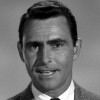
If we are to lend credence to our mourning, there are acknowledgements that must be made now, albeit belatedly. We must act on the altogether proper assumption that Martin Luther King asked for nothing but that which was his due. He demanded no special concessions, no favored leg up the ladder for his people, despite our impatience with his lifelong prodding of our collective conscience. He asked only for equality, and it is that which we denied him.
We must look beyond riots in the streets to the essential righteousness of what he asked of us. To do less would make his dying as senseless as our own living would be inconsequential.
Rod Serling (1924–1975) American screenwriter, playwright, television producer, narrator
Letter to the Editor, Los Angeles Times (8 Apr 1968)
(Source)
Reprinted in Anne Serling, As I Knew Him: My Dad, Rod Serling (2013).
My parents in the underworld! I send
This servant girl — take care and gently tend.
Conduct her past the terrifying shade.
Keep her of circling horrors unafraid,
For she, alas, was only six days shy
Of six years when too soon she came to die.
Protect her as she plays her childhood games,
And lisps, as shyly she was wont, our names.
Earth, sadly mounded on this gravesite new,
Press lightly on her, as she did on you.[Hanc tibi, Fronto pater, genetrix Flaccilla, puellam
Oscula commendo deliciasque meas,
Parvula ne nigras horrescat Erotion umbras
Oraque Tartarei prodigiosa canis.
Impletura fuit sextae modo frigora brumae,
Vixisset totidem ni minus illa dies.
Inter tam veteres ludat lasciva patronos
Et nomen blaeso garriat ore meum.
Mollia non rigidus caespes tegat ossa nec illi,
Terra, gravis fueris: non fuit illa tibi.]Martial (AD c.39-c.103) Spanish Roman poet, satirist, epigrammatist [Marcus Valerius Martialis]
Epigrams [Epigrammata], Book 5, epigram 34 (5.34) (AD 90) [tr. Wills (2007)]
(Source)
Erotion was a slave child in Martial's household, per other epigrams. The identity of Fronto and Flaccilla -- whether they are the names of Martial's parents or Erotion's -- is ambiguous in the Original Latin, and a subject of debate. See also 10.61.
Other translations:Ye parents Fronto and Flaccilla here,
To you I do commend my girl, my dear,
Lest pale Erotion tremble at the shades,
And the foul dog of hell's prodigious heads.
Her age fulfilling just six winters was,
Had she but known so many days to pass.
'Mongst you, old patrons, may she sport and play,
And with her lisping tongue my name oft say.
May the smooth turf her soft bones hide, and be,
O earth, as light to her as she to thee!
[tr. Fletcher (1656)]Fronto, to thee, to thee, Flaccilla mild,
My darling I commend, your lively child.
Oh! may no sable shades make her more pale,
Nor the Tartarean dog the Love assail.
Six times the rig'rous solstice had the run,
Has she survey'd six times another sun.
Mid her old patrons, may the prattler play;
And lisp my name, as in the realms of day.
To her soft bones no turf oppressive be:
O earth lie light on her, who lay so light on thee.
[tr. Elphinston (1782), Book 9, ep. 18]O my father, Fronto! and my mother, Flacilla! I commend to you, in the realm below, this damsel, my delight and the object of my kisses, lest Erotion be terrified at the dark shades, and at the enormous mouth of the dog of Tartarus. She would have completed her sixth winter if she had lived six days longer. May she continue her sportive ways under your reverend patronage, and may she garrulously stammer forth my name! May the turf lie lightly on her delicate bones; you ought not, O earth, to be heavy to her; she was not so to thee!
[tr. Amos (1858) ep. 35]To you, O Fronto my father, and to you, O Flaccilla my mother, I commend this child, the little Erotion, my joy and my delight, that she may not be terrified at the dark shades and at the monstrous mouth of the dog of Tartarus. She would just have passed the cold of a sixth winter, had she lived but six days longer. Between protectors so venerable may she sport and play, and with lisping speech babble my name. Let no rude turf cover her tender bones, and press not heavy on her, O earth; she pressed but lightly on thee.
[tr. Bohn's Classical (1859)]To you -- dun spectres to forefend
And yon Tartarean monster dread --
This little maiden I commend,
Dead parents of my darling dead!
Had only my Erotion's span
While just so many days were told,
Been lengthened out to dwell with man,
She had been then six winters old.
Still sportive may she spend her days,
And lisp my name with prattling tongue;
Nor chide her little wanton ways,
Mid friends so old, and she so young.
Soft be the turf that shrouds her bed,
For delicate and soft was she.
And, Earth, lie lightly o'er her head,
For light the steps she laid on thee.
[tr. Webb (1879)]Mother and sire, to you do I commend
Tiny Erotion, who must now descend,
A child, among the shadows, and appear
Before hell's bandog and hell's gondolier.
Of six hoar winters she had felt the cold,
But lacked six days of being six years old.
Now she must come, all playful, to that place
Where the great ancients sit with reverend face;
Now lisping, as she used, of whence she came,
Perchance she names and stumbles at my name.
O'er these so fragile bones, let there be laid
A plaything for a turf; and for that maid
That ran so lightly footed in her mirth
Upon thy breast -- lie lightly, mother earth!
[tr. Stevenson (1884)]To thee, father Fronto, to thee, mother Flacilla, commend this maid, my sweetheart and my darling, that tiny Erotion may not shudder at the dark shades and the Tartarean hound's stupendous jaws. She would have completed only her sixth cold winter had she not lived as many days too few. Beside protectors so aged let her lightly play, and prattle my name with lisping tongue. And let not hard clods cover her tender bones, nor be though heavy upon her, O earth: she was not so to thee!
[tr. Ker (1919)]Thou Mother dear and thou my Father's shade,
To you I now commit the gentle maid,
Erotion, my little love, my sweet;
Let not her shuddering spirit fear to meet
The ghosts, but soothe her lest she be afraid.
How should a baby heart be undismayed
To pass the lair where Cerberus is laid?
The little six-year maiden gently greet.
Dear reverend spirits, give her kindly aid
And let her play in some Elysian glade,
Lisping my name sometimes -- and, I entreat
Lie on her softly, kind earth; her feet,
Such tiny feet, on thee were lightly laid.
[tr. Pott & Wright (1921)]Flaccilla, Fronto, take her as I write,
My precious darling and my soul's delight,
Let not Erotion fear the shades around
And the fell jaws of the Tartarean hound.
Had she but lived till six more days were told,
She had survived six winters and their cold.
There let her play amidst our fellowship
And lisp my name with dainty stammering lip.
Her gentle head, Earth, with soft mosses dress,
And as her footstep light be thy caress.
[tr. Francis & Tatum (1924), #240]Mother Flaccilla, Fronto sire that's gone,
This darling pet of mine, Erotion,
I pray ye greet, that nor the Land of Shade
Nor Hell-hound's maw shall fright my little maid.
Full six chill winters would the child have seen
Had her life only six days longer been.
Sweet child, with our lost friends to guard thee, play,
And lisp my name in thine own prattling way.
Soft be the turf that shrouds her! Tenderly
Rest on her, earth, for she trod light on thee.
[tr. Duff (1929)]To thee, my father, and to thee, my mother,
I recommend this darling little maid.
Shield her from the dreadful hound of Hades,
Shield her from the dark infernal shades.
She would have known the chill of six cold winters
Had she lived only six more little days.
Amid such old defenders let her frolic
And babble my name as was her childish way.
Lie lightly on her, earth, O lie not heavy
Upon her bones, for she was light on thee.
[tr. Marcellino (1968)]Fronto, father, and mother Flaccilla,
hold my darling Erotion firm in your memory:
Don't let her diminutive soul shiver
at the dusky shades of Hell
or flinch at the monstrous mouth
of the watchdog Tartarus.
Had she lived six days longer,
she would have seen her sixth winter solstice.
She was always happy,
always at ease
in the company of older people.
I hope she will still, down there,
be gaily lisping my name, in her afterlife.
Oh green earth, rest lightly on her! Do not
bear down too hard on her there, who was
never a trouble or burden to you, here.
[tr. Bovie (1970), "Erotion (1)"]To you, my parents, I send on
This little girl Erotion,
The slave I loved, that by your side
Her ghost need not be terrified
Of the pitch darkness underground
Or the great jaws of Hades' hound.
This winter she would have completed
Her sixth year had she not been cheated
By just six days. Lisping my name,
May she continue the sweet game
Of childhood happily down there
In two such good, old spirits' care.
Lie lightly on her, turf and dew;
She put so little weight on you.
[tr. Michie (1972)]To you, the shades of my begetters, Fronto
and Flacilla, where you lie in sweet
decay, I commend with love the body
of my darling child Erotion.
A home-
bred slave yet tender as a golden dormouse,
rarer than the Phoenix, whiter than
an unsmudged lily --
guide her spirit home
so she may look for lights in Tartarus
and miss the snapping jaws of hell-hound
Cerberus. She’d have lived six shivering winters
if she hadn’t died that many days before
the anniversary.
Now let her play
light-heartedly in the ever-darkened house
beside such sure protectors.
May my name
be burbling on her tongue, the childish gift
of sorrow spent on age.
And monumental earth,
draw back eternal weight from her
small bones;
don’t be severe and tread
on her with gravity: she never did on you.
[tr. Porter (1972)]Fronto, Father, Flacilla, Mother, extend
your protection from the Stygian shadows.
The small Erotion (my household Iris)
has changed my house for yours. See that the hell-
hound's horrid jaws don't scare her, who was no
more than six years old (less six days) on the
Winter day she died. She'll play beside you
gossiping about me in child's language.
Weigh lightly on her small bones, gentle earth,
as she, when living, lightly trod on you.
[tr. Whigham (1987)]To you, father Fronto and mother Flaccilla, I commend this girl, my pet and darling. Little Erotion must not be frightened by the dark shades and the monstrous mouths of Tartarus' hound. She was due to complete the chills of a sixth midwinter, no more, if she had not lived that many days too few. Let her now play and frolic with her old patrons and lispingly chatter my name. Not hard be the turf that covers her soft bones, be not heavy upon her, earth; she was not heavy upon you.
[tr. Shackleton Bailey (1993)]To your shades Fronto, and Flaccilla, this child
I commend: she was my sweet and my delight.
Little Erotion shall not fear the darkened shades
nor the vast mouths of the Tartarean hound.
She’d have completed her sixth chill winter,
if she’d not lived a mere six days too few.
Now let her frisk and play among old friends
now let her chatter, and so lisp my name.
And let the soft turf cover her brittle bones:
earth, lie lightly on her: she lay lightly on you.
[tr. Kline (2006)]To you, my parents Fronto and Flaccilla,
I commend this girl, my darling and delight,
Don't let the dark shades and the huge-mouthed hellhound
fill my small Erotion with fright.
She would have known the chill of six midwinters
had she survived by just as many days.
Now let her lisping mouth prattle my name
to her old patrons, and she romps and plays.
Let no hard turf hide her soft bones. Earth, do
not press her harshly; she was light on you.
[tr. McLean (2014)]This girl, father Fronto and mother Flaccilla, I commit to your care, so that little Erotion, my pet and darling, may not tremble at the dark shades and at the monstrous mouths of the hound of Tartarus. She would have just seen out the frosts of her sixth midwinter, had her life not fallen that many days short. I hope she plays and skips now in her former patrons' keeping; I hope her hare-lip mumbles my name. Please let the turf that covers her bones not be hard, and, earth, be not heavy upon her, she was no weight on you.
[tr. Nisbet (2015)]I commend you this slave girl, father Fronto, mother Flaccilla, as she was my delight and the object of my kisses. May little Erotion not fear the dark shades nor the vast mouths of the Tartarean dog. She would have completed her sixth cold winter if she'd not lived as many days too few. Now, let her play amid old friends, let her chatter and lisp my name. May the soft turf cover her brittle bones: earth, lie lightly on her, as she was not heavy on you.
[Source]To you, my departed parents, dear mother and father,
I commend my little lost angel, Erotion, love’s daughter.
She fell a mere six days short of outliving her sixth frigid winter.
Protect her now, I pray, should the chilling dark shades appear;
muzzle hell’s three-headed hound, lest her heart be dismayed!
Lead her to romp in some sunny Elysian glade,
her devoted patrons. Watch her play childish games
as she excitedly babbles and lisps my name.
Let no hard turf smother her softening bones; and do
rest lightly upon her, earth, she was surely no burden to you!
[tr. Burch]
She heard him mutter, “Can you take away this grief?”
“I’m sorry,” she replied. “Everyone asks me. And I would not do so even if I knew how. It belongs to you. Only time and tears take away grief; that is what they are for.”Terry Pratchett (1948–2015) English author
Discworld No. 38, I Shall Wear Midnight (2010)
(Source)
Roland and Tiffany.

To lose a friend, a brother, or a son,
Heaven dooms each mortal, and its will is done:
Awhile they sorrow, then dismiss their care;
Fate gives the wound, and man is born to bear.[μέλλει μέν πού τις καὶ φίλτερον ἄλλον ὀλέσσαι
ἠὲ κασίγνητον ὁμογάστριον ἠὲ καὶ υἱόν:
ἀλλ᾽ ἤτοι κλαύσας καὶ ὀδυράμενος μεθέηκε:
τλητὸν γὰρ Μοῖραι θυμὸν θέσαν ἀνθρώποισιν.]Homer (fl. 7th-8th C. BC) Greek author
The Iliad [Ἰλιάς], Book 24, l. 46ff (24.46) [Apollo] (c. 750 BC) [tr. Pope (1715-20)]
(Source)
Complaining of Achilles excessive grief over Patroclus. Original Greek. Other translations:Other men a greater loss than he
Have undergone, a son, suppose, or brother of one womb;
Yet, after dues of woes and tears, they bury in his tomb
All their deplorings. Fates have giv’n to all that are true men
True manly patience.
[tr. Chapman (1611), l. 50ff]For whosoever hath a loss sustain’d
Still dearer, whether of his brother born
From the same womb, or even of his son,
When he hath once bewail’d him, weeps no more,
For fate itself gives man a patient mind.
[tr. Cowper (1791), l. 59ff]For perhaps some one will lose another more dear, either a brother, or a son; yet does he cease weeping and lamenting, for the Destinies have placed in men an enduring mind.
[tr. Buckley (1860)]A man may lose his best-lov’d friend, a son,
Or his own mother’s son, a brother dear:
He mourns and weeps, but time his grief allays,
For fate to man a patient mind hath giv’n.
[tr. Derby (1864)]It must be that many a man lose even some dearer one than was this, a brother of the same womb born or perchance a son; yet bringeth he his wailing and lamentation to an end, for an enduring soul have the Fates given unto men.
[tr. Leaf/Lang/Myers (1891)]A man may lose one far dearer than Achilles has lost -- a son, it may be, or a brother born from his own mother's womb; yet when he has mourned him and wept over him he will let him bide, for it takes much sorrow to kill a man.
[tr. Butler (1898)]Lo, it may be that a man hath lost one dearer even than was this -- a brother, that the selfsame mother bare, or haply a son; yet verily when he hath wept and wailed for him he maketh an end; for an enduring soul have the Fates given unto men.
[tr. Murray (1924)]For a man must some day lose one who was even closer than this; a brother from the same womb, or a son. And yet he weeps for him, and sorrows for him, and then it is over, for the Destinies put in mortal men the heart of endurance.
[tr. Lattimore (1951)]A sane one may endure an even dearer loss: a blood-brother, a son; and yet, by heaven, having grieved and passed through mourning, he will let it go. The Fates have given patient hearts to men.
[tr. Fitzgerald (1974)]No doubt some mortal has suffered a dearer loss than this,
a brother born in the same womb, or even a son ...
he grieves, he weeps, but then his tears are through.
The Fates have given mortals hearts that can endure.
[tr. Fagles (1990), l. 54ff]There is no doubt that a man may have lost someone even dearer,
either a brother by one same mother or even his own son,
yet once he has lamented and wept, he ceases to mourn him,
since mankind is endowed by the Fates with a heart of endurance.
[tr. Merrill (2007), l. 46ff]

The person who is sick in the body needs a doctor;
someone who is sick in the mind needs a friend
For a well-meaning friend knows how to treat grief.[Τῷ μὲν τὸ σῶμα διατεθειμένῳ κακῶς
χρεία ‘στ’ ἰατροῦ, τῷ δὲ τὴν ψυχὴν φίλου·
λύπην γὰρ εὔνους οἶδε θεραπεύειν φίλος.]Menander (c. 341 - c. 290 BC) Greek comedic dramatist
Fragment 591 K., in Stobaeus, Anthology [tr. @sentantiq]
(Source)
Other translations:
- "For him who is ill at ease in his body there is need of a physician, but need of a friend for him whose soul is ill. For loyal words have the secret of healing grief." [tr. Allinson (1921)]
- "Sick bodies need a doctor, minds a friend; / Kind words have skill the mourner's pain to mend." [tr. Edmonds]
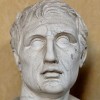
Yes, he thought, between grief and nothing I will take grief.
William Faulkner (1897–1962) American novelist
The Wild Palms [If I Forget Thee, Jerusalem], ch. 9 (1939)
(Source)
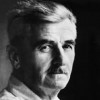
Sorrow makes us all children again, destroys all difference of intellect. The wisest knows nothing.
Ralph Waldo Emerson (1803–1882) American essayist, lecturer, poet
Journal (1842-01-30)
(Source)
Two days after he recorded the death of his son.


He that lacks time to mourn, lacks time to mend.
Eternity mourns that. ‘Tis an ill cure
For life’s worst ills, to have no time to feel them.
Where sorrow’s held intrusive and turned out,
There wisdom will not enter, nor true power,
Nor aught that dignifies humanity.Henry Taylor (1800–1886) English dramatist, poet, bureaucrat, man of letters
Philip Van Artevelde, Part 1, Act 1, sc. 5 (1834)
(Source)

No one ever told me that grief felt so like fear. I am not afraid, but the sensation is like being afraid. The same fluttering in the stomach, the same restlessness, the yawning. I keep on swallowing.
At other times it feels like being mildly drunk, or concussed. There is a sort of invisible blanket between the world and me. I find it hard to take in what anyone says. Or perhaps, hard to want to take it in. It is so uninteresting. Yet I want the others to be about me. I dread the moments when the house is empty. If only they would talk to one another and not to me.C. S. Lewis (1898–1963) English writer, literary scholar, lay theologian [Clive Staples Lewis]
A Grief Observed, ch. 1 (1961)
(Source)
After the death of his wife, Joy Davidman. Opening words.
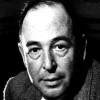
I will never laugh at anyone for grieving over a loved beast. I think God wants us to love Him more, not to love creatures (even animals) less. We love everything in one way too much (i.e., at the expense of our love for Him), but in another way we love everything too little. No person, animal, flower, or even pebble has ever been loved too much — i.e., more than every one of God’s works deserves.
C. S. Lewis (1898–1963) English writer, literary scholar, lay theologian [Clive Staples Lewis]
Letter to Mary Willis Shelburne (18 Aug 1956)
(Source)
“It’s not fair,” Cloud said eventually. “It’s not fair you have to mourn this child.”
Jared gave a small laugh. “We’re in the wrong universe for fair,” he said, simply.
John Scalzi (b. 1969) American writer
The Ghost Brigades (2006)

Sorrow preys upon
Its solitude, and nothing diverts it
From its sad visions of the other world
Than calling it at moments back to this.
The busy have no time for tears.George Gordon, Lord Byron (1788–1824) English poet
The Two Foscari, Act 4, sc. 1 [Loredano] (1821)
(Source)

Excess of grief for the deceased is madness; for it is an injury to the living, and the dead know it not.
Xenophon (c. 431–355 BC) Greek historian and essayist
(Attributed)
(Source)
In Anon. Mental Recreation Or, Select Maxims, Sayings And Observations Of Philosophers (1831).
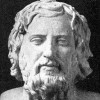
He first deceas’d; She for a little tri’d
To live without him: lik’d it not, and di’d.Henry Wotton (1568–1639) English author, diplomat, politician
“Upon the Death of Sir Albertus Moreton’s Wife” (1651)
(Source)
Recorded in his Reliquiae Wottonianae (1672).

The Bustle in a House
The Morning after Death
Is solemnest of industries
Enacted upon Earth —
The Sweeping up the Heart
And putting Love away
We shall not want to use again
Until Eternity.Emily Dickinson (1830–1886) American poet
“The Bustle in a House” (c. 1866)

Patience is the cure for every sorrow.
Publilius Syrus (d. 42 BC) Assyrian slave, writer, philosopher [less correctly Publius Syrus]
Sententiae [Moral Sayings], # 170 [tr. Lyman (1862)]
I shall change their mourning into gladness, comfort them, give them joy after their troubles.
וְהָפַכְתִּ֨י אֶבְלָ֤ם לְשָׂשׂוֹן֙ וְנִ֣חַמְתִּ֔ים וְשִׂמַּחְתִּ֖ים מִיגוֹנָֽם׃
The Bible (The Old Testament) (14th - 2nd C BC) Judeo-Christian sacred scripture [Tanakh, Hebrew Bible], incl. the Apocrypha (Deuterocanonicals)
Book 24. Jeremiah 31:13 (Jer 31:13) [tr. NJB (1985)]
(Source)
(Source (Hebrew)). Other translations:For I will turn their mourning into joy, and will comfort them, and make them rejoice from their sorrow.
[tr. KJV (1611)]I will comfort them and turn their mourning into joy,
their sorrow into gladness.
[tr. GNT (1976)]I will turn their mourning into joy;
I will comfort them and give them gladness for sorrow.
[tr. NRSV (1989 ed.)]I will turn their mourning to joy,
I will comfort them and cheer them in their grief.
[tr. RJPS (2023 ed.)]

How frighteningly few are the persons whose death would spoil our appetite and make the world seem empty.
Eric Hoffer (1902–1983) American writer, philosopher, longshoreman
“Thoughts of Eric Hoffer,” New York Times Magazine (1971-04-25)
(Source)
I didn’t attend the funeral, but I sent a nice letter saying I approved of it.
Mark Twain (1835–1910) American writer [pseud. of Samuel Clemens]
(Misattributed)
This appears to have originally been based on a comment by lawyer and jurist Ebenezer Rockwood Hoar in 1884 regarding the death of abolitionist figure Wendell Phillips. In retelling it has been attributed to (and targeted at) a variety of people. It was not attached to Twain until 1938, and the connection was widely popularized by a reference from columnist Walter Winchell (1946), and by Hal Holbrook's one-man show, Mark Twain Tonight (1954).
For more discussion of this quotation's origins, see Quote Origin: I Did Not Attend the Funeral, But I Sent a Nice Letter Saying I Approved of It – Quote Investigator®.

Starving the living will not profit the dead.
Rex Stout (1886–1975) American writer
The Black Mountain, ch. 2 [Fritz] (1954)

DUKE: To mourn a mischief that is past and gone
Is the next way to draw new mischief on.William Shakespeare (1564–1616) English dramatist and poet
Othello, Act 1, sc. 3, l. 234ff (1.3.234-235) (1603)
(Source)
MALCOLM: Give sorrow words; the grief that does not speak
Whispers the o’er-fraught heart and bids it break.William Shakespeare (1564–1616) English dramatist and poet
Macbeth, Act 4, sc. 3, l. 246ff (4.3.246-247) (1606)
(Source)
Speaking of Yen Hui, the Master said: “How sad — to watch him forge ahead so resolutely, and never see how far he could go.”
[子謂顏淵曰、惜乎、吾見其進也、未見其止也。]
Confucius (c. 551- c. 479 BC) Chinese philosopher, sage, politician [孔夫子 (Kǒng Fūzǐ, K'ung Fu-tzu, K'ung Fu Tse), 孔子 (Kǒngzǐ, Chungni), 孔丘 (Kǒng Qiū, K'ung Ch'iu)]
The Analects [論語, 论语, Lúnyǔ], Book 9, verse 21 (9.21) (6th C. BC – AD 3rd C.) [tr. Hinton (1998)]
(Source)
Regarding his finest student, who died young. Probable origin of a phrase frequently attributed to Confucius: "It does not matter how slowly you go so long as you do not stop."
Earlier sources use Legge's numbering of 9.20, as noted. (Source (Chinese)). Other translations:The Master said of Yen Yuan, "Alas! I saw his constant advance. I never saw him stop in his progress."
[tr. Legge (1861), 9.20]"Alas for Hwúi! I saw him (ever) making progress. I never saw him stopping short."
[tr. Jennings (1895), 9.20]Confucius remarked of the same disciple [Yen Hui]: "Alas! he is dead. I have observed his constant advance; I never saw him stop in his progress."
[tr. Ku Hung-Ming (1898), 9.20]The Master, referring to Yen Yüan, said: "Alas! I ever saw him make progress, and never saw him stand still."
[tr. Soothill (1910), 9.20]He described Yen Yuan: Alas, I see him advance, I never see him stop (take a position).
[tr. Pound (1933), 9.20]The Master said of Yen Hui, Alas, I saw him go forward, but had no chance to see whither this progress would have led him in the end.
[tr. Waley (1938), 9.20]What a pity that Yen Hui is gone! I saw him make progress, but I never found out what his limit was.
[tr. Ware (1950)]Alas! I only saw him advance and never saw him stop.
[tr. Huang (1997)]The Master said of Yen Yūan, "I watched him making progress, but I did not see him realize his capacity to the full. What a pity!"
[tr. Lau (1979)]The master said of Yan Hui: "Alas! I saw that he was making progress, but I never saw that he was stopping."
[tr. Dawson (1993)]The Master said of Yan Hui: "Alas, I watched his progress, but did not see him reach the goal."
[tr. Leys (1997)]The master, speaking of Yan Yuan, said: "Alas! I only saw him advance and never saw him stop."
[tr. Huang (1997)]Confucius talked about Yuan Yan, said: "What regrettable it is! I just saw that he kept going ahead, and never saw that he got any stopping."
[tr. Cai/Yu (1998), #230]The Master said about Yan Hui, "Such a pity! I only saw his progress; I never saw where he got to."
[tr. Ames/Rosemont (1998)]The Master said of Yén Hwéi, Alas! I saw him start, but I did not see him finish.
[tr. Brooks/Brooks (1998)]The Master said of Yan Hui, “Alas! I watched his advance, and never once saw him stop.”
[tr. Slingerland (2003)]Speaking of Yan Yuan, the Master said, What a pity! I saw him move forward. I never saw him come to a stop.
[tr. Watson (2007)]The Master, referring to Yan Hui, said, "It is a pity! I saw him moving forward but did not see him complete his journey."
[tr. Chin (2014)]Confucius said of Yan Yuan, "Impressive indeed! I always see his progress and have never noticed his pause."
[tr. Li (2020)]