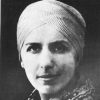
Pride and the Gout,
Are seldom cur’d throughout.Benjamin Franklin (1706–1790) American statesman, scientist, philosopher, aphorist
Poor Richard (1747 ed.)
(Source)
Quotations about:
cure
Note not all quotations have been tagged, so Search may find additional quotes on this topic.
Let the man who has acquired Enough not ask for more.
A house and acreage, a pile of bronze and gold coins,
Have never been able to lower the sick man’s fever
Or drive out his worries. The proprietor must be well
If he plans to enjoy the good things he’s gathered together.[Quod satis est cui contingit, nihil amplius optet.
Non domus et fundus, non aeris acervus et auri
Aegroto doniini deduxit corpore febres,
on animo curas; valeat possessor oportet,
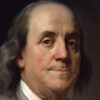
Si conpertatis rebus bene cogitat uti.]Horace (65–8 BC) Roman poet, satirist, soldier, politician [Quintus Horatius Flaccus]
Epistles [Epistularum, Letters], Book 1, ep. 2 “To Lollius,” l. 46ff (1.2.46-50) (14 BC) [tr. Palmer Bovie (1959)]
(Source)
(Source (Latin)). Other translations:He that hath once sufficient, let him wishe for no more:
Not howse nor grove, nor yet of gould, or silver ample store
Can rid the owners crasie corpes fro fellon shaking fever.
Nor can the mynd of man from carke, (for al their vigor) sever:
That owner needes must healthfull bee, and other men excel,
Which hauing riches competent, doth cast to use theim well.
[tr. Drant (1567)]Let him that has enough, desire no more.
Not House and Land, nor Gold and Silver Oare,
The Body's sickness, or the Mind's dispel,
To rellish wealth, the palat must be well.
[tr. Fanshawe; ed. Brome (1666)]He that hath got enough desires no more:
Did ever Lands, or heaps of Silver ease
The feav'rish Lord? Or cool the hot Disease?
Or free his Mind from Cares? He must have health,
He must be well, that would enjoy his wealth.
[tr. Creech (1684)]Blest with a competence, why wish for more?
Nor house, nor lands, nor heaps of labour'd ore
Can give their feverish lord one moment's rest,
Or drive one sorrow from his anxious breast:
The fond possessor must be blest with health,
Who rightly means to use his hoarded wealth.
[tr. Francis (1747)]Nathless who's rich, that is not satisfied? --
Who poor, but he whose wants are unsupplied?
Never did house, or land, or god afford
An hour's short respite to their sickening lord,
Sooth with soft balm the fever's throbbing smart,
Or pluck one rooted sorrow from the heart.
If health be wanting, riches quickly cloy;
'Tis vain to hoard, unless we can enjoy.
[tr. Howes (1845)]He, that has got a competency, let him wish for no more. Not a house and farm, nor a heap of brass and gold, can remove fevers from the body of their sick master, or cares from his mind. The possessor must be well, if he thinks of enjoying the things which he has accumulated.
[tr. Smart/Buckley (1853)]Having got
What will suffice you, seek no happier lot.
Not house or grounds, not heaps of brass or gold
Will rid the frame of fever's heat and cold.
Or cleanse the heart of care. He needs good health,
Body and mind, who would enjoy his wealth.
[tr. Conington (1874)]If you've enough, how vain to wish for more!
Nor house, nor lands, nor brass, nor golden store
Can of its fire the fevered frame relieve,
Or make the care-fraught spirit cease to grieve.
Sound, mind and body both, should be his health
To true account who hopes to turn his wealth.
[tr. Martin (1881)]If a sufficiency belong to any one, let him desire no more. A house and farm, a heap of brass and gold, have never removed fever from the sickly body of their possessor, nor cares from his mind. It is a necessity that their owner be sound in body and mind if he contemplate making a good use of his accumulated substance.
[tr. Elgood (1893)]But after all, enough is enough, and he who has enough is wise if he does not ask for more. A house, a farm, and a store of gold, these never drove the fever from their owner's aching body, or took the burden of care from his mind. Verily, the man of wealth must have good health if he would enjoy the fruit of all his labors.
[tr. Dana/Dana (1911)]He, to whose lot sufficient falls, should covet nothing more. No house or land, no pile of bronze or god, has ever freed the owner's sick body of fevers, or his sick mind of cares. The possessor must be sound in health, if he thinks of enjoying the stores he has gathered.
[tr. Fairclough (Loeb) (1926)]But anyone who has enough should want no more.
No house and farm, no heap of copper and gold
can drive a fever from its owner's weakened flesh
Or his worries from his soul. He must be well
if he wants good use from everything he's gathered.
[tr. Fuchs (1977)]But having enough we should never want more. No house
In town, no land, no piles of gold and bronze,
Have ever freed a man's mind, or eased the fevers
Racking his body. To enjoy treasure you must be sound
In mind, stable in body.
[tr. Raffel (1983)]The man who has enough should be satisfied
With what he has. Prosperity is never
Going to be able to cure a body that's sick
Or a mind that's sick. You've got to be well if you want
To enjoy the things you own.
[tr. Ferry (2001)]But when one is blest with enough, one shouldn't long for more.
Possessing a house or farm or a pile of bronze and gold
has never been known to expel a fever from an invalid's body
or a worry from his mind. Unless the owner has sound health
he cannot hope to enjoy the goods he has brought together.
[tr. Rudd (2005 ed.)]But he who’s handed enough, shouldn’t long for more.
Houses and land, piles of bronze and gold, have never
Freed their owner’s sick body from fever, or his spirit
From care: if he wants to enjoy the goods he’s gathered
Their possessor must be well.
[tr. Kline (2015)]
Fun is the cheapest fisick that haz bin diskovered yet, and the eazyest to take. Fun pills are sugar coated, and no change ov diet iz necessary while taking them. A little fun will sumtimes go a grate ways, i hav known men to liv to a good old age on one joke, which they managed to tell az often az once a day, and do all the laffing themselves besides that waz done.
[Fun is the cheapest physic that has been discovered yet, and the easiest to take. Fun pills are sugar coated, and no change of diet is necessary while taking them. A little fun will sometimes go a great ways; I have known men to live to a good old age on one joke, which they managed to tell as often as once a day, and do all the laughing themselves besides that was done.]
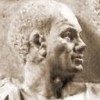
Josh Billings (1818–1885) American humorist, aphorist [pseud. of Henry Wheeler Shaw]
Josh Billings’ Farmer’s Allminax, 1875-04 “Fun” (1875 ed.)
(Source)

MACBETH: Canst thou not minister to a mind diseased,
Pluck from the memory a rooted sorrow,
Raze out the written troubles of the brain,
And with some sweet oblivious antidote
Cleanse the stuffed bosom of that perilous stuff
Which weighs upon the heart?DOCTOR:Therein the patient
Must minister to himself.MACBETH: Throw physic to the dogs. I’ll none of it.
William Shakespeare (1564–1616) English dramatist and poet
Macbeth, Act 5, sc. 3, l. 50ff (5.3.50-58) (1606)
(Source)

I don’t know ov a better kure for sorrow than tew pity sum boddy else.
[I don’t know of a better cure for sorrow than to pity somebody else.]
There is, perhaps, no surer mark of folly, than an attempt to correct the natural infirmities of those we love. The finest composition of human nature, as well as the finest china, may have a flaw in it; and this, I am afraid, in either case, is equally incurable; though, nevertheless, the pattern may remain of the highest value.
Henry Fielding (1707–1754) English novelist, dramatist, satirist
The History of Tom Jones, a Foundling, Book 2, ch. 7 (1749)
(Source)
There are some remedies worse than the disease.
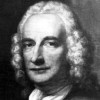
Publilius Syrus (d. 42 BC) Assyrian slave, writer, philosopher [less correctly Publius Syrus]
Sententiae [Moral Sayings], # 301 [tr. Lyman (1862)]
Morality turns on whether the pleasure precedes or follows the pain. Thus it is immoral to get drunk because the headache comes after the drinking. But if the headache came first and the drunkenness afterwards, it would be moral to get drunk.
Samuel Butler (1835–1902) English novelist, satirist, scholar
The Note-Books of Samuel Butler, “Morality” (1912)Full text.
Humor is the great thing, the saving thing. The minute it crops up, all our irritations and resentments slip away and a sunny spirit takes their place.
Mark Twain (1835–1910) American writer [pseud. of Samuel Clemens]
“What Paul Bourget Thinks of Us?” (1899)
(Source)
All things can be cured by salt water: sweat, tears, or the ocean.
Isak Dinesen (1885–1962) Danish writer [pseud. of Karen Christence, Countess Blixen]
(Attributed)