When Adam delv’d and Eve span,
Who was then a Gentleman?James Howell (c. 1594–1666) Welsh historian, writer, aphorist
Paroimiographia [Παροιμιογραφία]: Proverbs, or, Old Sayed Sawes & Adages, “English Proverbs” (1659) [compiler]
(Source)
Quotations about:
natural order
Note not all quotations have been tagged, so Search may find additional quotes on this topic.

And to pursue pleasure as good, and flee from pain as evil — that too is blasphemous. Someone who does that is bound to find himself constantly reproaching nature — complaining that it doesn’t treat the good and bad as they deserve, but often lets the bad enjoy pleasure and the things that produce it, and makes the good suffer pain, and the things that produce pain.
[καὶ μὴν ὁ τὰς ἡδονὰς ὡς ἀγαθὰ διώκων, τοὺς δὲ πόνους ὡς κακὰ φεύγων ἀσεβεῖ: ἀνάγκη γὰρ τὸν τοιοῦτον μέμφεσθαι πολλάκις τῇ κοινῇ φύσει ὡς παῤ ἀξίαν τι ἀπονεμούσῃ τοῖς φαύλοις καὶ τοῖς σπουδαίοις, διὰ τὸ πολλάκις τοὺς μὲν φαύλους ἐν ἡδοναῖς εἶναι καὶ τὰ ποιητικὰ τούτων κτᾶσθαι, τοὺς δὲ σπουδαίους πόνῳ καὶ τοῖς ποιητικοῖς τούτου περιπίπτειν.]
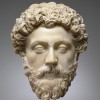
Marcus Aurelius (AD 121–180) Roman emperor (161–180), Stoic philosopher
Meditations [To Himself; Τὰ εἰς ἑαυτόν], Book 9, ch. 1 (9.1) (AD 161-180) [tr. Hays (2003)]
(Source)
(Source (Greek)). Alternate translations:He also that pursues after pleasures, as that which is truly good and flies from pains, as that which is truly evil: is impious. For such a one must of necessity oftentimes accuse that common nature, as distributing many things both unto the evil, and unto the good, not according to the deserts of either: as unto the bad oftentimes pleasures, and the causes of pleasures; so unto the good, pains, and the occasions of pains.
[tr. Casaubon (1634)]Farther: He that reckons Prosperity and Pleasure among Things really Good; Pain and Hardship amongst Things really Evil , can be no Pious Person: For such a Man will be sure to complain of the Administrations of Providence, Charge it with Mismatching Fortune, and Merit, and misapplying Rewards and Punishments: He'll often see Ill People furnish'd with Materials for Pleasure, and Regaled with the Relish of it : And good Men harrass'd and deprest, and meeting with nothing but Misfortune.
[tr. Collier (1701)]He, too, who pursues pleasure as good, and shuns pain as evil, is guilty of impiety: for such a one must needs frequently blame the common nature, as making some unworthy distributions to the bad and the good; because the bad oftimes enjoy pleasures, and possess the means of them; and the good often meet with pain, and what causes pain.
[tr. Hutcheson/Moor (1742)]Moreover, he who pursues pleasure, as if it were really good, or flies from pain, as if it were evil, he also is guilty of impiety. For he that is thus disposed, must necessarily complain often of the dispensations of Providence, as distributing its favours to the wicked and to the virtuous, without regard to their respective deserts; the wicked frequently abounding in pleasures, and in the means of procuring them, and the virtuous, on the contrary, being harassed with pain, and other afflictive circumstances.
[tr. Graves (1792)]And indeed he who pursues pleasure as good, and avoids pain as evil, is guilty of impiety. For of necessity such a man must often find fault with the universal nature, alleging that it assigns things to the bad and the good contrary to their deserts, because frequently the bad are in the enjoyment of pleasure and possess the things which procure pleasure, but the good have pain for their share and the things which cause pain.
[tr. Long (1862)]Further, he that reckons prosperity and pleasure among things really good, pain and hardship amongst things really evil, can be no pious person; for such a man will be sure to complain of the administrations of Providence, and charge it with mismatching fortune and merit. He will often see evil people furnished with materials for pleasure and regaled with the relish of it, and good men harassed and depressed, and meeting with nothing but misfortune.
[tr. Collier/Zimmern (1887)]Again, to seek pleasures as good, or to shun pains as evil, is to sin. For it inevitably leads to complaining against Nature for unfair awards to the virtuous and to the vile, seeing that the vile are oftentimes in pleasure and come by things pleasurable, while the virtuous are overtaken by pain and things painful.
[tr. Rendall (1898)]He, too, who pursues pleasure as good, and shuns pain as evil, is guilty of impiety. Such a one must needs frequently blame the common nature for unseemly awards of fortune to bad and to good men. For the bad often enjoy pleasures and possess the means to attain them, and the good often meet with pain and with what causes pain.
[tr. Hutcheson/Chrystal (1902)]Again he acts impiously who seeks after pleasure as a good thing and eschews pain as an evil. For such a man must inevitably find frequent fault with the Universal Nature as unfair in its apportionments to the worthless and the worthy, since the worthless are often lapped in pleasures and possess the things that make for pleasure, while the worthy meet with pain and the things that make for pain.
[tr. Haines (Loeb) (1916)]Moreover, he who runs after pleasures as goods and away from pains as evils commits sin; for being such a man he must necessarily often blame Universal Nature for distributing to bad and good contrary to their desert, because the bad are often employed in pleasures and acquire what may produce these, while the good are involved in pain and in what may produce this.
[tr. Farquharson (1944)]Again, it is a sin to pursue pleasure as a good and to avoid pain as an evil. It is bound to result in complaints that Nature is unfair in her rewarding of vice and virtue; since it is the bad who are so often in enjoyment of pleasures and the means to obtain them, while pains and events that occasion pains descend upon the heads of the good.
[tr. Staniforth (1964)]Again, one who pursues pleasure as good and tries to avoid pain as an evil is acting irreverently; for it is inevitable that such a person must often find fault with universal nature for assigning something to good people or bad which is contrary to their deserts, because it is so often the case that the bad devote themselves to pleasure and secure the things that give rise to it whilstr the good encounter pain and what gives rise to that.
[tr. Hard (1997 ed.)]Moreover, the pursuit of pleasure as a good and the avoidance of pain as an evil constitutes sin. Someone like that must inevitably and frequently blame universal Nature for unfair distribution as between bad men and good, since bad men are often deep in pleasures and the possessions which make for pleasure, while the good often meet with pain and the circumstances which cause pain.
[tr. Hammond (2006)]Again, one who pursues pleasures as being good and tries to avoid pains as being bad is acting irreverently; for it is inevitable that such a person must often find fault with universal nature for assigning something to good people or bad that is contrary to their deserts, because it is so often the case that the bad devote themselves to pleasure and secure the things that give rise to it while the good encounter pain and what gives rise to that.
[tr. Hard (2011 ed.)]
Down, down, down into the darkness of the grave
Gently they go, the beautiful, the tender, the kind;
Quietly they go, the intelligent, the witty, the brave.
I know. But I do not approve. And I am not resigned.

I’ve come up with a set of rules that describe our reactions to technologies:
- Anything that is in the world when you’re born is normal and ordinary and is just a natural part of the way the world works.
- Anything that’s invented between when you’re fifteen and thirty-five is new and exciting and revolutionary and you can probably get a career in it.
- Anything invented after you’re thirty-five is against the natural order of things.
Douglas Adams (1952–2001) English author, humorist, screenwriter
The Salmon of Doubt, Part 2 “The Universe” (2002) [ed. Peter Guzzardi]
(Source)

CALVIN: (walking through snowy field) You know, Hobbes, it seems the only time most people go outside is to walk to their cars. We have houses, electricity, plumbing, heat …. Maybe we’re so sheltered and comfortable that we’ve lost touch with the natural world and forgotten our place in it. Maybe we’ve lost our awe of nature. That’s why I want to ask you, as a tiger, a wild animal close to Nature, what you think we’re put on Earth to do. What’s our purpose in life? Why are we here?
HOBBES: (stating the obvious) We’re here to devour each other alive.
CALVIN: (back in the house, yelling) Turn on the lights! Turn up the heat!