We have only one story. All novels, all poetry, are built on the never-ending contest in ourselves of good and evil. And it occurs to me that evil must constantly re-spawn, while good, while virtue, is immortal. Vice has always a new fresh young face, while virtue is venerable as nothing else in the world is.
Quotations about:
good and evil
Note not all quotations have been tagged, so Search may find additional quotes on this topic.
We find what we are looking for. If we are looking for life and love and openness and growth, we are likely to find them. If we are looking for witchcraft and evil, we’ll likely find them, and we may get taken over by them.
Madeleine L'Engle (1918–2007) American writer
Speech (1983-11-16), “Dare To Be Creative,” Lecture, Library of Congress, Washington, DC
(Source)

MEDEA: O Zeus, why did you give men certain ways
to recognize false gold, when there’s no mark,
no token stamped on the human body,
to indicate which men are worthless.[ΜΉΔΕΙΑ: ὦ Ζεῦ, τί δὴ χρυσοῦ μὲν ὃς κίβδηλος ᾖ
τεκμήρι᾽ ἀνθρώποισιν ὤπασας σαφῆ,
ἀνδρῶν δ᾽ ὅτῳ χρὴ τὸν κακὸν διειδέναι
οὐδεὶς χαρακτὴρ ἐμπέφυκε σώματι;]Euripides (485?-406? BC) Greek tragic dramatist
Medea [Μήδεια], l. 516ff (431 BC) [tr. Johnston (2008)]
(Source)
(Source (Greek)). Other translations:Wherefore, O Jove, didst thou instruct mankind
How to distinguish by undoubted marks
Counterfeit gold, yet in the front of vice
Impress no brand to shew the tainted heart?
[tr. Wodhull (1782)]O Jove, why hast thou given us certain proof
To know adulterate gold, but stamp'd no mark,
Where it is needed most, on man's base metal?
[tr. Potter (1814)]Oh Zeus why hast thou given mankind sure test
To know the spurious gold, while upon men
Is no mark born whereby to tell a knave?
[tr. Webster (1868)]O Zeus! why hast thou granted unto man clear signs to know the sham in gold, while on man's brow no brand is stamped whereby to gauge the villain's heart?
[tr. Coleridge (1891)]O Jove, why I pray hast thou given to men certain proofs of the gold which is adulterate, but no mark is set by nature on the person of men by which one may distinguish the bad man.
[tr. Buckley (1892)]O Zeus, ah wherefore hast thou given to men
Plain signs for gold which is but counterfeit,
But no assay-mark nature-graven shows
On man's form, to discern the base withal?
[tr. Way (Loeb) (1894)]O great God, shall gold withal
Bear thy clear mark, to sift the base and fine,
And o'er man's living visage runs no sign
To show the lie within, ere all too late?
[tr. Murray (1906)]O God, you have given to mortals a sure method
Of telling the gold that is pure from the counterfeit;
Why is there no mark engraved upon men's bodies
By which we could know the true ones from the false ones?
[tr. Warner (1944)]O Zeus! Why have you given us clear signs to tell
True gold from counterfeit; but when we need to know
Bad men from good, the flesh bears no revealing mark?
[tr. Vellacott (1963)]Zeus, why did you give to men clear signs
To distinguish counterfeit gold from true, but as for
Humans, no stamp is impressed on their bodies
By which the bogus ones can be discerned?
[tr. Podlecki (1989)]O Zeus, why, when you gave to men sure signs of gold that is counterfeit, is there no mark on the human body by which one could identify base men?
[tr. Kovacs (Loeb) (1994)]O Zeus, why is it you have given men clear ways of testing whether gold is counterfeit but, when it comes to men, the body carries no stamp of nature for distinguishing bad from good?
[tr. Davie (1996)]Oh Zeus! You gave such obvious signs for men to tell the difference between genuine gold and fake and yet you gave not a hint for people to tell who’s a good man and who an evil one!
[tr. Theodoridis (2004)]Oh Zeus! Why have you given us a clear test
of gold to tell which is counterfeit
but of men — where to identify an evil one would be useful —
there is no such mark on his body?
[tr. Luschnig (2007)]Oh Zeus, why have you given us clear signs to tell if gold has been adulterated, but tehre's no sign upon the body of a man by which we can find out who's evil?
[tr. Ewans (2022)]Why, Zeus? Why did you give to men clear ways of knowing the counterfeited gold, while on men’s body no brand [kharaktēr] is stamped by which to know the kakos?
[tr. Coleridge / Ceragioli / Nagy / Hour25]O Zeus, why, when you gave to men sure signs of gold that is counterfeit, is there no mark on the human body by which one could identify bad men?
[tr. Kovacs / Zhang / Rogak]
MEDEA: And furthermore we are women, unable to perform noble deeds, but most skillful architects of every sort of harm.
[ΜΉΔΕΙΑ:Πρὸς δὲ καὶ πεφύκαμεν
γυναῖκες, ἐς μὲν ἔσθλ᾽ ἀμηχανώταται,
κακῶν δὲ πάντων τέκτονες σοφώταται.]Euripides (485?-406? BC) Greek tragic dramatist
Medea [Μήδεια], l. 407ff (431 BC) [tr. Kovacs (Loeb) (1994)]
(Source)
Euripides presses his thumb on the scales a little bit heavily here.
(Source (Greek)). Other translations:Altho' by nature form'd
Without a genius apt for virtuous deeds.
We women are in mischiefs most expert.
[tr. Wodhull (1782)]Nature form'd our sex to good
Of slight capacity, but to revenge
Of ready and inventive subtlety.
[tr. Potter (1814)]We women too art born
Most profitless indeed to noble works,
But cunningest devisers of all harms.
[tr. Webster (1868)]We women, though by nature little apt for virtuous deeds, are most expert to fashion any mischief.
[tr. Coleridge (1891)]Besides also we women are, by nature, to good actions of the least capacity, but the most cunning inventors of every ill.
[tr. Buckley (1892)]Yea, our woman-nature 'tis --
Say they -- to be most helpless for all good,
But fashioners most cunning of all ill.
[tr. Way (Loeb) (1894)]And God hath made thee woman, things most vain
For help, but wondrous in the paths of pain.
[tr. Murray (1906)]And women, though most helpless in doing good deeds,
Are of every evil the cleverest of contrivers.
[tr. Warner (1944)]We were born women -- useless for honest purposes,
But in all kinds of evil skilled practitioners.
[tr. Vellacott (1963)]And what is more,
We're women, quite unable to manage good
But none more skilled when it comes to doing harm.
[tr. Podlecki (1989)]And furthermore we are women, unable to perform great deeds of valor, but most skillful architects of every evil.
[tr. Kovacs (Perseus)]What's more, we are women, quite helpless in doing good but surpassing any master craftsman in working evil.
[tr. Davie (1996)]We women might be awful at doing something good but we are very competent when we’re doing something evil. No one is better than us.
[tr. Theodoridis (2004)]And besides we are
women, most helpless for the good,
but skilled craftsmen of all that is evil.
[tr. Luschnig (2007)]Besides, we possess a woman’s nature --
powerless to perform fine noble deeds,
but very skilled in every form of evil.
[tr. Johnston (2008)]Also we were born as women, very helpless when it comes to doing good, but very wise creators of all kinds of harm.
[tr. Ewans (2022)]And more than this, we are women, naturally most helpless [amēkhanai], when it comes to noble deeds [esthla], but for all evils [kaka] we are most skilled [sophai] contrivers.
[tr. Coleridge / Ceragioli / Nagy / Hour25]
And to pursue pleasure as good, and flee from pain as evil — that too is blasphemous. Someone who does that is bound to find himself constantly reproaching nature — complaining that it doesn’t treat the good and bad as they deserve, but often lets the bad enjoy pleasure and the things that produce it, and makes the good suffer pain, and the things that produce pain.
[καὶ μὴν ὁ τὰς ἡδονὰς ὡς ἀγαθὰ διώκων, τοὺς δὲ πόνους ὡς κακὰ φεύγων ἀσεβεῖ: ἀνάγκη γὰρ τὸν τοιοῦτον μέμφεσθαι πολλάκις τῇ κοινῇ φύσει ὡς παῤ ἀξίαν τι ἀπονεμούσῃ τοῖς φαύλοις καὶ τοῖς σπουδαίοις, διὰ τὸ πολλάκις τοὺς μὲν φαύλους ἐν ἡδοναῖς εἶναι καὶ τὰ ποιητικὰ τούτων κτᾶσθαι, τοὺς δὲ σπουδαίους πόνῳ καὶ τοῖς ποιητικοῖς τούτου περιπίπτειν.]
Marcus Aurelius (AD 121–180) Roman emperor (161–180), Stoic philosopher
Meditations [To Himself; Τὰ εἰς ἑαυτόν], Book 9, ch. 1 (9.1) (AD 161-180) [tr. Hays (2003)]
(Source)
(Source (Greek)). Alternate translations:He also that pursues after pleasures, as that which is truly good and flies from pains, as that which is truly evil: is impious. For such a one must of necessity oftentimes accuse that common nature, as distributing many things both unto the evil, and unto the good, not according to the deserts of either: as unto the bad oftentimes pleasures, and the causes of pleasures; so unto the good, pains, and the occasions of pains.
[tr. Casaubon (1634)]Farther: He that reckons Prosperity and Pleasure among Things really Good; Pain and Hardship amongst Things really Evil , can be no Pious Person: For such a Man will be sure to complain of the Administrations of Providence, Charge it with Mismatching Fortune, and Merit, and misapplying Rewards and Punishments: He'll often see Ill People furnish'd with Materials for Pleasure, and Regaled with the Relish of it : And good Men harrass'd and deprest, and meeting with nothing but Misfortune.
[tr. Collier (1701)]He, too, who pursues pleasure as good, and shuns pain as evil, is guilty of impiety: for such a one must needs frequently blame the common nature, as making some unworthy distributions to the bad and the good; because the bad oftimes enjoy pleasures, and possess the means of them; and the good often meet with pain, and what causes pain.
[tr. Hutcheson/Moor (1742)]Moreover, he who pursues pleasure, as if it were really good, or flies from pain, as if it were evil, he also is guilty of impiety. For he that is thus disposed, must necessarily complain often of the dispensations of Providence, as distributing its favours to the wicked and to the virtuous, without regard to their respective deserts; the wicked frequently abounding in pleasures, and in the means of procuring them, and the virtuous, on the contrary, being harassed with pain, and other afflictive circumstances.
[tr. Graves (1792)]And indeed he who pursues pleasure as good, and avoids pain as evil, is guilty of impiety. For of necessity such a man must often find fault with the universal nature, alleging that it assigns things to the bad and the good contrary to their deserts, because frequently the bad are in the enjoyment of pleasure and possess the things which procure pleasure, but the good have pain for their share and the things which cause pain.
[tr. Long (1862)]Further, he that reckons prosperity and pleasure among things really good, pain and hardship amongst things really evil, can be no pious person; for such a man will be sure to complain of the administrations of Providence, and charge it with mismatching fortune and merit. He will often see evil people furnished with materials for pleasure and regaled with the relish of it, and good men harassed and depressed, and meeting with nothing but misfortune.
[tr. Collier/Zimmern (1887)]Again, to seek pleasures as good, or to shun pains as evil, is to sin. For it inevitably leads to complaining against Nature for unfair awards to the virtuous and to the vile, seeing that the vile are oftentimes in pleasure and come by things pleasurable, while the virtuous are overtaken by pain and things painful.
[tr. Rendall (1898)]He, too, who pursues pleasure as good, and shuns pain as evil, is guilty of impiety. Such a one must needs frequently blame the common nature for unseemly awards of fortune to bad and to good men. For the bad often enjoy pleasures and possess the means to attain them, and the good often meet with pain and with what causes pain.
[tr. Hutcheson/Chrystal (1902)]Again he acts impiously who seeks after pleasure as a good thing and eschews pain as an evil. For such a man must inevitably find frequent fault with the Universal Nature as unfair in its apportionments to the worthless and the worthy, since the worthless are often lapped in pleasures and possess the things that make for pleasure, while the worthy meet with pain and the things that make for pain.
[tr. Haines (Loeb) (1916)]Moreover, he who runs after pleasures as goods and away from pains as evils commits sin; for being such a man he must necessarily often blame Universal Nature for distributing to bad and good contrary to their desert, because the bad are often employed in pleasures and acquire what may produce these, while the good are involved in pain and in what may produce this.
[tr. Farquharson (1944)]Again, it is a sin to pursue pleasure as a good and to avoid pain as an evil. It is bound to result in complaints that Nature is unfair in her rewarding of vice and virtue; since it is the bad who are so often in enjoyment of pleasures and the means to obtain them, while pains and events that occasion pains descend upon the heads of the good.
[tr. Staniforth (1964)]Again, one who pursues pleasure as good and tries to avoid pain as an evil is acting irreverently; for it is inevitable that such a person must often find fault with universal nature for assigning something to good people or bad which is contrary to their deserts, because it is so often the case that the bad devote themselves to pleasure and secure the things that give rise to it whilstr the good encounter pain and what gives rise to that.
[tr. Hard (1997 ed.)]Moreover, the pursuit of pleasure as a good and the avoidance of pain as an evil constitutes sin. Someone like that must inevitably and frequently blame universal Nature for unfair distribution as between bad men and good, since bad men are often deep in pleasures and the possessions which make for pleasure, while the good often meet with pain and the circumstances which cause pain.
[tr. Hammond (2006)]Again, one who pursues pleasures as being good and tries to avoid pains as being bad is acting irreverently; for it is inevitable that such a person must often find fault with universal nature for assigning something to good people or bad that is contrary to their deserts, because it is so often the case that the bad devote themselves to pleasure and secure the things that give rise to it while the good encounter pain and what gives rise to that.
[tr. Hard (2011 ed.)]
The true rule, in determining to embrace, or reject any thing, is not whether it have any evil in it; but whether it have more of evil, than of good. There are few things wholly evil, or wholly good. Almost every thing, especially of governmental policy, is an inseparable compound of the two; so that our best judgment of the preponderance between them is continually demanded.
Abraham Lincoln (1809–1865) American lawyer, politician, US President (1861–65)
Speech (1848-06-20), “Internal Improvements,” US House of Representatives, Washington, D.C.
(Source)
Speaking on internal improvements (infrastructure) as part of governmental policy. Taken from the copy of the speech Lincoln submitted to the Congressional Globe Appendix and the Illinois Journal (1848-07-20).

HECUBA: It the duty of a good man to do good everywhere and always to punish the evil men.
[ἙΚΆΒΗ: ἐσθλοῦ γὰρ ἀνδρὸς τῇ δίκῃ θ᾿ ὑπηρετεῖν
καὶ τοὺς κακοὺς δρᾶν πανταχοῦ κακῶς ἀεί.]Euripides (485?-406? BC) Greek tragic dramatist
Hecuba [Hekabe; Ἑκάβη], l. 844ff (c. 424 BC) [tr. Theodoridis (2007)]
(Source)
Requesting that Agamemnon help her avenge the murder of her son, Polydorus.
(Source (Greek)). Alternate translations:For the good man's duty
Is to obey the dread behests of justice,
And ever punish those who act amiss.
[tr. Wodhull (1809)]For it belongs to a good man to minister justice, and always and in every case to punish the bad.
[tr. Edwards (1826)]For 'tis the good man's part to champion right,
And everywhere and aye to smite the wrong.
[tr. Way (Loeb) (1894)]This, this is virtue: to do justice still,
Requiting evil every way with ill.
[tr. Sheppard (1924)]For it is always a good man's duty to help the right, and to punish evil-doers wherever found.
[tr. Coleridge (1938)]Do your duty as a man of honor:
see justice done. Punish this murder.
[tr. Arrowsmith (1958)]A good man is just, he'll punish the bad.
[tr. McGuinness (2004)]A good man commits himself to justice and combats the wicked in whatever place.
[tr. Harrison (2005)]Do your duty. Mete out justice.
Punish this heinous crime against gods and man.
[tr. Karden/Street (2011)]For it is right that a good man serve justice
And always do evil everywhere to evil men.
[tr. @sentantiq (2020)]
But I have seen the beauty of good, and the ugliness of evil, and have recognized that the wrongdoer has a nature related to my own — not of the same blood or birth, but the same mind, and possessing a share of the divine. And so none of them can hurt me. No one can implicate me in ugliness. Nor can I feel angry at my relative, or hate him.
[ἐγὼ δὲ τεθεωρηκὼς τὴν φύσιν τοῦ ἀγαθοῦ ὅτι καλόν, καὶ τοῦ κακοῦ ὅτι αἰσχρόν, καὶ τὴν αὐτοῦ τοῦ ἁμαρτάνοντος φύσιν ὅτι μοι συγγενής, οὐχὶ αἵματος ἢ σπέρματος τοῦ αὐτοῦ, ἀλλὰ νοῦ καὶ θείας ἀπομοίρας μέτοχος, οὔτε βλαβῆναι ὑπό τινος αὐτῶν δύναμαι: αἰσχρῷ γάρ με οὐδεὶς περιβαλεῖ: οὔτε ὀργίζεσθαι τῷ συγγενεῖ δύναμαι οὔτε ἀπέχθεσθαι αὐτῷ.]
Marcus Aurelius (AD 121–180) Roman emperor (161–180), Stoic philosopher
Meditations [To Himself; Τὰ εἰς ἑαυτόν], Book 2, ch. 1 (2.1) [tr. Hays (2003)]
(Source)
(Source (Greek)). Alternate translations:But I that understand the nature of that which is good, that it only is to be desired, and of that which is bad, that it only is truly odious and shameful: who know moreover, that this transgressor, whosoever he be, is my kinsman, not by the same blood and seed, but by participation of the same reason, and of the same divine particle; How can I either be hurt by any of those, since it is not in their power to make me incur anything that is truly reproachful? or angry, and ill affected towards him, who by nature is so near unto me?
[tr. Casaubon (1634), 1.15]And since it's fallen to my share to understand the Natural Beauty of a good Action, and the Deformity of an ill One; since I am satisfied the Person disobliging is of Kin to me, and tho we are not just of the same Flesh and Blood, yet our Minds are nearly related, being both extracted from the Deity; since I am likewise convinc'd that no Man can do me a real injury, because no Man can force me to misbehave my self; For these Reasons, I can't find in my Heart to Hate, or to be Angry with one of my own Nature and Family.
[tr. Collier (1701)]But I have fully comprehended the nature of good, as only what is beautiful and honourable; and of evil, that it is always deformed and shameful; and the nature of those persons too who mistake their aim; that they are my kinsmen, by partaking, not of the same blood or seed, but of the same intelligent divine part; and that I cannot be hurt by any of them, since none of them can involve me in any thing dishonourable or deformed. I cannot be angry at my kinsmen, or hate them.
[tr. Hutcheson/Moor (1742)]But I, who have a more just idea of things, that nothing is good, but what is honourable, and nothing evil, but what is base; and am also sensible that the persons who offend me are in some sense allied to me, (I do not mean of the same flesh and blood, but that our souls are derived from, and particles of, the same divine nature) I can neither suffer any real injury from them, because they cannot compel me to do a base action; nor can I be angry with or hate thoe whom I consider as of the same nature and the same family with myself.
[tr. Graves (1792)]But I who have seen the nature of the good that it is beautiful, and of the bad that it is ugly, and the nature of him who does wrong, that it is akin to me; not [only] of the same blood or seed, but that it participates in [the same] intelligence and [the same] portion of the divinity, I can neither be injured by any of them, for no one can fix on me what is ugly, nor can I be angry with my kinsman, nor hate him.
[tr. Long (1862)]Since it has fallen to my share to understand the natural beauty of a good action, and the deformity of an ill one -- since I am satisfied the person disobliging is of kin to me, and though we are not just of the same flesh and blood, yet our minds are nearly related, being both extracted from the Deity I am likewise convinced that no man can do me a real injury, because no man can force me to misbehave myself, nor can I find it in my heart to hate or to be angry with one of my own nature and family.
[tr. Collier/Zimmern (1887)]But seeing that I have beheld the nature and nobility of good, and the nature and meanness of evil, and the nature of the sinner, who is my brother, participating not indeed in the same flesh and blood, but in the same mind and partnership with the divine, I cannot be injured by any of them; for no man can involve me in what demeans. Neither can I be angry with my brother, or quarrel with them.
[tr. Rendall (1898)]But I have considered the nature of the good, and found it beautiful: I have beheld the nature of the bad, and found it ugly. I also understand the nature of the evil-doer, and know that he is my brother, not because he shares with me the same blood or the same seed, but because he is a partaker of the same mind and of the same portion of immortality. I therefore cannot be hurt by any of these, since none of them can involve me in any baseness. I cannot be angry with my brother, or sever myself from him.
[tr. Hutcheson/Chrystal (1902)]But I, in that I have comprehended the nature of the Good that it is beautiful, and the nature of Evil that it is ugly, and the nature of the wrong-doer himself that it is akin to me, not as partaker of the same blood and seed but of intelligence and a morsel of the Divine, can neither be injured by any of them -- for no one can involve me in what is debasing -- nor can I be wroth with my kinsman and hate him.
[tr. Haines (Loeb) (1916)]But I, because I have seen that the nature of good is the right, and of ill the wrong, and that the nature of the man himself who does wrong is akin to my own (not of the same blood and seed, but partaking with me in mind, that is in a portion of divinity), I can neither be harmed by any of them, for no man will involve me in wrong, nor can I be angry with my kinsman or hate him.
[tr. Farquharson (1944)]But for my part I have long perceived the nature of good and its nobility, the nature of evil and its meanness, and also the nature of the culprit himself, who is my brother (not in the physical sense, but as a fellow-creature similarly endowed with reason and a share of the divine); therefore none of those things can injure me, for nobody can implicate me in what is degrading. Neither can I be angry with my brother or fall foul of him.
[tr. Staniforth (1964)]But I, who have beheld the nature of the good, and seen that it is the right; and of the bad, and seen that it is the wrong; and for the wrongdoer himself, and seeing that his nature is akin to my own -- not because he is of the same blood and seed, but because he shares with me in mind and a portion of the divine -- I, then, can neither be harmed by any of these men, nor can I become angry with one who is akin to me, nor can I hate him.
[tr. Hard (1997 ed.)]But I have seen that the nature of good is what is right, and the nature of evil what is wrong; and I have reflected that the nature of the offender himself is akin to my own -- not a kinship of blood or seed, but a sharing in the same mind, the same fragment of divinity. Therefore I cannot be harmed by any of them, as none will infect me with their wrong. Nor can I be angry with my kinsman or hate him.
[tr. Hammond (2006)]But insofar as I have comprehended the true nature of what is good, namely that it is fine and noble, and the true nature of what is bad, that it is shameful, and the true nature of the person who has gone astray: that he is just like me, not only in the physical sense but also with respect to Intelligence and having a portion of the divine -- insofar as I have comprehended all this, I can neither be harmed by any of them, for no one else can involve me in what is shameful and debasing, nor can I be angry with my fellow man or hate him.
[tr. Needleman/Piazza (2008)]But I, who have observed the nature of the good, and seen that it is the right; and of the bad, and seen that it is the wrong; and of the wrongdoer himself, and seen that his nature is akin to my own -- not because he is of the same blood and seed, but because he shares as I do in mind and thus in a portion of the divine -- I, then, can neither be harmed by these people, nor become angry with one who is akin to me, nor can I hate him.
[tr. Hard (2011 ed.)]But I have recognized the nature of the good and seen that it is the right, and the nature of the bad and seen that it is the wrong, and nature of th wrongdoer himself, and seen that he is related to me, not because he has the same blood or seed, but because he shares in the same mind and portion of divinity. So I cannot be harmed by any of them, as no one will involve me in what is wrong. Nor can I be angry with my relative or hate him.
[tr. Gill (2013)]But I, who know what is truly beautiful and truly ugly, and who know the wickedness of their hearts, also know that all these people are akin to me, that they are part of the same divine pattern. I cannot be injured by any of them, for no one can force me to see the world the way they do. Neither can I hate them, for both they and I need each other.
[tr. McNeill (2019)]
Say to yourself first thing in the morning: I shall meet with people who are meddling, ungrateful, violent, treacherous, envious, and unsociable. They are subject to these faults because of their ignorance of what is good and bad.
[ἕωθεν προλέγειν ἑαυτῷ· συντεύξομαι περιέργῳ, ἀχαρίστῳ, ὑβριστῇ, δολερῷ, βασκάνῳ, ἀκοινωνήτῳ· πάντα ταῦτα συμβέβηκεν ἐκείνοις παρὰ τὴν ἄγνοιαν τῶν ἀγαθῶν καὶ κακῶν.]
Marcus Aurelius (AD 121–180) Roman emperor (161–180), Stoic philosopher
Meditations [To Himself; Τὰ εἰς ἑαυτόν], Book 2, ch. 1 (2.1) [tr. Gill (2013)]
(Source)
(Source (Greek)). Alternate translations:Betimes in the morning say to thyself, This day I shalt have to do with an idle curious man, with an unthankful man, a railer, a crafty, false, or an envious man; an unsociable uncharitable man. All these ill qualities have happened unto them, through ignorance of that which is truly good and truly bad.
[tr. Casaubon (1634), 1.15]Remember to put yourself in mind every Morning, That before Night 'twill be your Luck to meet with some Inquisitive Impertinent, with some ungrateful, and abusive Fellow; with some Knavish, Envious, or unsociable Churl or other. Now all this perverseness in them proceeds from their Ignorance of Good and Evil
[tr. Collier (1701)]Say thus to thyself every morning: to day I may have to do with some intermeddler in other mens affairs, with an ungrateful man; an insolent, or a crafty, or an envious, or an unsociable selfish man. These bad qualities have befallen them through their ignorance of what things are truly good or evil.
[tr. Hutcheson/Moor (1742)]Consider with yourself, before you go out in the morning, that in the course of the day you will probably meet with some impertinent, disagreeable, or abusive fellow, with some deceitful, envious, or selfish wretch: now all this perverseness in them proceeds from their ignorance of what is really good or evil.
[tr. Graves (1792)]Begin the morning by saying to thyself, I shall meet with the busybody, the ungrateful, arrogant, deceitful, envious, unsocial. All these things happen to them by reason of their ignorance of what is good and evil.
[tr. Long (1862)]Remember to put yourself in mind every morning, that before night it will be your luck to meet with some busy-body, with some ungrateful, abusive fellow, with some knavish, envious, or unsociable churl or other. Now all this perverseness in them proceeds from their ignorance of good and evil.
[tr. Collier/Zimmern (1887)]When you wake, say to yourself -- To-day I shall encounter meddling, ingratitude, violence, cunning, malice, self-seeking; all of them the results of men not know what is good and what is evil."
[tr. Rendall (1898)]Say this to yourself in the morning: Today I shall have to do with meddlers, with the ungrateful, with the insolent, with the crafty, with the envious and the selfish. All these vices have beset them, because they know not what is good and what is evil.
[tr. Hutcheson/Chrystal (1902)]Say to thyself at daybreak: I shall come across the busy-body, the thankless, the bully, the treacherous, the envious, the unneighbourly. All this has befallen them because they know not good from evil.
[tr. Haines (Loeb) (1916)]Say to yourself in the early morning: I shall meet to-day inquisitive, ungrateful, violent, treacherous, envious, uncharitable men. All these things have come upon them through ignorance of real good and ill.
[tr. Farquharson (1944)]Begin each day by telling yourself: Today I shall be meeting with interference, ingratitude, insolence, disloyalty, ill will, and selfishness -- all of them due to the offenders’ ignorance of what is good or evil.
[tr. Staniforth (1964)]Say to yourself at break of day, I shall meet with meddling, ungrateful, violent, treacherous, envious, and ungrateful men. All these vices have fallen to them because they have no knowledge of good and bad.
[tr. Hard (1997 ed.)]When you wake up in the morning, tell yourself: The people I deal with today will be meddling, ungrateful, arrogant, dishonest, jealous, and surly. They are like this because they can’t tell good from evil.
[tr. Hays (2003)]Say to yourself first thing in the morning: today I shall meet people who are meddling, ungrateful, aggressive, treacherous, malicious, unsocial. All this has afflicted them through their ignorance of true good and evil.
[tr. Hammond (2006)]Begin each day by saying to yourself: Today I am going to encounter people who are ungrateful, arrogant, deceitful, envious, and hostile. People have these characteristics because they do not understand what is good and what is bad.
[tr. Needleman/Piazza (2008)]Say to yourself at the start of the day, I shall meet with meddling, ungrateful, violent, treacherous, envious, and unsociable people. They are subject to all these defects because they have no knowledge of good and bad.
[tr. Hard (2011 ed.)]First thing in the morning say to yourself: "I’m going to meet a busybody, an ingrate, a bighead, a fraudster, a slanderer, and an anti-social person; they’ve become all these things because of their ignorance of good and evil."
[tr. @aleatorclassicus (2013)]Begin the morning by saying to yourself: Today I will meet people who are busy-bodies, ungrateful, arrogant, deceitful, envious, and unkind. This will happen because these people are ignorant of what is good and bad.
[tr. McNeill (2019)]
MARGARET: Father, that man’s bad.
MORE: There is no law against that.
ROPER: There is! God’s law!
MORE: Then God can arrest him.Robert Bolt (1924–1995) English dramatist
A Man for All Seasons, play, Act 1 (1960)
(Source)
Bolt's 1966 film adaptation uses the same lines. (Source (Video); dialog verified.)
ORESTES: Otherwise how can we believe in the gods, if injustice can triumph over justice?
[ὈΡΈΣΤΗΣ:ἢ χρὴ μηκέθ᾽ ἡγεῖσθαι θεούς,
εἰ τἄδικ᾽ ἔσται τῆς δίκης ὑπέρτερα.]
Euripides (485?-406? BC) Greek tragic dramatist
Electra [Ἠλέκτρα], l. 584ff (c. 420 BC) [tr. Theodoridis (2006)]
(Source)
(Source (Greek)). Alternate translations:Else shall we cease to think that any Gods
Exist, if Villainy prevail o'er Justice.
[tr. Wodhull (1809); Electra speaking]Else we must no longer believe in gods, if wrong is to be victorious over right.
[tr. Coleridge (1891)]It behooves one no longer to think that there are Gods, if unjust deeds get the advantage of justice.
[tr. Buckley (1892)]We must believe no more
In Gods, if wrong shall triumph over right.
[tr. Way (1896)]Else men shall know there is no God, no light
In Heaven, if wrong to the end shall conquer right.
[tr. Murray (1905)]Else must we cease to believe in gods, if wrong is to triumph o'er right.
[tr. Coleridge (1938 ed.)]For if wrongful acts
triumph over justice, then no longer
should we put any of our faith in gods.
[tr. Johnston (2009), l. 699ff]

Dessous roared with laughter. “Telman! I can’t believe I’m having to tell you this, but life isn’t fair!”
“No, the world isn’t fair, the universe isn’t fair. Physics, chemistry and mathematics, they aren’t fair. Or unfair, for that matter. Fairness is an idea, and only conscious creatures have ideas. That’s us. We have ideas about right and wrong. We invent the idea of justice so that we can judge whether something is good or bad. We develop morality. We create rules to live by and call them laws, all to make life more fair.”

Something, some psychological vitamin, is lacking in modern civilization, and as a result we are all more or less subject to this lunacy of believing that whole races or nations are mysteriously good or mysteriously evil.
George Orwell (1903–1950) English journalist, essayist, writer [pseud. of Eric Arthur Blair]
Essay (1945-04), “Antisemitism in Britain,” Contemporary Jewish Record
(Source)
Written February 1945.
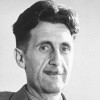
When he left the bishop’s dwelling Jean Valjean, as we know, had been in a state of mind unlike anything he had ever experienced before and was quite unable to account for what was taking place within him. He had sought to harden his heart against the old man’s saintly act and moving words. “You have promised me to become an honest man. I am buying your soul. I am rescuing it from the spirit of perversity and giving it to God.” The words constantly returned to him and he sought to suppress them with arrogance, which in all of us is the stronghold of evil. Obscurely he perceived that the priest’s forgiveness was the most formidable assault he had ever sustained; that if he resisted it his heart would be hardened once and for all, and that if he yielded he must renounce the hatred which the acts of men had implanted in him during so many years, and to which he clung. He saw dimly that this time he must either conquer or be conquered, and that the battle was now joined, a momentous and decisive battle between the evil in himself and the goodness in that other man.
[Quand Jean Valjean était sorti de chez l’évêque, on l’a vu, il était hors de tout ce qui avait été sa pensée jusque-là. Il ne pouvait se rendre compte de ce qui se passait en lui. Il se roidissait contre l’action angélique et contre les douces paroles du vieillard. « Vous m’avez promis de devenir honnête homme. Je vous achète votre âme. Je la retire à l’esprit de perversité et je la donne au bon Dieu. » Cela lui revenait sans cesse. Il opposait à cette indulgence céleste l’orgueil, qui est en nous comme la forteresse du mal. Il sentait indistinctement que le pardon de ce prêtre était le plus grand assaut et la plus formidable attaque dont il eût encore été ébranlé ; que son endurcissement serait définitif s’il résistait à cette clémence ; que, s’il cédait, il faudrait renoncer à cette haine dont les actions des autres hommes avaient rempli son âme pendant tant d’années, et qui lui plaisait ; que cette fois il fallait vaincre ou être vaincu, et que la lutte, une lutte colossale et définitive, était engagée entre sa méchanceté à lui et la bonté de cet homme.]
Victor Hugo (1802–1885) French writer, journalist, human rights activist, politician
Les Misérables, Part 1 “Fantine,” Book 2 “The Fall,” ch. 13 (1.2.13) (1862) [tr. Denny (1976)]
(Source)
(Source (French)). Other translations:When Jean Valjean left the bishop's house, as we have seen, his mood was one that he had never known before. He could understand nothing of what was passing within him. He set himself stubbornly in opposition to the angelic deeds and the gentle words of the old man, “you have promised me to become an honest man. I am purchasing your soul, I withdraw it from the spirit of perversity, and I give it to God Almighty." This came back to him incessantly. To this celestial tenderness, he opposed pride, which is the fortress of evil in man. He felt dimly that the pardon of this priest was the hardest assault, and the most formidable attack which he had yet sustained ; that his hardness of heart would be complete, if it resisted this kindness; that if he yielded, be must renounce that hatred with which the acts of other men had for so many years filled his soul, and in which he found satisfaction; that, this time, he must conquer or be conquered, and that the struggle, a gigantic and decisive struggle, had begun between his own wickedness, and the goodness of this man.
[tr. Wilbour (1862)]When Jean Valjean quitted the bishop’s house, he was lifted out of his former thoughts, and could not account for what was going on within him. He stiffened himself against the angelic deeds and gentle words of the old man: “You have promised me to become an honest man. I purchase your soul; I withdraw it from the spirit of perverseness, and give it to God.” This incessantly recurred to him, and he opposed to this celestial indulgence that pride which is within us as the fortress of evil. He felt instinctively that this priest’s forgiveness was the greatest and most formidable assault by which he had yet been shaken; that his hardening would be permanent if he resisted this clemency; that if he yielded he must renounce that hatred with which the actions of other men had filled his soul during so many years, and which pleased him; that this time he must either conquer or be vanquished, and that the struggle, a colossal and final struggle, had begun between his wickedness and that man’s goodness.
[tr. Wraxall (1862)]When Jean Valjean left the Bishop's house, he was, as we have seen, quite thrown out of everything that had been his thought hitherto. He could not yield to the evidence of what was going on within him. He hardened himself against the angelic action and the gentle words of the old man. "You have promised me to become an honest man. I buy your soul. I take it away from the spirit of perversity; I give it to the good God."
This recurred to his mind unceasingly. To this celestial kindness he opposed pride, which is the fortress of evil within us. He was indistinctly conscious that the pardon of this priest was the greatest assault and the most formidable attack which had moved him yet; that his obduracy was finally settled if he resisted this clemency; that if he yielded, he should be obliged to renounce that hatred with which the actions of other men had filled his soul through so many years, and which pleased him; that this time it was necessary to conquer or to be conquered; and that a struggle, a colossal and final struggle, had been begun between his viciousness and the goodness of that man.
[tr. Hapgood (1887)]When Jean Valjean left the bishop's house, as we saw, his thoughts were unlike any he had ever known before. He could understand nothing of what was going on inside him. He stubbornly resisted the angelic deeds and the gentle words of the old man, "You have promised me to become an honest man. I am purchasing your soul. I withdraw it from the spirit of perdition, and I give it to God!" This kept coming back to him. In opposition to this celestial tenderness, he summoned up pride, the fortress of evil in man. He dimly felt that this priest's pardon was the hardest assault, the most formidable attack he had ever sustained; that his hardness of heart would be complete, if it resisted this kindness; that if he yielded, he would have to renounce the hatred with which the acts of other men had for so many years filled his soul, and in which he found satisfaction; that, this time, he must conquer or be conquered, and that the struggle, a gigantic and decisive struggle, had begun between his own wrongs and the goodness of this man.
[tr. Wilbour/Fahnestock/MacAfee (1987)]When jean Valjean left the bishop's house he was, as we have seen, in what was to him an entirely different mental universe. He could not undersdtand what was going on inside him. He hardened himself against the old man's angelic deed and gentle words. "You promised to become an honest man. I'm buying your soul. I'm redeeming it from the spirit of iniquity and giving it to the good Lord." This kept coming back to him. This heavenly kindness he countered with pride -- the fortress of evil, as it were, within us. He had the indistinct feeling that this priest's forgiveness was the greatest assault and most tremendous attack he had ever experience. That if he resisted this clemency the hardening of his heart would be definitive. That if he yielded he would be obliged to renounce that hatred with which the deeds of other men had filled his soul over so many years, a hatred he relished. That this time he had to vanquish or be vanquished, and that the battle had been joined, a colossal and decisive battle, between his own wickedness and that man's goodness.
[tr. Donougher (2013)]
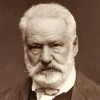
We’re all capable of doing great things, and of doing bad things. We have the angels and the demons inside of us, and our lives are a succession of choices. Look at a figure like Woodrow Wilson, one of the most fascinating presidents in American history. He was despicable on racial issues. He was a Southern segregationist of the worst stripe, praising D.W. Griffith and The Birth of a Nation. He effectively was a Ku Klux Klan supporter. But in terms of foreign affairs, and the League of Nations, he had one of the great dreams of our time. The war to end all wars — we make fun of it now, but God, it was an idealistic dream. If he’d been able to achieve it, we’d be building statues of him a hundred feet high, and saying, “This was the greatest man in human history: This was the man who ended war.” He was a racist who tried to end war. Now, does one cancel out the other? Well, they don’t cancel out the other. You can’t make him a hero or a villain. He was both. And we’re all both.
George R. R. Martin (b. 1948) American author and screenwriter [George Raymond Richard Martin]
Interview (2014-04-23) by Mikal Gilmore, “The Rolling Stone Interview,” Rolling Stone
(Source)

He whom the good praize and wicked hate ought tew be satisfied with hiz reputashun.
[He whom the good praise and the wicked hate ought to be satisfied with his reputation.]Josh Billings (1818–1885) American humorist, aphorist [pseud. of Henry Wheeler Shaw]
Everybody’s Friend, Or; Josh Billing’s Encyclopedia and Proverbial Philosophy of Wit and Humor, ch. 150 “Affurisms: Parboils” (1874)
(Source)

MACBETH: Good things of day begin to droop and drowse,
While night’s black agents to their preys do rouse.William Shakespeare (1564–1616) English dramatist and poet
Macbeth, Act 3, sc. 2, l. 58ff (3.2.58-60) (1606)
(Source)

The surest way to get a reputation as a liar is to pretend to be very good. The next surest way is to pretend to be very wicked.
H. L. Mencken (1880–1956) American writer and journalist [Henry Lewis Mencken]
A Little Book in C Major, ch. 2, § 7 (1916)
(Source)
Variants:LlAR. (a) One who pretends to be very good; (b) one who pretends to be very bad.
[A Book of Burlesques, "The Jazz Webster" (1924)]Liar — (a) One who pretends to be very good; (b) one who pretends to be very bad.
[Chrestomathy, ch. 30 "Sententiae" (1949)]
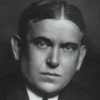
There are depths in man that go the length of lowest Hell, as there are heights that reach highest Heaven; — for are not both Heaven and Hell made out of him, made by him, everlasting Miracle and Mystery as he is?
Thomas Carlyle (1795–1881) Scottish essayist and historian
The French Revolution: A History, Part 3, Book 1, ch. 4 (3.1.4) (1837)
(Source)
Regarding the events of 2 September 1792, and the Commune-ordered massacres of prisoners in the Paris prisons.
This passage was popularized in a slightly paraphrased form in Tryon Edwards, ed., A Dictionary of Thoughts (1891):There are depths in man that go to the lowest hell, and heights that reach the highest heaven, for are not both heaven and hell made out of him, everlasting miracle and mystery that he is.
The Edwards version was, in turn, quoted by Martin Luther King, Jr. in his Detroit sermon "The Christian Doctrine of Man" (1958-02-12).
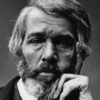
Even so, one step from my grave,
I believe that cruelty, spite,
The powers of darkness will in time
Be crushed by the spirit of light.[Но и так, почти у гроба,
Верю я, придет пора —
Силу подлости и злобы
Одолеет дух добра.]Boris Pasternak (1890–1960) Russian poet, novelist, and literary translator
“Nobel Prize [Нобелевская Премия]” st. 4 (1959) [tr. Stallworthy/France (1982)]
(Source)
On his persecution for winning the 1958 Nobel Prize for Literature for Doctor Zhivago, which had been condemned by the Communist Party and the Soviet government. The poem was not published until Selected Poems (1983).
This upbeat ending is how the poem officially ends. Two more, darker, stanzas were attached to the manuscript by Pasternak, but it is unclear if they were meant to be added (and, if so, where), or if Pasternak ever wanted the poem published.
(Source (Russian)). Other translations:Even now, at the edge of the tomb,
I believe in the virtuous fate, --
And the spirit of goodness will soon
overcome all the malice and hate.
[tr. Kneller]But even as my grave awaits,
the time will come. I've believed --
The forces of meanness and hate
will be vanquished by the spirit of good.
[tr. Mager]Yet, as I approach my passing,
I believe the day is near,
When the heart of good surpasses
rage and baseness -- even here.
[tr. Moreton]Even in my dying hour
I believe it still stronger:
Malice will be overpowered
By the spirit of Good Will.
[tr. Astrakhan]

Neither all bad nor all good. A certain sage reduced the whole of wisdom to the golden mean. Carry right too far and it becomes wrong. The orange squeezed completely dry gives only bitterness. Even in enjoyment you shouldn’t go to extremes. The intellect itself will go dry if pressed too hard, and if you milk a cow like a tyrant you will draw only blood.
[Nunca apurar, ni el mal, ni el bien. A la moderación en todo redujo la sabiduría toda un sabio. El sumo derecho se hace tuerto, y la naranja que mucho se estruja llega a dar lo amargo. Aun en la fruición nunca se ha de llegar a los extremos. El mismo ingenio se agota si se apura, y sacará sangre por leche el que esquilmare a lo tirano.]
Baltasar Gracián y Morales (1601–1658) Spanish Jesuit priest, writer, philosopher
The Art of Worldly Wisdom [Oráculo Manual y Arte de Prudencia], § 82 (1647) [tr. Maurer (1992)]
(Source)
(Source (Spanish)). Other translations:Not to pry too much neither into good nor evil. A wise man comprehended all his wisedom in this Precept, ne quid nimis, nothing too much. Too strict a justice degenerates into injustice. The Orange that is too much squeezed, yields a bitter juice. Nay in enjoyment, we ought never to go to either of the two extremes. Wit itself is exhausted by too much straining. By endeavouring to draw down too much milk, bloud is often fetched.
[Flesher ed. (1685)]Drain nothing to the dregs, neither good nor evil.
[tr. Duff (1877)]Drain Nothing to the Dregs, neither Good nor Ill. A sage once reduced all virtue to the golden mean. Push right to the extreme and it becomes wrong: press all the juice from an orange and it becomes bitter. Even in enjoyment never go to extremes. Thought too subtle is dull. If you milk a cow too much you draw blood, not milk.
[tr. Jacobs (1892)]Drink nothing to the dregs, either of the bad, or of the good, for to moderation in everything has one sage reduced all wisdom. Too great justice become injustice, and the orange, squeezed too hard, turns bitter; even in enjoyment, do not go too far. The spirit itself grows weary if worked too long, and he draws blood instead of milk, who milks too hard.
[tr. Fischer (1937)]

Democracy has no place for the kind of justice implied in an eye for an eye and a tooth for a tooth. Democracy is a system for the resolution of conflict, not for vengeance. Simple black-white notions of right and wrong do not fit into democratic politics. Political controversies result from the fact that the issues are complex, and men may properly have differences of opinion about them. The most terrible of all over-simplifications is the notion that politics is a contest between good people and bad people.
E. E. Schattschneider (1892–1971) American political scientist [Elmer Eric Schattschneider]
Two Hundred Million Americans in Search of a Government (1969)
(Source)
“It’s not as simple as that. It’s not a black and white issue. There are so many shades of grey.”
“Nope.”
“Pardon?”
“There’s no greys, only white that’s got grubby.”Terry Pratchett (1948–2015) English author
Discworld No. 23, Carpe Jugulum [Rev. Mightily Oats, Granny Weatherwax] (1998)
(Source)

In their moral justification, the argument of the lesser evil has played a prominent role. If you are confronted with two evils, thus the argument runs, it is your duty to opt for the lesser one, whereas it is irresponsible to refuse to choose altogether. […] Politically, the weakness of the argument has always been that those who choose the lesser evil forget very quickly that they chose evil.
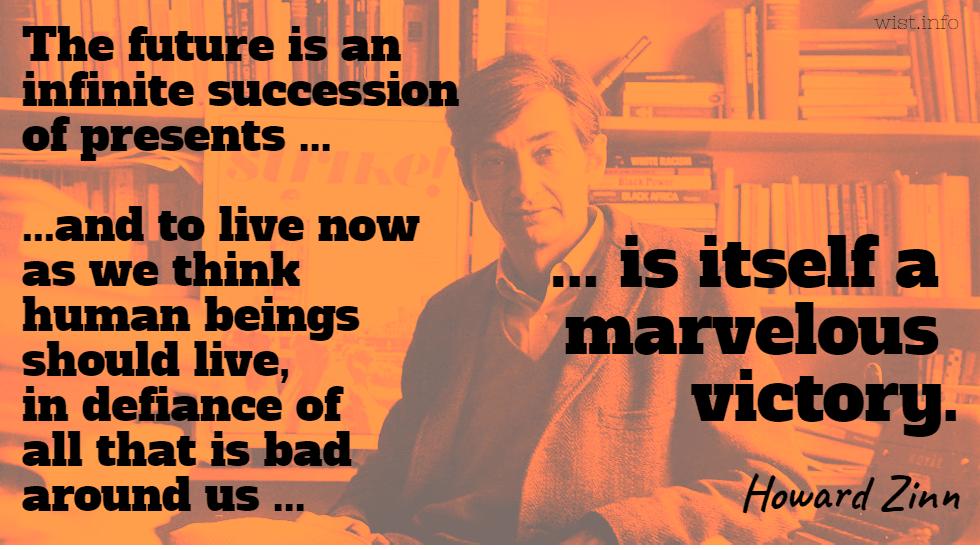
An optimist isn’t necessarily a blithe, slightly sappy whistler in the dark of our time. To be hopeful in bad times is not just foolishly romantic. It is based on the fact that human history is a history not only of cruelty, but also of compassion, sacrifice, courage, kindness. What we choose to emphasize in this complex history will determine our lives. If we see only the worst, it destroys our capacity to do something. If we remember those times and places — and there are so many — where people have behaved magnificently, this gives us the energy to act, and at least the possibility of sending this spinning top of a world in a different direction.
And if we do act, in however small a way, we don’t have to wait for some grand utopian future. The future is an infinite succession of presents, and to live now as we think human beings should live, in defiance of all that is bad around us, is itself a marvelous victory.
Howard Zinn (1922–2010) American historian, academic, author, social activist
Essay (2004-09-02), “The Optimism of Uncertainty,” The Nation
(Source)
Adopted from Zinn's essay of the same name in Paul Loeb (ed.), The Impossible Will Take a Little While (2004). See also Zinn, "A Marvelous Victory" (2004-02-23).

AGAMEMNON:For it touches all,
Cities and men alike, that deeds of ill
Find evil ends, and virtue prosper still.[ἈΓΑΜΈΜΝΩΝ:πᾶσι γὰρ κοινὸν τόδε,
ἰδίᾳ θ᾽ ἑκάστῳ καὶ πόλει, τὸν μὲν κακὸν
κακόν τι πάσχειν, τὸν δὲ χρηστὸν εὐτυχεῖν.]Euripides (485?-406? BC) Greek tragic dramatist
Hecuba [Hekabe; Ἑκάβη], l. 900ff (c. 424 BC) [tr. Sheppard (1924)]
(Source)
(Source (Greek)). Other translations:For 'tis the common interest of mankind.
Of every individual, every state.
That he who hath transgress'd should suffer ill.
And Fortune crown the efforts of the virtuous.
[tr. Wodhull (1809)]For this is a general principle among all, both individuals in private and states,
That the wicked man should feel vengeance, but the good man enjoy prosperity.
[tr. Edwards (1826)]For the general good
Of individuals and of states requires
That vengeance overtake th’ unrighteous deed,
And virtue triumph in her just reward.
[ed. Ramage (1864)]For all men's weal is this, --
Each several man's, and for the state, -- that ill
Betide the bad, prosperity the good.
[tr. Way (Loeb) (1894)]For this is the interest alike of citizen and state, that the wrong-doer be punished and the good man prosper.
[tr. Coleridge (1938)]The common interests
of states and individuals alike demand
that good and evil receive their just rewards.
[tr. Arrowsmith (1958)]Every man -- every slave -- shares one wish. May we each get what we deserve.
[tr. McGuinness (2004)]I think the wish is common among men, as individuals and citizens, that bad men should suffer and good men thrive.
[tr. Harrison (2005)]It is everyone’s conviction, individually and collectively as a city, that the evil man suffers and the good man rejoices.
[tr. Theodoridis (2007)]It’s in the interests of both
states and individuals that evil suffers evil
and good fares well.
[tr. Karden/Street (2011)]
Be on your guard against false prophets; they come to you looking like sheep on the outside, but on the inside they are really like wild wolves. You will know them by what they do. Thorn bushes do not bear grapes, and briers do not bear figs. A healthy tree bears good fruit, but a poor tree bears bad fruit. A healthy tree cannot bear bad fruit, and a poor tree cannot bear good fruit. And any tree that does not bear good fruit is cut down and thrown in the fire. So then, you will know the false prophets by what they do.
[Προσέχετε ἀπὸ τῶν ψευδοπροφητῶν, οἵτινες ἔρχονται πρὸς ὑμᾶς ἐν ἐνδύμασιν προβάτων, ἔσωθεν δέ εἰσιν λύκοι ἅρπαγες. ἀπὸ τῶν καρπῶν αὐτῶν ἐπιγνώσεσθε αὐτούς. μήτι συλλέγουσιν ἀπὸ ἀκανθῶν σταφυλὰς ἢ ἀπὸ τριβόλων σῦκα; οὕτως πᾶν δένδρον ἀγαθὸν καρποὺς καλοὺς ποιεῖ, τὸ δὲ σαπρὸν δένδρον καρποὺς πονηροὺς ποιεῖ. οὐ δύναται δένδρον ἀγαθὸν καρποὺς πονηροὺς ποιεῖν οὐδὲ δένδρον σαπρὸν καρποὺς καλοὺς ποιεῖν. πᾶν δένδρον μὴ ποιοῦν καρπὸν καλὸν ἐκκόπτεται καὶ εἰς πῦρ βάλλεται. ἄρα γε ἀπὸ τῶν καρπῶν αὐτῶν ἐπιγνώσεσθε αὐτούς.]
The Bible (The New Testament) (AD 1st - 2nd C) Christian sacred scripture
Book 1. Gospel of Matthew 7:15ff (Matt 7:15–20) (Jesus) [GNT (1976)]
(Source)
The fruit/tree part of the passage is paralleled in Luke 6:43-44, and echoed in Matthew 12:33.
(Source (Greek)). Other translations:Beware of false prophets, which come to you in sheep’s clothing, but inwardly they are ravening wolves. Ye shall know them by their fruits. Do men gather grapes of thorns, or figs of thistles? Even so every good tree bringeth forth good fruit; but a corrupt tree bringeth forth evil fruit. A good tree cannot bring forth evil fruit, neither can a corrupt tree bring forth good fruit. Every tree that bringeth not forth good fruit is hewn down, and cast into the fire. Wherefore by their fruits ye shall know them.
[KJV (1611)]Beware of false prophets who come to you disguised as sheep but underneath are ravenous wolves. You will be able to tell them by their fruits. Can people pick grapes from thorns, or figs from thistles? In the same way, a sound tree produces good fruit but a rotten tree bad fruit. A sound tree cannot bear bad fruit, nor a rotten tree bear good fruit. Any tree that does not produce good fruit is cut down and thrown on the fire. I repeat, you will be able to tell them by their fruits.
[JB (1966)]Beware of false prophets who come to you disguised as sheep but underneath are ravenous wolves. You will be able to tell them by their fruits. Can people pick grapes from thorns, or figs from thistles? In the same way, a sound tree produces good fruit but a rotten tree bad fruit. A sound tree cannot bear bad fruit, nor a rotten tree bear good fruit. Any tree that does not produce good fruit is cut down and thrown on the fire. I repeat, you will be able to tell them by their fruits.
[NJB (1985)]Watch out for false prophets. They come to you dressed like sheep, but inside they are vicious wolves. You will know them by their fruit. Do people get bunches of grapes from thorny weeds, or do they get figs from thistles? In the same way, every good tree produces good fruit, and every rotten tree produces bad fruit. A good tree can’t produce bad fruit. And a rotten tree can’t produce good fruit. Every tree that doesn’t produce good fruit is chopped down and thrown into the fire. Therefore, you will know them by their fruit.
[CEB (2011)]Beware of false prophets, who come to you in sheep’s clothing but inwardly are ravenous wolves. You will know them by their fruits. Are grapes gathered from thorns or figs from thistles? In the same way, every good tree bears good fruit, but the bad tree bears bad fruit. A good tree cannot bear bad fruit, nor can a bad tree bear good fruit. Every tree that does not bear good fruit will be cut down and thrown into the fire. Thus you will know them by their fruits.
[NRSV (2021 ed.)]Watch out for false prophets. They come to you in sheep’s clothing, but inwardly they are ferocious wolves. By their fruit you will recognize them. Do people pick grapes from thornbushes, or figs from thistles? Likewise, every good tree bears good fruit, but a bad tree bears bad fruit. A good tree cannot bear bad fruit, and a bad tree cannot bear good fruit. Every tree that does not bear good fruit is cut down and thrown into the fire. Thus, by their fruit you will recognize them.
[NIV (2011 ed.)]

It is not possible to lay down an inflexible rule as to when compromise is right and when wrong; when it is a sign of the highest statesmanship to temporize, and when it is merely a proof of weakness. Now and then one can stand uncompromisingly for a naked principle and force people up to it. This is always the attractive course; but in certain great crises it may be a very wrong course. Compromise, in the proper sense, merely means agreement; in the proper sense opportunism should merely mean doing the best possible with actual conditions as they exist.
A compromise which results in a half-step toward evil is all wrong, just as the opportunist who saves himself for the moment by adopting a policy which is fraught with future disaster is all wrong; but no less wrong is the attitude of those who will not come to an agreement through which, or will not follow the course by which, it is alone possible to accomplish practical results for good.
By “nationalism” I mean first of all the habit of assuming that human beings can be classified like insects and that whole blocks of millions or tens of millions of people can be confidently labeled “good” or “bad.” But secondly — and this is much more important — I mean the habit of identifying oneself with a single nation or other unit, placing it beyond good and evil and recognizing no other duty than that of advancing its interests.
George Orwell (1903–1950) English journalist, essayist, writer [pseud. of Eric Arthur Blair]
Essay (1945-05), “Notes on Nationalism,” Polemic Magazine (1945-10)
(Source)
Beloved, never avenge yourselves, but leave room for the wrath of God, for it is written, “Vengeance is mine; I will repay, says the Lord.” Instead, “if your enemies are hungry, feed them; if they are thirsty, give them something to drink, for by doing this you will heap burning coals on their heads.” Do not be overcome by evil, but overcome evil with good.
[μὴ ἑαυτοὺς ἐκδικοῦντες, ἀγαπητοί, ἀλλὰ δότε τόπον τῇ ὀργῇ, γέγραπται γάρ, ” Ἐμοὶ ἐκδίκησις, ἐγὼ ἀνταποδώσω,” λέγει κύριος. ἀλλ᾽ ” ἐὰν πεινᾷ ὁ ἐχθρός σου, ψώμιζε αὐτόν· ἐὰν διψᾷ, πότιζε αὐτόν· τοῦτο γὰρ ποιῶν ἄνθρακας πυρὸς σωρεύσεις ἐπὶ τὴν κεφαλὴν αὐτοῦ.” μὴ νικῶ ὑπὸ τοῦ κακοῦ ἀλλὰ νίκα ἐν τῷ ἀγαθῷ τὸ κακόν.]
The Bible (The New Testament) (AD 1st - 2nd C) Christian sacred scripture
Book 6. Letter to the Romans 12:19ff (Rom 12:19–21) [NRSV (2021 ed.)]
(Source)
The two passages quoted are Deut. 32:35 and Proverbs 25:21-22.
(Source (Greek)). Other translations:Dearly beloved, avenge not yourselves, but rather give place unto wrath: for it is written, Vengeance is mine; I will repay, saith the Lord. Therefore if thine enemy hunger, feed him; if he thirst, give him drink: for in so doing thou shalt heap coals of fire on his head. Be not overcome of evil, but overcome evil with good.
[KJV (1611)]Never try to get revenge; leave that, my friends, to God's anger. As scripture says: vengeance is mine - I will pay them back, the Lord promises. But there is more: If your enemy is hungry, you should give him food, and if he is thirsty, let him drink. Thus you heap red-hot coals on his head. Resist evil and conquer it with good.
[JB (1966)]Never try to get revenge: leave that, my dear friends, to the Retribution. As scripture says: Vengeance is mine -- I will pay them back, the Lord promises. And more: If your enemy is hungry, give him something to eat; if thirsty, something to drink. By this, you will be heaping red-hot coals on his head. Do not be mastered by evil, but master evil with good.
[NJB (1985)]Never take revenge, my friends, but instead let God's anger do it. For the scripture says, “I will take revenge, I will pay back, says the Lord.” Instead, as the scripture says: “If your enemies are hungry, feed them; if they are thirsty, give them a drink; for by doing this you will make them burn with shame.” Do not let evil defeat you; instead, conquer evil with good.
[GNT (1992 ed.)]Don’t try to get revenge for yourselves, my dear friends, but leave room for God’s wrath. It is written, Revenge belongs to me; I will pay it back, says the Lord. Instead, If your enemy is hungry, feed him; if he is thirsty, give him a drink. By doing this, you will pile burning coals of fire upon his head. Don’t be defeated by evil, but defeat evil with good.
[CEB (2011)]
“How shall a man judge what to do in such times?”
“As he ever has judged,” said Aragorn. “Good and ill have not changed since yesteryear; nor are they one thing among Elves and Dwarves, and another among Men. It is a man’s part to discern them, as much in the Golden Wood as in his own house.”J.R.R. Tolkien (1892–1973) English writer, fabulist, philologist, academic [John Ronald Reuel Tolkien]
The Lord of the Rings, Vol. 2: The Two Towers, Book 3, ch. 2 “The Riders of Rohan” [Eomer and Aragorn] (1954)
(Source)
Nothing is so contagious as an example, and our every really good or bad action inspires a similar one.
[Rien n’est si contagieux que l’exemple, et nous ne faisons jamais de grands biens ni de grands maux qui n’en produisent de semblables.]
François VI, duc de La Rochefoucauld (1613–1680) French epigrammatist, memoirist, noble
Réflexions ou sentences et maximes morales [Reflections; or Sentences and Moral Maxims], ¶230 (1665-1678) [tr. Tancock (1959)]
(Source)
In the manuscript and 1665 ed., this concluded "... nor are there any great evils that do not inevitably produce their like [ni de grands maux qui ne produisent infailliblement leurs pareils]."
(Source (French)). Other translations:There is not any thing so contagious as Example, and whatever actions are done remarkable either for their Goodness or Mischief, they are Patterns to others to do the like.
[tr. Davies (1669), ¶48]Nothing is of so pestilent spreading a Nature, as Example; and no Man does any exceeding good, or very wicked thing; but it produces others of the same kind.
[tr. Stanhope (1694), ¶231]Nothing is so contagious as example: never is any considerable good or ill done that does not produce its like.
[pub. Donaldson (1783), ¶122; ed. Lepoittevin-Lacroix (1797), ¶219]Nothing is so contagious as example. Never was there any considerable good or ill action, that hath not produced its like.
[ed. Carvill (1835), ¶469]Nothing is so contagious as example; and we never do any great good or great evil which does not produce its like.
[ed. Gowens (1851), ¶241]Nothing is so infectious as example, and we never do great good or evil without producing the like.
[tr. Bund/Friswell (1871), ¶230]Nothing is as contagoius as example. Each of our very good or very bad acts reproduces itself.
[tr. Heard (1917), ¶237]Nothing is so contagious as example, and all our very good or bad deeds beget their like.
[tr. Stevens (1939), ¶230]Nothing is as contagious as example, and we never perform an outstandingly good or evil action without its producing others of its sort.
[tr. FitzGibbon (1957), ¶230]Nothing is so contagious as example, and we never commit good or evil acts without their propagating themselves.
[tr. Kronenberger (1959), ¶230]Nothing is so contagious as example, and we never do either great good nor great evil without producing the like.
[tr. Whichello (2016) ¶230]

It doesn’t seem to me that this fantastically marvelous universe, this tremendous range of time and space and different kinds of animals, and all the different planets, and all these atoms with all their motions, and so on, all this complicated thing can merely be a stage so that God can watch human beings struggle for good and evil — which is the view that religion has. The stage is too big for the drama.
Richard Feynman (1918–1988) American physicist
Interview (1959-05-01) by Bill Stout, Viewpoint, KNXT radio
(Source)
Reprinted in Michelle Feynman (ed.), Perfectly Reasonable Deviations from the Beaten Track: The Letters of Richard P Feynman, Appendix I (2006).
For God judged it better to bring good out of evil than not to permit any evil to exist.
[Melius enim judicavit de malis bene facere quam mala nulla esse permittere.]Augustine of Hippo (354–430) Christian church father, philosopher, saint [b. Aurelius Augustinus]
Enchiridion on Faith, Hope and Love, ch. 8 / § 27 (AD 420) [tr. Outler (1955)]
(Source)
(Source (Latin)). Other translations:For He judged it better to bring good out of evil, than not to permit any evil to exist.
[tr. Shaw (1887)]God judged it better to bring good out of evil than to suffer no evil to exist.
[tr. Clifford (1903)]