We might have understood and admired in him protest in the name of legality and liberty, proud opposition, legitimate but perilous resistance to the all-powerful Napoleon. But what pleases us in the treatment of those on their way up is less pleasing in the treatment of those on their way down. We approve of fighting only so long as there is danger, and in any case only those who fought in the first instance have the right to be exterminators at the last. He who has not been a persistent opponent in times of prosperity should remain silent when the downfall comes. Challenging success gives the only legitimacy to prosecuting failure.
[Nous eussions compris et admiré la protestation au nom du droit et de la liberté, l’opposition fière, la résistance périlleuse et juste à Napoléon tout-puissant. Mais ce qui nous plaît vis-à-vis de ceux qui montent nous plaît moins vis-à-vis de ceux qui tombent. Nous n’aimons le combat que tant qu’il y a du danger ; et, dans tous les cas, les combattants de la première heure ont seuls le droit d’être les exterminateurs de la dernière. Qui n’a pas été accusateur opiniâtre pendant la prospérité doit se taire devant l’écroulement. Le dénonciateur du succès est le seul légitime justicier de la chute.]
Victor Hugo (1802–1885) French writer, journalist, human rights activist, politician
Les Misérables, Part 1 “Fantine,” Book 1 “An Upright Man,” ch. 11 (1.1.11) (1862) [tr. Donougher (2013)]
(Source)
On the otherwise-virtuous Bishop Myriel only opposing Napoleon after the emperor's fortunes were waning.
(Source (French)). Alternate translations:We could have understood and admired a protest in the name of right and liberty, a fierce opposition, a perilous and just resistance to Napoleon when he was all-powerful. But what is pleasing to us towards those who are rising, is less pleasing towards those who are falling. We do not admire the combat when there is no danger; and in any case, the combatants of the first hour have alone the right to be the exterminators in the last. He who has not been a determined accuser during prosperity, ought to hold his peace in the presence of adversity. He only who denounces the success at one time has a right to proclaim the justice of the downfall.
[tr. Wilbour (1862)]We could have understood and admired a protest in the name of justice and liberty, a haughty opposition, and a perilous and just resistance offered to the omnipotent Napoleon. But conduct which pleases us toward those who are rising, pleases us less toward those who are falling. We only like the contest so long as there is danger; and, in any case, only the combatants from the beginning have a right to be the exterminators at the end. A man who has not been an obstinate accuser during prosperity must be silent when the crash comes; the denouncer of success is the sole legitimate judge of the fall.
[tr. Wraxall (1862)]We should have understood and admired his protest in the name of right and liberty, his proud opposition, his just but perilous resistance to the all-powerful Napoleon. But that which pleases us in people who are rising pleases us less in the case of people who are falling. We only love the fray so long as there is danger, and in any case, the combatants of the first hour have alone the right to be the exterminators of the last. He who has not been a stubborn accuser in prosperity should hold his peace in the face of ruin. The denunciator of success is the only legitimate executioner of the fall.
[tr. Hapgood (1887)]We would nevertheless have admired him had he, in the name of justice and liberty, pursued a course of high-minded and perilous resistance to Napoleon when the Emperor was at the height of his power. But what is admirable in the case of a rising star is less so when the star is setting. We can respect the struggle only when it is dangerous; and in any case, only those who fight from the beginning deserve the final victory. The man who did not speak out in the time of prosperity does better to keep silent in the time of adversity; only the assailant of success is the legitimate instrument of its downfall.
[tr. Denny (1976)]We could have understood and admired a protest in the name of law and liberty, a fierce opposition, a perilous and just resistance to Napoleon when he was all-powerful. But what pleases us in those who are rising is less pleasing in those who are falling. We do not admire the combat when there is no danger; and in any case, the combatants of the first hour alone have the right to be the exterminators in the last. He who has not been a determined accuser during prosperity should hold his peace in adversity. He alone who denounces the success has a right to proclaim the justice of the downfall.
[tr. Wilbour/Fahnestock/MacAfee (1987)]
Quotations about:
truth to power
Note not all quotations have been tagged, so Search may find additional quotes on this topic.
Trouble with a lot of these biographers is, they go and lower the moral of character with a lot of facts. Nothing will spoil a big man’s life like too much truth.
Will Rogers (1879–1935) American humorist
Column (1933-10-29), “Weekly Articles: How Writers Write” [No. 566]
(Source)
We should keep silent about those in power; to speak well of them almost implies flattery; to speak ill of them while they are alive is dangerous, and when they are dead is cowardly.
[L’on doit se taire sur les puissants: il y a presque toujours de la flatterie à en dire du bien; il y a du péril à en dire du mal pendant qu’ils vivent, et de la lâcheté quand ils sont morts.]
Jean de La Bruyère (1645–1696) French essayist, moralist
The Characters [Les Caractères], ch. 9 “Of the Great [Des Grands],” § 56 (9.56) (1688) [tr. Stewart (1970)]
(Source)
(Source (French)). Other translations:The less we talk of the powerful, the better; what we say good of them, is often flattery: 'Tis dangerous to speak ill of 'em while they live, and villainous when they are dead.
[Bullord ed. (1696)]The less we talk of the Great and Powerful, the better; what good we say of them is often Flattery 'Tis dangerous to speak ill of them while they are alive, and villainous when dead.
[Curll ed. (1713)]The less we talk of the Great and Powerful, the better; what good we say of them is often Flattery: It is dangerous to speak of of them while living, it is base to insult over them when dead.
[Browne ed. (1752)]The less we talk of the great and powerful the better; if we say any good of them, it is often almost flattery; it is dangerous to speak ill of them whilst they are alive, and cowardly when they are dead.
[tr. Van Laun (1885)]
Doom for the man who founds his palace on anything but integrity, his upstairs rooms on anything but honesty, who makes his fellow man work for nothing, without paying him his wages, who says, “I will build myself an imposing palace with spacious rooms upstairs”, who pierces lights in it, panels it with cedar, and paints it vermilion.
Are you more of a king for outrivalling others with cedar?
Your father ate and drank, like you, but he practised honesty and integrity, so all went well for him. He used to examine the cases of poor and needy, then all went well. Is not that what it means to know me? – it is Yahweh who speaks.
You on the other hand have eyes and heart for nothing but your own interests, for shedding innocent blood and perpetrating violence and oppression.ה֣וֹי בֹּנֶ֤ה בֵיתוֹ֙ בְּֽלֹא־צֶ֔דֶק וַעֲלִיּוֹתָ֖יו בְּלֹ֣א מִשְׁפָּ֑ט בְּרֵעֵ֙הוּ֙ יַעֲבֹ֣ד חִנָּ֔ם וּפֹעֲל֖וֹ לֹ֥א יִתֶּן־לֽוֹ׃
הָאֹמֵ֗ר אֶבְנֶה־לִּי֙ בֵּ֣ית מִדּ֔וֹת וַעֲלִיּ֖וֹת מְרֻוָּחִ֑ים וְקָ֤רַֽע לוֹ֙ חַלּוֹנָ֔י וְסָפ֣וּן בָּאָ֔רֶז וּמָשׁ֖וֹחַ בַּשָּׁשַֽׁר׃
הֲתִֽמְלֹ֔ךְ כִּ֥י אַתָּ֖ה מְתַחֲרֶ֣ה בָאָ֑רֶז אָבִ֜יךָ הֲל֧וֹא אָכַ֣ל וְשָׁתָ֗ה וְעָשָׂ֤ה מִשְׁפָּט֙ וּצְדָקָ֔ה אָ֖ז ט֥וֹב לֽוֹ׃
דָּ֛ן דִּין־עָנִ֥י וְאֶבְי֖וֹן אָ֣ז ט֑וֹב הֲלוֹא־הִ֛יא הַדַּ֥עַת אֹתִ֖י נְאֻם־יְהֹוָֽה׃
כִּ֣י אֵ֤ין עֵינֶ֙יךָ֙ וְלִבְּךָ֔ כִּ֖י אִם־עַל־בִּצְעֶ֑ךָ וְעַ֤ל דַּֽם־הַנָּקִי֙ לִשְׁפּ֔וֹךְ וְעַל־הָעֹ֥שֶׁק וְעַל־הַמְּרוּצָ֖ה לַעֲשֽׂוֹת׃ {ס}The Bible (The Old Testament) (14th - 2nd C BC) Judeo-Christian sacred scripture [Tanakh, Hebrew Bible], incl. the Apocrypha (Deuterocanonicals)
Book 24. Jeremiah 22:13ff (Jer 22:13-17) [tr. JB (1966)]
(Source)
Speaking out against Jehoiakim, the King of Judah.
(Source (Hebrew)). Other translations:Woe unto him that buildeth his house by unrighteousness, and his chambers by wrong; that useth his neighbour's service without wages, and giveth him not for his work; That saith, I will build me a wide house and large chambers, and cutteth him out windows; and it is cieled with cedar, and painted with vermilion.
Shalt thou reign, because thou closest thyself in cedar?
Did not thy father eat and drink, and do judgment and justice, and then it was well with him? He judged the cause of the poor and needy; then it was well with him: was not this to know me? saith the Lord.
But thine eyes and thine heart are not but for thy covetousness, and for to shed innocent blood, and for oppression, and for violence, to do it.
[KJV (1611)]Doomed is the one who builds his house by injustice
and enlarges it by dishonesty;
who makes his people work for nothing
and does not pay their wages.
Doomed is the one who says,
“I will build myself a mansion
with spacious rooms upstairs.”
So he puts windows in his house,
panels it with cedar,
and paints it red.
Does it make you a better king
if you build houses of cedar,
finer than those of others?
Your father enjoyed a full life.
He was always just and fair,
and he prospered in everything he did.
He gave the poor a fair trial,
and all went well with him.
That is what it means to know the Lord.
But you can only see your selfish interests;
you kill the innocent
and violently oppress your people.
The Lord has spoken.
[GNT (1976)]Disaster for the man who builds his house without uprightness, his upstairs rooms without fair judgement, who makes his fellow-man work for nothing, without paying him his wages, who says, "I shall build myself a spacious palace with airy upstairs rooms," who makes windows in it, panels it with cedar, and paints it vermilion.
Are you more of a king because of your passion for cedar? Did your father go hungry or thirsty? But he did what is just and upright, so all went well for him. He used to examine the cases of poor and needy, then all went well. Is not that what it means to know me? Yahweh demands.
You on the other hand have eyes and heart for nothing but your own interests, for shedding innocent blood and perpetrating violence and oppression.
[NJB (1985)]Woe to him who builds his house by unrighteousness
and his upper rooms by injustice,
who makes his neighbors work for nothing
and does not give them their wages,
who says, “I will build myself a spacious house
with large upper rooms,”
and who cuts out windows for it,
paneling it with cedar
and painting it with vermilion.
Are you a king
because you compete in cedar?
Did not your father eat and drink
and do justice and righteousness?
Then it was well with him.
He judged the cause of the poor and needy;
then it was well.
Is not this to know me?
says the Lord.
But your eyes and heart
are only on your dishonest gain,
for shedding innocent blood,
and for practicing oppression and violence.
[NRSV (1989 ed.)]Ha! He who builds his house with unfairness
And his upper chambers with injustice,
Who makes his neighbors work without pay
And does not give them their wages,
Who thinks: I will build me a vast palace
With spacious upper chambers,
Provided with windows,
Paneled in cedar,
Painted with vermilion!
Do you think you are more a king
Because you compete in cedar?
Your father ate and drank
And dispensed justice and equity --
Then all went well with him.
He upheld the rights of the poor and needy --
Then all was well.
That is truly heeding Me
-- declares GOD.
But your eyes and your mind are only
On ill-gotten gains,
On shedding the blood of the innocent,
On committing fraud and violence.
[RJPS (2023 ed.)]
I think that if the beast who sleeps in man could be held down by threats — any kind of threat, whether of jail or of retribution after death — then the highest emblem of humanity would be the lion tamer in the circus with his whip, not the prophet who sacrificed himself. But don’t you see, this is just the point — what has for centuries raised man above the beast is not the cudgel but an inward music: the irresistible power of unarmed truth, the powerful attraction of its example.
Boris Pasternak (1890–1960) Russian poet, novelist, and literary translator
Doctor Zhivago [До́ктор Жива́го], Part 1, ch. 2 “A Girl from a Different World” [Nikolai] (1955) [tr. Hayward & Harari (1958), US ed.]
(Source)
Other translations:I think that if the beast who sleeps in man could be held down by threats -- any kind of threat, whether of jail or of retribution after death -- then the highest emblem of humanity would be the lion tamer in the circus with his whip, not the self-sacrificing preacher. But don’t you see, this is just the point -- what has for centuries raised man above the beast is not the cudgel but an inward music: the irresistible power of unarmed truth, the attraction of its example.
[tr. Hayward & Harari (1958), UK ed.]I think that if the beast who sleeps in man could be held down by threats -- any kind of threat, whether of jail or of retribution after death -- then the highest emblem of humanity would be the lion tamer in the circus with his whip, not the prophet who sacrificed himself. But this is just the point -- what has for centuries raised man above the beast is not the cudgel, but an inward music -- the irresistible power of unarmed truth.
[tr. Hayward & Harrai (1958); edited version quoted by Ronald Reagan, Moscow State University (1988-05-31)]I think that if the beast dormant in man could be stopped by the threat of, whatever, the lockup or requital beyond the grave, the highest emblem of mankind would be a lion tamer with his whip, and not the preacher who sacrifices himself. But the point is precisely this, that for centuries man has been raised above the animals and borne aloft not by the rod, but by music: the irresistibility of the unarmed truth, the attraction of its example.
[tr. Pevear & Volokhonsky (2010), "A Girl from a Different Circle"]

Speak the truth and shame the Devil.
François Rabelais (1494–1553) French writer, humanist, doctor
Le Quart-Livre des faicts et dicts héroïques du bon Pantagruel, Prolog (1552)

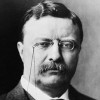
Patriotism means to stand by the country. It does not mean to stand by the President or any other public official save exactly to the degree in which he himself stands by the country. It is patriotic to support him in so far as he efficiently serves the country. It is unpatriotic not to oppose him to the exact extent that by inefficiency or otherwise he fails in his duty to stand by the country. In either event, it is unpatriotic not to tell the truth — whether about the President or about any one else.
Theodore Roosevelt (1858–1919) American politician, statesman, conservationist, writer; US President (1901–09)
Essay (1918-05), “Lincoln and Free Speech,” Metropolitan Magazine, Vol. 47, No. 6
(Source)
On war-time censorship by the Wilson Administration taken against critics of its handling of war efforts.
Reprinted in Appendix C of his The Great Adventure (1918), and as ch. 7 of that book in Vol. 21 of The Works of Theodore Roosevelt (1925), The Great Adventure.
See also Roosevelt and Roosevelt.
If there is one thing upon this earth that mankind love and admire better than another, it is a brave man — it is the man who dares to look the devil in the face and tell him he is a devil.
James A. Garfield (1831–1881) US President (1881), lawyer, lay preacher, educator
(Attributed)
(Source)
Quoted in The Phrenological Journal (Dec 1881).