When despair for the world grows in me
and I wake in the night at the least sound
in fear of what my life and my children’s lives may be,
I go and lie down where the wood drake
rests his beauty on the water, and the great heron feeds.
I come into the peace of wild things
who do not tax their lives with forethought
of grief. I come into the presence of still water.
And I feel above me the day-blind stars
waiting with their light. For a time
I rest in the grace of the world, and am free.Wendell Berry (b. 1934) American farmer, educator, poet, conservationist
Poem (1968-11), “The Peace of Wild Things,” Green River Review, Vol. 1, No. 1
(Source)
Collected in his Openings (1968).
Quotations about:
quiet
Note not all quotations have been tagged, so Search may find additional quotes on this topic.
If thou hast not Sense enough to speak, have Wit enough to hold thy tongue.
Age puzzles me. I thought it was a quiet time. My seventies were interesting and fairly serene, but my eighties are passionate. I grow more intense as I age.
Florida Scott-Maxwell (1883-1979) American-British playwright, author, psychologist
The Measure of My Days (1968)
(Source)
I never hear parents exclaim impatiently, “Children, you must not make so much noise,” that I do not think how soon the time may come when those parents would give all the world, could they hear once more the ringing laughter which once so disturbed them.
Abbott Eliot "A. E." Kittredge (1834-1912) American clergyman and Presbyterian leader
(Attributed)
Quoted in Josiah Hotchkiss Gilbert, Dictionary of Burning Words of Brilliant Writers (1895).

I like the silent church before the service begins, better than any preaching.
Ralph Waldo Emerson (1803-1882) American essayist, lecturer, poet
“Self-Reliance,” Essays: First Series (1841)
Tact teaches you when to be silent.
Benjamin Disraeli (1804-1881) English politician and author
Endymion, ch. 61 (1880)
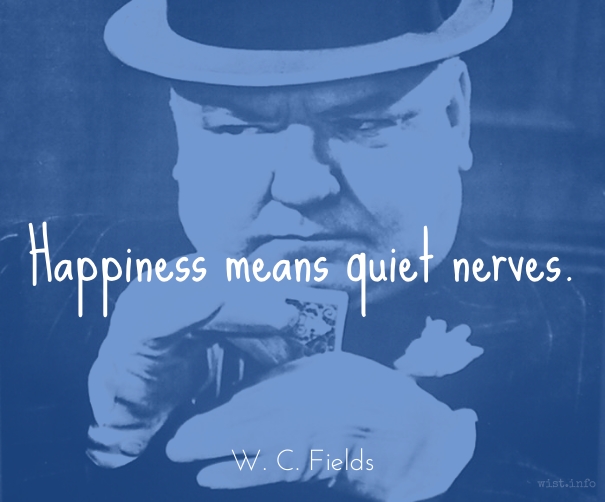
Happiness means quiet nerves.
W. C. Fields (1880-1946) American entertainer [b. William Claude Dukenfield]
(Attributed)
Quoted in Robert Lewis Taylor, W.C. Fields, His Follies and Fortunes (1949).
Your silence will not protect you.
Audre Lorde (1934-1992) American writer, feminist, civil rights activist
“The Transformation of Silence into Language and Action,” The Cancer Journals (1980)
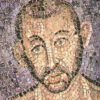
To avoid dissensions we should ever be on our guard, more especially with those who drive us to argue with them, with those who vex and irritate us, and who say things likely to excite us to anger. When we find ourselves in company with quarrelsome, eccentric individuals, people who openly and unblushingly say the most shocking things, difficult to put up with, we should take refuge in silence, and the wisest plan is not to reply to people whose behavior is so preposterous.
Those who insult us and treat us contumeliously are anxious for a spiteful and sarcastic reply: the silence we then affect disheartens them, and they cannot avoid showing their vexation; they do all they can to provoke us and to elicit a reply, but the best way to baffle them is to say nothing, refuse to argue with them, and to leave them to chew the cud of their hasty anger. This method of bringing down their pride disarms them, and shows them plainly that we slight and despise them.[Sed etiam ille cavendus; est, qui videri potest, quicumque inritat, quicumque incitat, quicumque exasperat, quicumque incentiva luxuriae aut libidinis suggerit. Quando ergo aliquis nobis convitiatur, lacessit, ad violentiam provocat, ad iurgium vocat: tunc silentium exerceamus, tunc muti fieri non erubescamus. Peccator est enim qui nos provocat, qui iniuriam facit et nos similes sui fieri desiderat.
Denique si taceas, si dissimules, solet dicere: Quid taces? Loquere, si audes; sed non audes, mutus es, elinguem te feci. Si ergo taceas, plus rumpitur; victum sese putat, inrisum, posthabitum atque inlusum.]Ambrose of Milan (339-397) Roman theologian, statesman, Christian prelate, saint, Doctor of the Church [Aurelius Ambrosius]
De Officiis Ministrorum [On the Duties of the Clergy], Book 1, ch. 5, sec. 17-18 (AD 386)
(Source)
(Source (Latin)). Other translation:But he also is to be shunned which is visible whosoever he be that provoketh, whosoever he be that inciteth, whosoever he be that exaspereth, whosoever he be that giveth the first breath, that suggesteth the first blast to kindle the coales to luxurie, and lustfulnesse. When some one therefore doth raile at us, doth vexe, provoke to violence, stirre up to wrath, then let us exercise silence; then let us not be ashamed to be dumbe.
For hee is a very sinfull wretch, that provoking, that offering injurie is desirous therein to make us like himselfe. To shut up the matter if thou holdest thy peace, if thou seemest not to regard whatsoever he speakes, he is wont to say, why art thou mute? speake if thou darest? but thou darest not, thou art put to a non-plus, I have made thee lose thy tongue; If therefore thou be silent he is more molested, and ready to breake with anger, because he thinkes himselfe overcome, skorned, deluded, and contemned.
[tr. Humfrey (1637)]
Silence is the unbearable repartee.
Gilbert Keith Chesterton (1874-1936) English journalist and writer
The Illustrated London News (30 Sep 1933)
How important are free speech and satire? Important enough that people will murder others to silence the kind of speech they don’t like.
Neil Gaiman (b. 1960) British author, screenwriter, fabulist
Twitter (7 Jan 2014)
(Source)
Regarding the mass murder at the Charlie Hebdo magazine in Paris.
It’s better to keep your mouth shut and appear stupid, than to open it and remove all doubt.
Mark Twain (1835-1910) American writer [pseud. of Samuel Clemens]
(Spurious)
This quotation, and close variants, are frequently attributed to Twain or Abraham Lincoln, but appears to have first been phrased this way by Maurice Switzer, Mrs. Goose, Her Book (1906):It is better to remain silent at the risk of being thought a fool, than to talk and remove all doubt of it.
Another point of origin is in the Bible, Proverbs 17:28:Even a fool, when he holdeth his peace, is counted wise: and he that shutteth his lips is esteemed a man of understanding.
In short, the sentiment is not new. See also See also Fuller, Franklin, Thomas a Kempis, and Wilson. For more discussion, see:
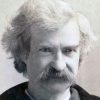
If everbuddy thought before they spoke ther wouldn’t be enough noise in this world t’ scare a jaybird.
[If everybody thought before they spoke there wouldn’t be enough noise in this world to scare a jaybird.]
Frank McKinney "Kin" Hubbard (1868-1930) American caricaturist and humorist
Abe Martin’s Almanack, “January” (1908)
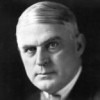
If you don’t say anything you won’t be asked to repeat yourself.
Calvin Coolidge (1872-1933) American lawyer, politician, US President (1925-29)
(Attributed)
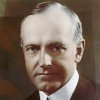
Men repent speaking ten times, for once that they repent keeping silence.
James Burgh (1714-1775) British politician and writer
The Dignity of Human Nature, Sec. 5 “Miscellaneous Thoughts on Prudence in Conversation” (1754)
(Source)
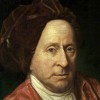
Lower your voice and strengthen your argument.
Proverbs, Sayings, and Adages
Lebanese proverb

As we must account for every idle Word, so must we likewise for every idle Silence.
Thomas Fuller (1654-1734) English physician, preacher, aphorist, writer
Introductio ad Prudentiam, Vol. 1, # 575 (1725)
(Source)
For, though the room was silent, the silence of half a hundred cats is a peculiar thing, like fifty individual silences all piled one on top of another.
Susanna Clarke (b. 1949) British author
Jonathan Strange and Mr. Norrell (2004)

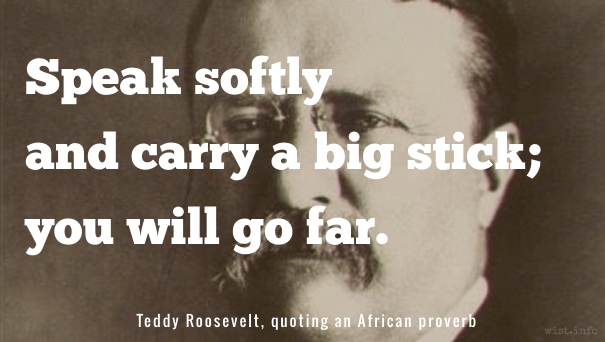
I have always been fond of the West African proverb “Speak softly and carry a big stick; you will go far.”
Theodore Roosevelt (1858–1919) American politician, statesman, conservationist, writer, US President (1901–1909)
Letter (1900-01-26) to Henry L. Sprague
(Source)
The letter to Sprague is is the first known use by Roosevelt of his future catch phrase. It attained more fame when he used it in a speech at the Minnesota State Fair (1901-09-02) (two versions found):There is a homely adage which runs "Speak softly and carry a big stick; you will go far." If the American nation will speak softly and yet build and keep at a pitch of highest training a thoroughly efficient Navy, the Monroe Doctrine will go far.
[Speech (1901-09-02), "A Nation of Pioneers," Minnesota State Fair, Minneapolis]A good many of you are probably acquainted with the old proverb "Speak softly and carry a big stick -- you will go far."
[Minneapolis Tribune (1901-09-03)]
Other significant references:Right here let me make as vigorous a plea as I know how in favor of saying nothing that we do not mean, and of acting without hesitation up to whatever we say. A good many of you are probably acquainted with the old proverb, 'Speak softly and carry a big stick -- you will go far.' If a man continually blusters, if he lacks civility, a big stick will not save him from trouble, and neither will speaking softly avail, if back of the softness there does not lie strength, power.
[Speech (1903-04-02), Chicago]One the main lessons to learn from this war is embodied in the homely proverb: "Speak softly and carry a big stick."
[America and the World War, ch. 2 "The Belgian Tragedy" (1915)]The only safe rule [in foreign policy] is to promise little, and faithfully keep to every promise; to "speak softly and carry a big stick."
[Theodore Roosevelt: An Autobiography, ch. 15 "The Peace of Righteousness" (1913)]
More discussion here:
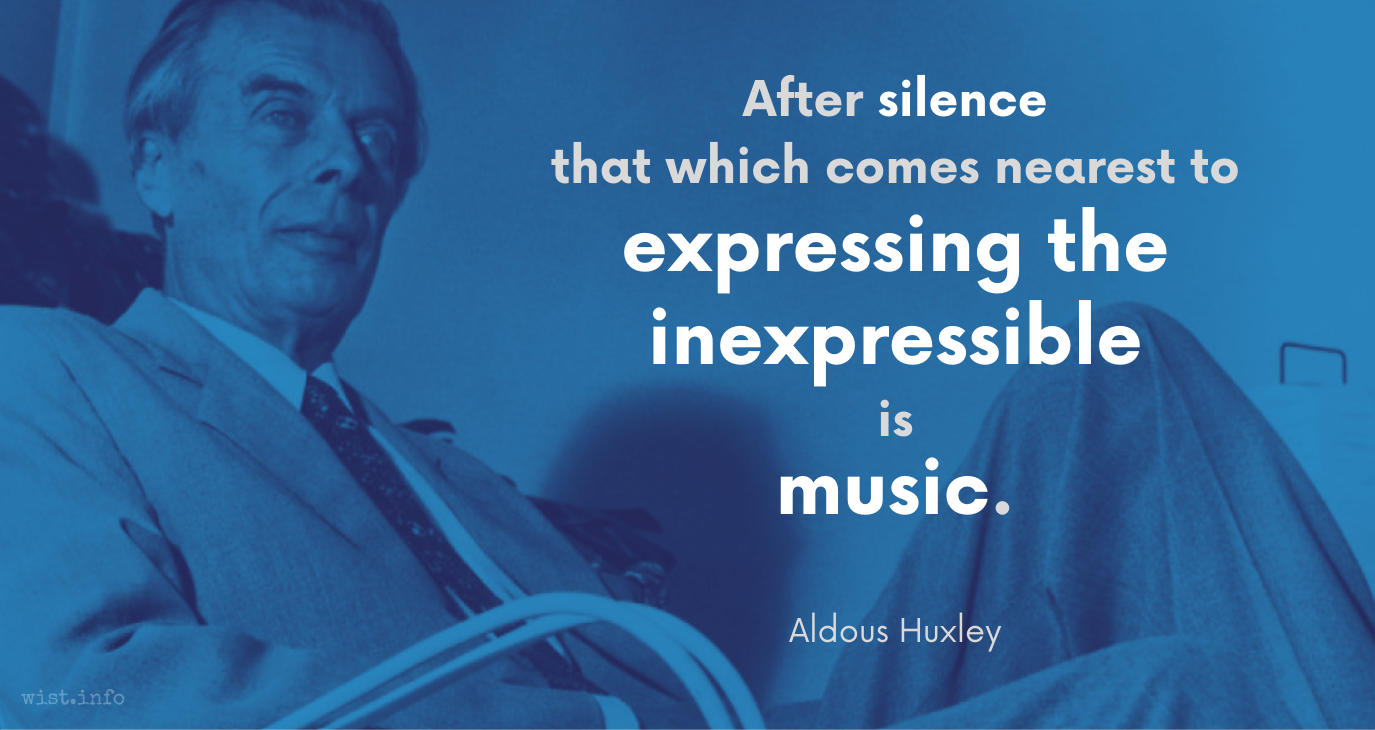
After silence that which comes nearest to expressing the inexpressible is music.
Aldous Huxley (1894-1963) English novelist, essayist and critic
“The Rest is Silence,” Music at Night and Other Essays (1931)
(Source)

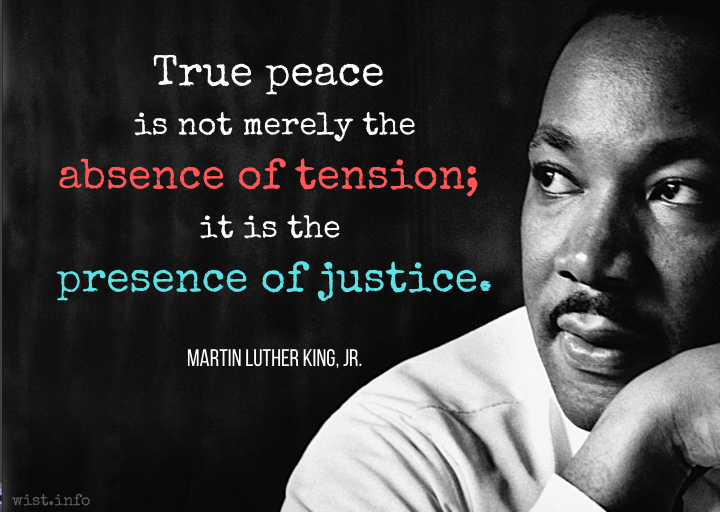
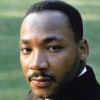
True peace is not merely the absence of tension; it is the presence of justice.
Martin Luther King, Jr. (1929-1968) American clergyman, civil rights leader, social activist, preacher
Stride Toward Freedom, ch. 2 “Montgomery Before the Protest” (1958)
(Source)
Response to a Montgomery resident who complained that race relations had been so "peaceful and harmonious" before King and other protesters arrived.
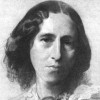
Blessed is the man who, having nothing to say, abstains from giving us wordy evidence of the fact.
George Eliot (1819-1880) English novelist [pseud. of Mary Ann Evans]
The Impressions of Theophrastus Such, ch. 4 (1879)
(Source)
The lust for comfort, that stealthy thing that enters the house a guest, and then becomes a host, and then a master. […] Verily the lust for comfort murders the passion of the soul, and then walks grinning in the funeral.
Kahlil Gibran (1883-1931) Lebanese-American poet, writer, painter [Gibran Khalil Gibran]
The Prophet, “On Houses” (1923)
(Source)