

‘Tis in the Power of Providence to humble the Pride of the Mighty, even by the most despicable Means. Wherefore be thou never so great, or never so little, presume not on the one side, nor despair on the other.
Thomas Fuller (1654-1734) English physician, preacher, aphorist, writer
Introductio ad Prudentiam, Vol. 2, # 2524 (1727)
(Source)
Quotations about:
divine retribution
Note not all quotations have been tagged, so Search may find additional quotes on this topic.

There was another man, however, called Ananias. He and his wife, Sapphira, agreed to sell a property; but with his wife’s connivance he kept back part of the proceeds, and brought the rest and presented it to the apostles.
“Ananias,” Peter said “how can Satan have so possessed you that you should lie to the Holy Spirit and keep back part of the money from the land? While you still owned the land, wasn’t it yours to keep, and after you had sold it wasn’t the money yours to do with as you liked? What put this scheme into your mind? It is not to men that you have lied, but to God.”
When he heard this Ananias fell down dead. This made a profound impression on everyone present.[Ἀνὴρ δέ τις Ἁνανίας ὀνόματι σὺν Σαπφίρῃ τῇ γυναικὶ αὐτοῦ ἐπώλησεν κτῆμα καὶ ἐνοσφίσατο ἀπὸ τῆς τιμῆς, συνειδυίης καὶ τῆς γυναικός, καὶ ἐνέγκας μέρος τι παρὰ τοὺς πόδας τῶν ἀποστόλων ἔθηκεν.
εἶπεν δὲ ὁ Πέτρος, Ἁνανία, διὰ τί ἐπλήρωσεν ὁ Σατανᾶς τὴν καρδίαν σου, ψεύσασθαί σε τὸ πνεῦμα τὸ ἅγιον καὶ νοσφίσασθαι ἀπὸ τῆς τιμῆς τοῦ χωρίου; οὐχὶ μένον σοὶ ἔμενεν καὶ πραθὲν ἐν τῇ σῇ ἐξουσίᾳ ὑπῆρχεν; τί ὅτι ἔθου ἐν τῇ καρδίᾳ σου τὸ πρᾶγμα τοῦτο; οὐκ ἐψεύσω ἀνθρώποις ἀλλὰ τῷ θεῷ.
ἀκούων δὲ ὁ Ἁνανίας τοὺς λόγους τούτους πεσὼν ἐξέψυξεν, καὶ ἐγένετο φόβος μέγας ἐπὶ πάντας τοὺς ἀκούοντας.]The Bible (The New Testament) (AD 1st - 2nd C) Christian sacred scripture
Acts 5: 1-5 [JB (1966)]
(Source)
In verses 6-11, Peter asks Sapphira about the proceeds, and she backs Ananias' story, at which point, confronted with the truth, she drops dead, too, also impressing everyone present.
(Source (Greek)). Alternate translations:But a certain man named Ananias, with Sapphira his wife, sold a possession, and kept back part of the price, his wife also being privy to it, and brought a certain part, and laid it at the apostles’ feet.
But Peter said, Ananias, why hath Satan filled thine heart to lie to the Holy Ghost, and to keep back part of the price of the land? Whiles it remained, was it not thine own? and after it was sold, was it not in thine own power? why hast thou conceived this thing in thine heart? thou hast not lied unto men, but unto God.
And Ananias hearing these words fell down, and gave up the ghost: and great fear came on all them that heard these things.
[KJV (1611)]There was also a man called Ananias. He and his wife, Sapphira, agreed to sell a property; but with his wife's connivance he kept back part of the price and brought the rest and presented it to the apostles.
Peter said, 'Ananias, how can Satan have so possessed you that you should lie to the Holy Spirit and keep back part of the price of the land? While you still owned the land, wasn't it yours to keep, and after you had sold it wasn't the money yours to do with as you liked? What put this scheme into your mind? You have been lying not to men, but to God.'
When he heard this Ananias fell down dead. And a great fear came upon everyone present.
[NJB (1985)]But there was a man named Ananias, who with his wife Sapphira sold some property that belonged to them. But with his wife's agreement he kept part of the money for himself and turned the rest over to the apostles.
Peter said to him, “Ananias, why did you let Satan take control of you and make you lie to the Holy Spirit by keeping part of the money you received for the property? Before you sold the property, it belonged to you; and after you sold it, the money was yours. Why, then, did you decide to do such a thing? You have not lied to people -- you have lied to God!”
As soon as Ananias heard this, he fell down dead; and all who heard about it were terrified.
[GNT (1992 ed.)]However, a man named Ananias, along with his wife Sapphira, sold a piece of property. With his wife’s knowledge, he withheld some of the proceeds from the sale. He brought the rest and placed it in the care and under the authority of the apostles.
Peter asked, “Ananias, how is it that Satan has influenced you to lie to the Holy Spirit by withholding some of the proceeds from the sale of your land? Wasn’t that property yours to keep? After you sold it, wasn’t the money yours to do with whatever you wanted? What made you think of such a thing? You haven’t lied to other people but to God!”
When Ananias heard these words, he dropped dead. Everyone who heard this conversation was terrified.
[CEB (2011)]But a man named Ananias, with the consent of his wife Sapphira, sold a piece of property; with his wife’s knowledge, he kept back some of the proceeds and brought only a part and laid it at the apostles’ feet.
“Ananias,” Peter asked, “why has Satan filled your heart to lie to the Holy Spirit and to keep back part of the proceeds of the land? While it remained unsold, did it not remain your own? And after it was sold, were not the proceeds at your disposal? How is it that you have contrived this deed in your heart? You did not lie to us but to God!”
Now when Ananias heard these words, he fell down and died. And great fear seized all who heard of it.
[NRSV (2021 ed.)]
ORESTES: I’ll go. I’ll start to do this dreadful thing, this horror. Yes, I will. If it’s the gods’ will, I’ll do it. But I take no joy in it.
[ὈΡΈΣΤΗΣ: ἔσειμι: δεινοῦ δ᾽ ἄρχομαι προβλήματος
καὶ δεινὰ δράσω γε — εἰ θεοῖς δοκεῖ τάδε,
ἔστω: πικρὸν δὲ χἡδὺ τἀγώνισμά μοι.]Euripides (485?-406? BC) Greek tragic dramatist
Electra [Ἠλέκτρα], l. 985ff (c. 420 BC) [tr. Wilson (2016)]
(Source)
Orestes going to kill his mother, Clytemnestra, who was, along with the already-killed Aegisthus, the murderer of his father, Agamemnon.
Interestingly, earlier translations have him characterize the task as both bitter and sweet; later ones only speak of its bitterness.
(Source (Greek)). Alternate translations:I go in.
Tho' I am entering on a deed that's fraught
With horror, I will execute the deed;
Thus let it be, if thus the righteous Gods
Ordain: altho' this conflict to my soul
At the same time be bitter, and yet sweet.
[tr. Wodhull (1809)]I will go in; it is a dreadful task I am beginning and I will do dreadful things. If the gods approve, let it be; to me the contest is bitter and also sweet.
[tr. Coleridge (1891)]I will enter in; but I am beginning a dreadful attempt. Ay, and I shall do dreadful things; but if this seems fit to the Gods, let it be; but the contest is for me [at once] bitter and sweet.
[tr. Buckley (1892)]I will go in. A horror I essay!
Yea, horrors will achieve! If this please Heaven,
So be it. Bitter strife, yet sweet, for me.
[tr. Way (1896)]Aye. So be it. -- I have ta'en
A path of many terrors: and shall do
Deeds horrible. 'Tis God will have it so. ...
Is this the joy of battle, or wild woe?
[tr. Murray (1905)]I will go in; 'tis an awful task I undertake; an awful deed I have to do; still if it is Heaven's will, be it so; I loathe and yet I love the enterprise.
[tr. Coleridge (1938 ed.)]Fine. I am going inside. Terrible the deed I shall begin and frightening the deeds I shall accomplish. If this is liked by the gods then so be it. My battle is bitter, not sweet.
[tr. Theodoridis (2006)]I’ll go in.
I’m on the verge of a horrendous act,
something truly dreadful. Well, so be it,
if gods approve of this. And yet, for me
the contest is not sweet at all, but bitter.
[tr. Johnston (2009)]
But I’d sooner have the depths of earth gape open,
and almighty Father hurl me down to Hades
with his bolt, to the pallid shades and inky night,
before I disobey my conscience or its laws.[Sed mihi vel tellus optem prius ima dehiscat
Vel pater omnipotens adigat me fulmine ad umbras,
Pallentis umbras Erebo noctemque profundam,
Ante, pudor, quam te violo aut tua iura resolvo.]Virgil (70-19 BC) Roman poet [b. Publius Vergilius Maro; also Vergil]
The Aeneid [Ænē̆is], Book 4, l. 24ff (4.24-29) [Dido] (29-19 BC) [tr. Bartsch (2021)]
(Source)
Dido, regarding her loyalty to her dead husband even as she falls in love with Aeneas.
(Source (Latin)). Alternate translations:But first earth swallow me, or mighty Jove
Shall to the shades with dreadfull thunder smite,
Pale shades of Erebus and deepest night,
Ere shame I violate thee, or wrong thy rites.
[tr. Ogilby (1649)]But first let yawning earth a passage rend,
And let me thro' the dark abyss descend;
First let avenging Jove, with flames from high,
Drive down this body to the nether sky,
Condemn'd with ghosts in endless night to lie,
Before I break the plighted faith I gave!
[tr. Dryden (1697)]But sooner may earth from her lowest depths yawn for me, or the almighty Sire hurl me by his thunder to the shades, the pale shades of Erebus and deep night, than I violate thee, modesty, or break they laws.
[tr. Davidson/Buckley (1854)]But first for me may Earth unseal
The horrors of her womb,
Or Jove with awful thunderpeal
Dismiss me into gloom,
The gloom of Orcus' dim twilight,
Or deeper still, primeval night,
Ere wound I thee, my woman's fame,
Or disallow thy sacred claim.
[tr. Conington (1866)]But I would rather that the steadfast earth
Should yawn beneath me, from its lowest depths,
Or the Omnipotent Father hurl me down
With thunder to the shades, the pallid shades
Of Erebus, and night profound, ere thee,
O sacred shame, I violate, or break
Thy laws.
[tr. Cranch (1872)]But rather, I pray, may earth first yawn deep for me, or the Lord omnipotent hurl me with his thunderbolt into gloom, the pallid gloom and profound night of Erebus, ere I soil thee, mine honour, or unloose thy laws.
[tr. Mackail (1885)]And yet I pray the deeps of earth beneath my feet may yawn,
I pray the Father send me down bolt-smitten to the shades,
The pallid shades of Erebus, the night that never fades,
Before, O Shame, I shame thy face, or loose what thou hast tied!
[tr. Morris (1900)]But O! gape Earth, or may the Sire of might
Hurl me with lightning to the Shades amain,
Pale shades of Erebus and abysmal Night,
Ere, wifely modesty, thy name I stain,
Or dare thy sacred precepts to profane.
[tr. Taylor (1907), st. 4, l. 28ff]But may the earth gape open where I tread,
and may almighty Jove with thunder-scourge
hurl me to Erebus' abysmal shade,
to pallid ghosts and midnight fathomless,
before, O Chastity! I shall offend
thy holy power, or cast thy bonds away!
[tr. Williams (1910)]But rather, I would pray, may earth yawn for me to its depths, or may the Almighty Father hurl me with his bolt to the shades -- the pale shades and abysmal night of Erebus -- before, O Shame, I violate thee or break thy laws!
[tr. Fairclough (1916)]But I pray, rather,
That earth engulf me, lightning strike me down
To the pale shades and everlasting night
Before I break the laws of decency.
[tr. Humphries (1951)]But no, I would rather the earth should open and swallow me
Or the Father of heaven strike me with lightning down to the shades --
The pale shades and deep night of the Underworld -- before
I violate or deny pure widowhood's claim upon me.
[tr. Day Lewis (1952)]But I should call upon the earth to gape
and close above me, or on the almighty
Father to take his thunderbolt, to hurl
me down to the shades, the pallid shadows
and deepest night of Erebus, before
I'd violate you, Shame, or break your laws!
[tr. Mandelbaum (1971)]But O chaste life, before I break your laws,
I pray that Earth may open, gape for me
Down to its depth, or the omnipotent
With one stroke blast me to the shades, pale shades
Of Erebus and the deep world of night!
[tr. Fitzgerald (1981)]But I would pray that the earth open to its depths and swallow me or that the All-powerful Father of the Gods blast me with his thunderbolt and hurl me down to the pale shades of Erebus and its bottomless night before I go against my conscience and rescind its laws.
[tr. West (1990)]But I pray rather that earth might gape wide for me, to its depths,
or the all-powerful father hurl me with his lightning-bolt
down to the shadows, to the pale ghosts, and deepest night
of Erebus, before I violate you, Honour, or break your laws.
[tr. Kline (2002)]But may the earth gape open and swallow me,
May the Father Almighty blast me
Down to the shades of Erebus below
And Night profound, before I violate you,
O Modesty, and break your vows.
[tr. Lombardo (2005)]I pray that the earth gape deep enough to take me down
or the almighty Father blast me with one bolt to the shades,
the pale, glimmering shades in hell, the pit of night,
before I dishonor you, my conscience, break your laws.
[tr. Fagles (2006), l. 30ff]
Wisdom is by far the greatest part of joy,
and reverence toward the gods must be safeguarded.
The mighty words of the proud are paid in full
with mighty blows of fate, and at long last
those blows will teach us wisdom.[πολλῷ τὸ φρονεῖν εὐδαιμονίας
πρῶτον ὑπάρχει. χρὴ δὲ τά γ᾽ εἰς θεοὺς
μηδὲν ἀσεπτεῖν. μεγάλοι δὲ λόγοι
μεγάλας πληγὰς τῶν ὑπεραύχων
ἀποτίσαντες
γήρᾳ τὸ φρονεῖν ἐδίδαξαν.]Sophocles (496-406 BC) Greek tragic playwright
Antigone, l. 1348ff [Chorus] (441 BC) [tr. Fagles (1982), l. 1466ff]
(Source)
Final lines of the play. Original Greek. Alternate translations:Wisdom is first of the gifts of good fortune:
'Tis a duty, to be sure, the rites of the Gods
Duly to honor: but words without measure, the
Fruit of vain-glory, in woes without number their
Recompense finding,
Have lesson'd the agéd in wisdom.
[tr. Donaldson (1848)]Of happiness the chiefest part
Is a wise heart:
And to defraud the gods in aught
With peril's fraught.
Swelling words of high-flown might
Mightily the gods do smite.
Chastisement for errors past
Wisdom brings to age at last.
[tr. Storr (1859)]Wise conduct hath command of happiness
Before all else, and piety to Heaven
Must be preserved. High boastings of the proud
Bring sorrow to the height to punish pride: --
A lesson men shall learn when they are old.
[tr. Campbell (1873)]Wisdom is provided as the chief part of happiness, and our dealings with the gods must be in no way unholy. The great words of arrogant men have to make repayment with great blows, and in old age teach wisdom.
[tr. Jebb (1891)]Wisdom alone is man's true happiness.
We are not to dispute the will of heaven;
For ever are the boastings of the proud
By the just gods repaid, and man at last
Is taught to fear their anger and be wise.
[tr. Werner (1892)]Wisdom is the supreme part of happiness; and reverence towards the gods must be inviolate. Great words of prideful men are ever punished with great blows, and, in old age, teach the chastened to be wise.
[tr. Jebb (1917)]There is no happiness where there is no wisdom;
No wisdom but in submission to the gods.
Big words are always punished
And proud men in old age learn to be wise.
[tr. Fitts/Fitzgerald (1939), l. 1039ff]Of happiness the crown
And chiefest part
Is wisdom, and to hold
The gods in awe.
This is the law
That, seeing the stricken heart
Of pride brought down,
We learn when we are old.
[tr. Watling (1947), Exodos, l. 1027ff]Our happiness depends
on wisdom all the way.
The gods must have their due.
Great words by men of pride
bring greater blows upon them.
So wisdom comes to the old.
[tr. Wyckoff (1954)]Of happiness, far the greatest part is wisdom,
and reverence towards the gods.
Proud words of arrogant man, in the end,
Meet punishment, great as his pride was great,
Till at last he is schooled in wisdom.
[tr. Kitto (1962)]Wisdom is supreme for a blessed life,
And reference for the gods
Must never cease. Great words, sprung from arrogance.
Are punished by great blows.
So it is one learns, in old age, to be wise.
[tr. Woodruff (2001)]By far is having sense the first part
of happiness. One must not act impiously toward
what pertains to gods. Big words
of boasting men,
paid for by big blows,
teach having sense in old age.
[tr. Tyrell/Bennett (2002)]The most important thing in man’s happiness is good judgement and he must not treat with disdain the works of the gods.
The arrogant pay for their big proud words with great downfalls and it’s only then, in their old age that they gain wisdom!
[tr. Theodoridis (2004)]The most important part of true success
is wisdom -- not to act impiously
towards the gods, for boasts of arrogant men
bring on great blows of punishment --
so in old age men can discover wisdom.
[tr. Johnston (2005)]Knowledge truly is by far the most important part of happiness, but one must neglect nothing that the gods demand. Great words of the over-proud balanced by great falls taught us knowledge in our old age.
[tr. Thomas (2005)]
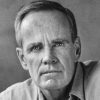
I’ve seen the meanness of humans till I don’t know why God ain’t put out the sun and gone away.
Cormac McCarthy (1933-2023) American novelist, playwright, screenwriter
Outer Dark, ch. 17 (1968)
(Source)
If Allah took mankind to task by that which they deserve, He would not leave a living creature on the surface of the earth.
Muhammad (AD c. 570-632) Arab religious, military, and political leader; founder of Islam [Mohammed, مُحَمَّد]
Qur’an, 35.45 (AD 670?) [tr. Pickthall (1953)]

When the gods wish to punish us, they answer our prayers.
Oscar Wilde (1854-1900) Irish poet, wit, dramatist
An Ideal Husband, Act 2 (1895)

Beloved, never avenge yourselves, but leave room for the wrath of God, for it is written, “Vengeance is mine; I will repay, says the Lord.” Instead, “if your enemies are hungry, feed them; if they are thirsty, give them something to drink, for by doing this you will heap burning coals on their heads.” Do not be overcome by evil, but overcome evil with good.
[μὴ ἑαυτοὺς ἐκδικοῦντες, ἀγαπητοί, ἀλλὰ δότε τόπον τῇ ὀργῇ, γέγραπται γάρ, ” Ἐμοὶ ἐκδίκησις, ἐγὼ ἀνταποδώσω,” λέγει κύριος. ἀλλ᾽ ” ἐὰν πεινᾷ ὁ ἐχθρός σου, ψώμιζε αὐτόν· ἐὰν διψᾷ, πότιζε αὐτόν· τοῦτο γὰρ ποιῶν ἄνθρακας πυρὸς σωρεύσεις ἐπὶ τὴν κεφαλὴν αὐτοῦ.” μὴ νικῶ ὑπὸ τοῦ κακοῦ ἀλλὰ νίκα ἐν τῷ ἀγαθῷ τὸ κακόν.]
The Bible (The New Testament) (AD 1st - 2nd C) Christian sacred scripture
Romans 12: 19-21 [NRSV (2021 ed.)]
(Source)
The two passages quoted are Deut. 32:35 and Proverbs 25:21-22.
(Source (Greek)). Alternate translations:Dearly beloved, avenge not yourselves, but rather give place unto wrath: for it is written, Vengeance is mine; I will repay, saith the Lord. Therefore if thine enemy hunger, feed him; if he thirst, give him drink: for in so doing thou shalt heap coals of fire on his head. Be not overcome of evil, but overcome evil with good.
[KJV (1611)]Never try to get revenge; leave that, my friends, to God's anger. As scripture says: vengeance is mine - I will pay them back, the Lord promises. But there is more: If your enemy is hungry, you should give him food, and if he is thirsty, let him drink. Thus you heap red-hot coals on his head. Resist evil and conquer it with good.
[JB (1966)]Never try to get revenge: leave that, my dear friends, to the Retribution. As scripture says: Vengeance is mine -- I will pay them back, the Lord promises. And more: If your enemy is hungry, give him something to eat; if thirsty, something to drink. By this, you will be heaping red-hot coals on his head. Do not be mastered by evil, but master evil with good.
[NJB (1985)]Never take revenge, my friends, but instead let God's anger do it. For the scripture says, “I will take revenge, I will pay back, says the Lord.” Instead, as the scripture says: “If your enemies are hungry, feed them; if they are thirsty, give them a drink; for by doing this you will make them burn with shame.” Do not let evil defeat you; instead, conquer evil with good.
[GNT (1992 ed.)]Don’t try to get revenge for yourselves, my dear friends, but leave room for God’s wrath. It is written, Revenge belongs to me; I will pay it back, says the Lord. Instead, If your enemy is hungry, feed him; if he is thirsty, give him a drink. By doing this, you will pile burning coals of fire upon his head. Don’t be defeated by evil, but defeat evil with good.
[CEB (2011)]
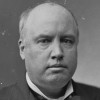
Is it possible that an infinite Deity is unwilling that a man should investigate the phenomena by which he is surrounded? Is it possible that a god delights in threatening and terrifying men? What glory, what honor and renown a god must win on such a field! The ocean raving at a drop; a star envious of a candle; the sun jealous of a fire-fly.
Robert Green Ingersoll (1833-1899) American lawyer, freethinker, orator
Lecture (1874-05-03), “Heretics and Heresies,” Free Religious Society, Kingsbury Hall, Chicago
(Source)
Collected in The Gods and Other Lectures (1876).
As the time drew near when Jesus would be taken up to heaven, he made up his mind and set out on his way to Jerusalem. He sent messengers ahead of him, who went into a village in Samaria to get everything ready for him. But the people there would not receive him, because it was clear that he was on his way to Jerusalem.
When the disciples James and John saw this, they said, “Lord, do you want us to call fire down from heaven to destroy them?”
Jesus turned and rebuked them. Then Jesus and his disciples went on to another village.[Ἐγένετο δὲ ἐν τῷ συμπληροῦσθαι τὰς ἡμέρας τῆς ἀναλήμψεως αὐτοῦ καὶ αὐτὸς τὸ πρόσωπον ἐστήρισεν τοῦ πορεύεσθαι εἰς Ἰερουσαλήμ. καὶ ἀπέστειλεν ἀγγέλους πρὸ προσώπου αὐτοῦ. καὶ πορευθέντες εἰσῆλθον εἰς κώμην Σαμαριτῶν ὡς ἑτοιμάσαι αὐτῷ· καὶ οὐκ ἐδέξαντο αὐτόν, ὅτι τὸ πρόσωπον αὐτοῦ ἦν πορευόμενον εἰς Ἰερουσαλήμ.
ἰδόντες δὲ οἱ μαθηταὶ Ἰάκωβος καὶ Ἰωάννης εἶπαν, Κύριε, θέλεις εἴπωμεν πῦρ καταβῆναι ἀπὸ τοῦ οὐρανοῦ καὶ ἀναλῶσαι αὐτούς;
στραφεὶς δὲ ἐπετίμησεν αὐτοῖς. καὶ ἐπορεύθησαν εἰς ἑτέραν κώμην.]The Bible (The New Testament) (AD 1st - 2nd C) Christian sacred scripture
Luke 9: 51-56 [GNT (1992 ed.)]
(Source)
No Synoptic parallels. Only Luke and John (John 9:4-42) mention Jesus preaching in Samaritan lands. In Matthew 10:5, the disciples are explicitly warned not to enter Samaritan towns.
The primary outward dispute between the Samaritans and the Jews was (and is) over the former's venerating Mount Gerizim and the latter Jerusalem as the holiest site, each claiming the location for where the Binding of Isaac occurred. A pilgrim passing through Samaria headed for Jerusalem would not receive a warm welcome.
The GNT, NRSV, and NIV note that in some manuscripts, John and James recommend calling down fire to destroy them "as Elijah did" (2 Kings 1:10). The GNT and NRSV note some manuscripts give Jesus' actual rebuke: "You don't know what kind of a Spirit you belong to; for the Son of Man did not come to destroy human lives, but to save them." Both additional texts were included in the KJV.
(Source (Greek)). Alternate translations:And it came to pass, when the time was come that he should be received up, he steadfastly set his face to go to Jerusalem, and sent messengers before his face: and they went, and entered into a village of the Samaritans, to make ready for him. And they did not receive him, because his face was as though he would go to Jerusalem.
And when his disciples James and John saw this, they said, Lord, wilt thou that we command fire to come down from heaven, and consume them, even as Elias did?
But he turned, and rebuked them, and said, Ye know not what manner of spirit ye are of. For the Son of man is not come to destroy men’s lives, but to save them. And they went to another village.
[KJV (1611)]Now as the time drew near for him to be taken up to heaven, he resolutely took the road for Jerusalem and sent messengers ahead of him. These set out, and they went into a Samaritan village to make preparations for him, but the people would not receive him because he was making for Jerusalem.
Seeing this, the disciples James and John said, "Lord, do you want us to call down fire from heaven to burn them up?"
But he turned and rebuked them, and they went off to another village.
[JB (1966)]Now it happened that as the time drew near for him to be taken up, he resolutely turned his face towards Jerusalem and sent messengers ahead of him. These set out, and they went into a Samaritan village to make preparations for him, but the people would not receive him because he was making for Jerusalem.
Seeing this, the disciples James and John said, "Lord, do you want us to call down fire from heaven to burn them up?"
But he turned and rebuked them, and they went on to another village.
[NJB (1985)]As the time approached when Jesus was to be taken up into heaven, he determined to go to Jerusalem. He sent messengers on ahead of him. Along the way, they entered a Samaritan village to prepare for his arrival, but the Samaritan villagers refused to welcome him because he was determined to go to Jerusalem.
When the disciples James and John saw this, they said, “Lord, do you want us to call fire down from heaven to consume them?”
But Jesus turned and spoke sternly to them, and they went on to another village.
[CEB (2011)]As the time approached for him to be taken up to heaven, Jesus resolutely set out for Jerusalem. And he sent messengers on ahead, who went into a Samaritan village to get things ready for him; but the people there did not welcome him, because he was heading for Jerusalem.
When the disciples James and John saw this, they asked, “Lord, do you want us to call fire down from heaven to destroy them?”
But Jesus turned and rebuked them, and they went to another village.
[NIV (2011 ed.)]When the days drew near for him to be taken up, he set his face to go to Jerusalem. And he sent messengers ahead of him. On their way they entered a village of the Samaritans to prepare for his arrival, but they did not receive him because his face was set toward Jerusalem.
When his disciples James and John saw this, they said, “Lord, do you want us to command fire to come down from heaven and consume them?”
But he turned and rebuked them. Then they went on to another village.
[NRSV (2021 ed.)]