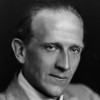
And certainly a wise man never loses anything if he has himself.
[Certes l’homme d’entendement n’a rien perdu, s’il a soy-mesme.]
Michel de Montaigne (1533–1592) French essayist
Essays, Book 1, ch. 38 (1.38)), “Of Solitude [De la solitude]” (1572) [tr. Cotton/Hazlitt (1877)]
(Source)
This essay and passage were in the 1st (1580) edition. Some translators use the 1588 sequence of chapters, not the 1595, and so identify this as ch. 39.
(Source (French)). Other translations:Verily, a man of understanding hath lost nothing, if he yet have himselfe.
[tr. Florio (1603)]And certainly a wise man loses nothing, if he save but himself.
[tr. Cotton (1686)]Surely the wise man has lost nothing if he has himself.
[tr. Ives (1925), 1.39]Certainly a man of understanding has lost nothing, if he has himself.
[tr. Frame (1943), 1.39]Certainly, if he still has himself, a man of understanding has lost nothing.
[tr. Screech (1987), 1.39]Certainly a man of discernment has lost nothing if he has himself.
[tr. Atkinson/Sices (2012)]
Quotations about:
self-regard
Note not all quotations have been tagged, so Search may find additional quotes on this topic.

It is the business of this life to make excuses for others, but none for ourselves. We should be clearly persuaded of our own misconduct, for that is the part of knowledge in which we are most apt to be defective.
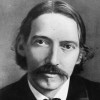
Robert Louis Stevenson (1850–1894) Scottish essayist, novelist, poet
Essay (1880-01/02?), “Reflections and Remarks on Human Life,” § 1.1 “Justice and Justification”
(Source)
A collection of aphorisms and musings, first published in the Edinburgh Edition of his Works, vol. 28 (1898).
There is another kind of “glory”: conceiving too high an opinion of our worth. This is an undeserved feeling by which we value ourselves, and that makes us think ourselves different than we are, just as the passion of love lends beauties and graces to the object it embraces and makes those smitten by it — with their judgment blurred and altered — find what they love different, and more perfect, than it is.
[Il y a une autre sorte de gloire, qui est une trop bonne opinion, que nous concevons de nostre valeur. C’est un’affection inconsideree, dequoy nous nous cherissons, qui nous represente à nous mesmes, autres que nous ne sommes. Comme la passion amoureuse preste des beautez, & des graces, au subject qu’elle embrasse ; & fait que ceux qui en sont espris, trouvent d’un jugement trouble & alteré, ce qu’ils aiment, autre & plus parfait qu’il n’est.]
Michel de Montaigne (1533–1592) French essayist
Essays, Book 2, ch. 17 (2.17), “Of Presumption [De la Presomption]” (1578) [tr. Atkinson/Sices (2012)]
(Source)
This essay and passage were in the 1st (1580) edition.
(Source (French)). Other translations:There is another kinde of glorie, which is an over-good opinion we conceive of our worth. It is an inconsiderate affection, wherewith wee cherish our selves, which presents-us unto our selves other then wee are. As an amorous passion addeth beauties, and lendeth graces to the subject it embraceth, and maketh such as are therewith possessed, with a troubled conceite, and distracted Judgement, to deeme what they love, and finde what they affect, to bee other, and seeme more perfect, then in trueth it is. [tr. Florio (1603)]There is another sort of glory, which is the having too good an opinion of our own merit. It is an inconsiderate affection, with which we flatter ourselves, and that represents us to ourselves other than what we truly are: like the passion of love, that lends beauties and graces to the object of it; and makes those who are caught with it, by a depraved and corrupt judgment, consider the thing they love other and more perfect than it is.
[tr. Cotton (1686)]There is another sort of glory, which is the having too good an opinion of our own worth. ’Tis an inconsiderate affection with which we flatter ourselves, and that represents us to ourselves other than we truly are: like the passion of love, that lends beauties and graces to the object, and makes those who are caught by it, with a depraved and corrupt judgment, consider the thing which they love other and more perfect than it is.
[tr. Cotton/Hazlitt (1877)]There is another sort of glory, which is a too high opinion that we conceive of our worth. It is an ill-advised affection with which we flatter ourselves, which represents us to ourselves other than we are; as amourous passion lends beauties and charms to that which it embraces, and causes those who are possessed by it, their judgement being disturbed and diverted, to deem what they love different from what it is, and more perfect.
[tr. Ives (1925)]There is another sort of glory, which is to have too good an opinion of our own worth. It is an unthinking affection with which we flatter ourselves, that represents us to ourselves other than we truly are: like the passion of love, that lends beauties and charms to the object it embraces, and makes those who are possessed by it, with a troubled and corrupt judgment, consider the thing they love other and more perfect than it is.
[tr. Zeitlin (1934)]There is another kind of vainglory, which is an over-good opinion we form of our own worth. It is an unreasoning affection, by which we cherish ourselves, which represents us to ourselves as other than we are; as the passion of love lends beauties and graces to the object it embraces, and makes its victims, with muddled and unsettled judgment, think that what they love is other and more perfect than it is.
[tr. Frame (1943)]There is another kind of glory, which is to have too good an opinion of our own worth. It is an unthinking affection with which we flatter ourselves, and which presents us to ourselves as other than we are; just as the passion of love lends beauties and charms to the object it embraces in such a way that the love's judgement is troubled and distracted, and he finds the lady he loves other and more perfect than she is.
[tr. Cohen (1958)]There is another kind of "glory": the over-high opinion we conceive of our own worth. It is an imprudent affection by which we hold our own self dear, presenting ourself to ourself other than we are, just as passionate love lends grace and beauty to the person it embraces and leads to those who are enraptured by it being disturbed and confused in their judgement, so finding their Beloved other than she is, and more perfect.
[tr. Screech (1987)]
If we did not flatter ourselves, the flattery of others could do us no harm.
[Si nous ne nous flattions point nous-mêmes, la flatterie des autres ne nous pourroit nuire.]
François VI, duc de La Rochefoucauld (1613–1680) French epigrammatist, memoirist, noble
Réflexions ou sentences et maximes morales [Reflections; or Sentences and Moral Maxims], ¶152 (1665-1678) [tr. Kronenberger (1959)]
(Source)
Present in the 1st (1665) edition, where it ended with "... ne nous feroit jamais de mal." See also maxim ¶158.
(Source (French)). Other translations:If we did not Flatter our selves, all the Flatteries of other People could never hurt us.
[tr. Stanhope (1694), ¶153]Did we not flatter ourselves, the flattery of others could never hurt us.
[pub. Donaldson (1783), ¶144; ed. Lepoittevin-Lacroix (1797), ¶146]Were we not to flatter ourselves, the flattery of others would never hurt us.
[ed. Carvill (1835), ¶127]If we did not flatter ourselves, the flattery of others would be very harmless.
[ed. Gowens (1851), ¶155]If we never flattered ourselves the flattery of others would not hurt us.
[tr. Bund/Friswell (1871), ¶152]Did we not flatter ourselves, the flattery of others could not harm us.
[tr. Heard (1917), ¶152]Flattery would do us no harm if we did not flatter ourselves.
[tr. Stevens (1939), ¶152]If we never flattered ourselves, we would be immune to the flattery of others
[tr. FitzGibbon (1957), ¶152]If we never flattered ourselves the flattery of others could do us no harm.
[tr. Tancock (1959), ¶152]If we did not flatter ourselves, the flattery of others could never harm us.
[tr. Whichello (2016) ¶152]

Dare not to be guilty of ill Things, tho’ thou wert sure to be secret and unpunished. Conscience will sit upon it, and that is Witness, Jury, Judge, and Executioner.
Thomas Fuller (1654–1734) English physician, preacher, aphorist, writer
Introductio ad Prudentiam, Vol. 2, # 2216 (1727)
(Source)
Thou never wast so good as thou shouldest be; if thou does not strive to be better. And thou never wilt be better, if thou doest not fear to grow worse.
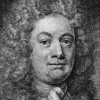
Thomas Fuller (1654–1734) English physician, preacher, aphorist, writer
Introductio ad Prudentiam, Vol. 2, # 2092 (1727)
(Source)
The proud man can learn humility, but he will be proud of it.
Mignon McLaughlin (1913–1983) American journalist and author
The Neurotic’s Notebook, ch. 3 (1963)
(Source)

FALSTAFF:Setting the attractions of
my good parts aside, I have no other charms.William Shakespeare (1564–1616) English dramatist and poet
Merry Wives of Windsor, Act 2, sc. 2, l. 105ff (2.2.105-106) (1597)
(Source)

Regard not so much what the World thinks of thee, as what thou thinkest of thyself.
Thomas Fuller (1654–1734) English physician, preacher, aphorist, writer
Introductio ad Prudentiam, Vol. 1, # 1552 (1725)
(Source)
Endeavor to make thy own Company pleasant to thee.
Thomas Fuller (1654–1734) English physician, preacher, aphorist, writer
Introductio ad Prudentiam, Vol. 1, # 99 (1725)
(Source)
Power multiplies flatterers, and flatterers multiply our delusions by hiding us from ourselves.
Charles Caleb "C. C." Colton (1780–1832) English cleric, writer, aphorist
Lacon: Or, Many Things in Few Words, Vol. 2, § 25 (1822)
(Source)
When he noticed how the guests chose the places of honor, he told them a parable. “When you are invited by someone to a wedding banquet, do not sit down at the place of honor, in case someone more distinguished than you has been invited by your host, and the host who invited both of you may come and say to you, ‘Give this person your place,’ and then in disgrace you would start to take the lowest place.
“But when you are invited, go and sit down at the lowest place, so that when your host comes, he may say to you, ‘Friend, move up higher’; then you will be honored in the presence of all who sit at the table with you.
“For all who exalt themselves will be humbled, and those who humble themselves will be exalted.”[Ἔλεγεν δὲ πρὸς τοὺς κεκλημένους παραβολήν, ἐπέχων πῶς τὰς πρωτοκλισίας ἐξελέγοντο, λέγων πρὸς αὐτούς, Ὅταν κληθῇς ὑπό τινος εἰς γάμους, μὴ κατακλιθῇς εἰς τὴν πρωτοκλισίαν, μήποτε ἐντιμότερός σου ᾖ κεκλημένος ὑπ᾽ αὐτοῦ, καὶ ἐλθὼν ὁ σὲ καὶ αὐτὸν καλέσας ἐρεῖ σοι, Δὸς τούτῳ τόπον, καὶ τότε ἄρξῃ μετὰ αἰσχύνης τὸν ἔσχατον τόπον κατέχειν.
ἀλλ᾽ ὅταν κληθῇς, πορευθεὶς ἀνάπεσε εἰς τὸν ἔσχατον τόπον, ἵνα ὅταν ἔλθῃ ὁ κεκληκώς σε ἐρεῖ σοι, Φίλε, προσανάβηθι ἀνώτερον· τότε ἔσται σοι δόξα ἐνώπιον πάντων τῶν συνανακειμένων σοι.
ὅτι πᾶς ὁ ὑψῶν ἑαυτὸν ταπεινωθήσεται, καὶ ὁ ταπεινῶν ἑαυτὸν ὑψωθήσεται.]The Bible (The New Testament) (AD 1st - 2nd C) Christian sacred scripture
Book 3. Gospel of Luke 14: 7ff (Luke 14:7–11) (Jesus) [NRSV (2021 ed.)]
(Source)
No Synoptic parallels.
(Source (Greek)). Other translations:And he put forth a parable to those which were bidden, when he marked how they chose out the chief rooms; saying unto them, 8 When thou art bidden of any man to a wedding, sit not down in the highest room; lest a more honourable man than thou be bidden of him; and he that bade thee and him come and say to thee, Give this man place; and thou begin with shame to take the lowest room.
But when thou art bidden, go and sit down in the lowest room; that when he that bade thee cometh, he may say unto thee, Friend, go up higher: then shalt thou have worship in the presence of them that sit at meat with thee.
For whosoever exalteth himself shall be abased; and he that humbleth himself shall be exalted.
[KJV (1611)]He then told the guests a parable, because he had noticed how they picked the places of honour. He said this, "When someone invites you to a wedding feast, do not take your seat in the place of honour. A more distinguished person than you may have been invited, and the person who invited you both may come and say, 'Give up your place to this man.' And then, to your embarrassment, you would have to go and take the lowest place.
"No; when you are a guest, make your way to the lowest place and sit there, so that, when your host comes, he may say, 'My friend, move up higher.' In that way, everyone with you at the table will see you honoured.
"For everyone who exalts himself will be humbled, and the man who humbles himself will be exalted."
[JB (1966)]He then told the guests a parable, because he had noticed how they picked the places of honour. He said this, "When someone invites you to a wedding feast, do not take your seat in the place of honour. A more distinguished person than you may have been invited, and the person who invited you both may come and say, 'Give up your place to this man.' And then, to your embarrassment, you will have to go and take the lowest place.
"No; when you are a guest, make your way to the lowest place and sit there, so that, when your host comes, he may say, 'My friend, move up higher.' Then, everyone with you at the table will see you honoured.
"For everyone who raises himself up will be humbled, and the one who humbles himself will be raised up."
[NJB (1985)]Jesus noticed how some of the guests were choosing the best places, so he told this parable to all of them: “When someone invites you to a wedding feast, do not sit down in the best place. It could happen that someone more important than you has been invited, and your host, who invited both of you, would have to come and say to you, ‘Let him have this place.’ Then you would be embarrassed and have to sit in the lowest place.
"Instead, when you are invited, go and sit in the lowest place, so that your host will come to you and say, ‘Come on up, my friend, to a better place.’ This will bring you honor in the presence of all the other guests.
"For those who make themselves great will be humbled, and those who humble themselves will be made great.”
[GNT (1992 ed.)]When Jesus noticed how the guests sought out the best seats at the table, he told them a parable. “When someone invites you to a wedding celebration, don’t take your seat in the place of honor. Someone more highly regarded than you could have been invited by your host. The host who invited both of you will come and say to you, ‘Give your seat to this other person.’ Embarrassed, you will take your seat in the least important place.
"Instead, when you receive an invitation, go and sit in the least important place. When your host approaches you, he will say, ‘Friend, move up here to a better seat.’ Then you will be honored in the presence of all your fellow guests.
"All who lift themselves up will be brought low, and those who make themselves low will be lifted up."
[CEB (2011)]

Unless a man has talents to make something of himself, freedom is an irksome burden. Of what avail is freedom to choose if the self be ineffectual? We join a mass movement to escape individual responsibility, or, in the words of the ardent young Nazi, “to be free from freedom.” It was not sheer hypocrisy when the rank-and-file Nazis declared themselves not guilty of all the enormities they had committed. They considered themselves cheated and maligned when made to shoulder responsibility for obeying orders. Had they not joined the Nazi movement in order to be free from responsibility?
Eric Hoffer (1902–1983) American writer, philosopher, longshoreman
True Believer: Thoughts on the Nature of Mass Movements, Part 2, ch. 5, § 26 (1951)
“I have been Foolish and Deluded,” said Pooh, “and I am a Bear of No Brain at All.”
“You’re the Best Bear in All the World,” said Christopher Robin soothingly.A. A. Milne (1882–1956) English poet and playwright [Alan Alexander Milne]
Winnie-the-Pooh, ch. 3 “Pooh and Piglet Go Hunting” (1926)
(Source)