

CALVIN: I wonder why people are never content with what they have.
HOBBES: Are you kidding? Your fingernails are a joke, you’ve got no fangs, you can’t see at night, your pink hides are ridiculous, your reflexes are nil, and you don’t even have tails! Of course people aren’t content!
CALVIN: Forget I said anything.
HOBBES: Now if tigers weren’t content, that would be something to wonder about.
Quotations about:
contentment
Note not all quotations have been tagged, so Search may find additional quotes on this topic.

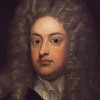
Upon the whole, a contented mind is the greatest blessing a man can enjoy in this world.
Joseph Addison (1672-1719) English essayist, poet, statesman
Essay (1714-07-30), The Spectator, No. 574
(Source)
I’d be as good a king of my estate as any other King; and being so, I should do as I liked; and doing as I liked, I should take my pleasure; and taking my pleasure, I should be contented; and when one’s content, there’s nothing more to desire; and when there’s nothing more to desire, there’s an end of it.
[Tan Rey seria yo de mi estado, como cada uno del suyo: y siendolo, haria lo que quisiesse: y haziendo lo que quisiesse, haria mi gusto: y haziendo mi gusto, estaria contento: y en estando uno contento, no tiene mas que dessear: y no teniendo mas qu essear, acabose.]
Miguel de Cervantes (1547-1616) Spanish novelist
Don Quixote, Part 1, ch. 50 [Sancho] (1605) [tr. Cohen (1950)]
(Source)
On being a king.
(Source (Spanish)). Other translations:I should be as much king of my own dominion as any other king; and being so, I would do what I pleased; and, doing what I pleased, I should have my will; and, having my will, I should be contented; and, being content, there is no more to be desired: and when there is no more to desire, there's an end of it.
[tr. Motteux* (1700-1703); Part 1, ch. 39]The first thing I would do in my government, I would have nobody to control me, I would be absolute: and who but I: now, he that is absolute, can do what he likes; he that can do what he likes, can take his pleasure; he that can take his pleasure, can be content; and he that can be content, has no more desire; so the matter is over.
[tr. Motteux*; Part 1, ch. 39]I should be as much king of my own dominion, as any one of his: and being so, I would do what I pleased, and doing what I pleased, I should have my will, and having my will, I should be contented; and when one is contented, there is no more to be desired; and when there is no more to be desired, there is an end of it.
[tr. Jarvis (1819), Part 1, Book 4, ch. 23]I shall be as much king of my realm as any other of his; and being so I should do as I liked, and doing as I liked I should please myself, and pleasing myself I should be content, and when one is content he has nothing more to desire, and when one has nothing more to desire there is an end of it.
[tr. Ormsby (1885); Vol. 1, ch. 50]I shall be as much a king of my realm as any other of his; and being so I should do as I liked, and doing as I liked I should please myself, and pleasing myself I should be content, and when one is content he has nothing more to desire, and when one has nothing more to desire there is an end of it.
[ed. Pérezgonzález (2006); Vol. 1, ch. 50]
* I am unclear on why the two Motteux translations are so different; both sources list Pierre Antoine Motteux as the translator, and I can't find anything in the two texts

The boldest thinker may have his moments of languor and discouragement, when he feels as if he could willingly exchange faiths with the old beldame crossing herself at the cathedral-door, — nay, that, if he could drop all coherent thought, and lie in the flowery meadow with the brown-eyed solemnly unthinking cattle, looking up to the sky, and all their simple consciousness staining itself blue, then down to the grass, and life turning to a mere greenness, blended with confused scents of herbs, — no individual mind-movement such as men are teased with, but the great calm cattle-sense of all time and all places that know the milky smell of herds, — if he could be like these, he would be content to be driven home by the cow-boy, and share the grassy banquet of the king of ancient Babylon. Let us be very generous, then, in our judgment of those who leave the front ranks of thought for the company of the meek non-combatants who follow with the baggage and provisions. Age, illness, too much wear and tear, a half-formed paralysis, may bring any of us to this pass.
I would not change the song the flute-girl sings
For all the diadems of weary kings,
His joys the Sultan shares with all the world,
His cares he keeps — a chain of glittering rings.Omar Khayyám (1048-1123) Persian poet, mathematician, philosopher, astronomer [عمر خیام]
Rubáiyát [رباعیات] [tr. Le Gallienne (1897), # 201]
(Source)
Given LeGallienne's paraphrasing, I am unable to align this with an original quatrain or other translations. The only thing close was:I would sell the diadem of the khan, the crown of the king, to purchase the song of the flute girl. Let us sell the turban, yea, and the garment of silk, for a cup of wine; let us sell the chaplet which alone contains a multitude of hypocrisy.
[tr. McCarthy (1879), # 191]
YEVGRAF: Happy men don’t volunteer. They wait their turn, and thank God if their age or work delays it.
Robert Bolt (1924-1995) English dramatist
Doctor Zhivago, Part 1, film (1965)
(Source)
On army recruitment. This line is not in the 1957 Boris Pasternak novel.
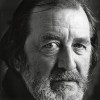
Taking it all together, keep always in view that human life is transitory and cheap: yesterday a drop of semen, tomorrow a buried corpse or ashes. So make your way through this brief moment in time in line with nature and let go of your life gladly, as an olive might fall when ripe, blessing the earth that bore it and grateful to the tree that gave it growth.
[τὸ γὰρ ὅλον, κατιδεῖν ἀεὶ τὰ ἀνθρώπινα ὡς ἐφήμερα καὶ εὐτελῆ καὶ ἐχθὲς μὲν μυξάριον, αὔριον δὲ τάριχος ἢ τέφρα. τὸ ἀκαριαῖον οὖν τοῦτο τοῦ χρόνου κατὰ φύσιν διελθεῖν καὶ ἵλεων καταλῦσαι, ὡς ἂν εἰ ἐλαία πέπειρος γενομένη ἔπιπτεν, εὐφημοῦσα τὴν ἐνεγκοῦσαν καὶ χάριν εἰδυῖα τῷ φύσαντι δένδρῳ.]
Marcus Aurelius (AD 121-180) Roman emperor (161-180), Stoic philosopher
Meditations [To Himself; Τὰ εἰς ἑαυτόν], Book 4, ch. 48 (4.48) (AD 161-180) [tr. Gill (2013)]
(Source)
(Source (Greek)). Alternate translations:For herein lieth all indeed, ever to look upon all worldly things, as things for their continuance, that are but for a day: and for their worth, most vile, and contemptible, as for example, What is man? That which but the other day when he was conceived was vile snivel; and within few days shall be either an embalmed carcass, or mere ashes. Thus must thou according to truth and nature, throughly consider how man's life is but for a very moment of time, and so depart meek and contented: even as if a ripe olive falling should praise the ground that bare her, and give thanks to the tree that begat her.
[tr. Casaubon (1634) 4.39]Mankind are poor Transitory Things! They are one Day in the Rudiments of Life, and almost the next, turn'd to Mummie, or Ashes. Your way is therefore to manage this Minute Wisely, and part with it chearfully; And like a ripe Nut when you drop out of the Husk, be sure to speak well of the Season, and make your Acknowledgments to the Tree that bore you.
[tr. Collier (1701)]And, in general, all human affairs are mean, and but for a day. What yesterday was a trifling embryo, to morrow shall be an embalmed carcase, or ashes. Pass this short moment of time according to nature, and depart contentedly; as the full ripe olive falls of its own accord, applauding the earth whence it sprung, and thankful to the tree that bore it.
[tr. Hutcheson/Moor (1742)]On the whole, then, a wise man will consider all human affairs as of a day's continuance, contemptible, and of little importance. Man himself is to-day in embryo, to-morrow a mummy or a handful of ashes.
Let us then employ properly this moment of time allotted us by fate, and leave the world contentedly; like a ripe olive dropping from its stalk, speaking well of the soil that produced it, and of the tree that bore it.
[tr. Graves (1792)]To conclude, always observe how ephemeral and worthless human things are, and what was yesterday a little mucus, to-morrow will be a mummy or ashes. Pass then through this little space of time conformably to nature, and end thy journey in content, as an olive falls off when it is ripe, blessing nature who produced it, and thanking the tree on which it grew.
[tr. Long (1862)]In short, mankind are poor, transitory things! They are one day in the rudiments of life, and almost the next turned to mummy or ashes. Your way is therefore to manage this minute in harmony with nature, and part with it cheerfully; and like a ripe olive when you droop, be sure to speak well of the mother that bare you.
[tr. Collier/Zimmern (1887)]In a word, look at all human things, behold how fleeting and how sorry -- but yesterday a mucus-clot, to-morrow dust or ashes! Spend your brief moment then according to nature's law, and serenely greet the journey's end, as an olive falls when it is ripe, blessing the branch that bears it and giving thanks to the tree which gave it life.
[tr. Rendall (1898)]In sum, look upon human things, and behold how short-lived and how vile they are; mucus yesterday, tomorrow ashes or pickled carrion. Spend, then, the fleeting remnant of your time in a spirit that accords with Nature, and depart contentedly. So the olive falls when it is grown ripe, blessing the ground from whence it sprung, and thankful to the tree that bore it.
[tr. Hutcheson/Chrystal (1902)]In a word, fail not to note how short-lived are all mortal things, and how paltry -- yesterday a little mucus, to-morrow a mummy or burnt ash. Pass then through this tiny span of time in accordance with Nature, and come to thy journey's end with a good grace, just as an olive falls when it is fully ripe, praising the earth that bare it and grateful to the tree that gave it growth.
[tr. Haines (Loeb) (1916)]This is the whole matter: see always how ephemeral and cheap are the things of man -- yesterday, a spot of albumen, to-morrow, ashes or a mummy. Therefore make your passage through this span of time in obedience to Nature and gladly lay down your life, as an olive, when ripe, might fall, blessing her who bare it and grateful to the tree which gave it life.
[tr. Farquharson (1944)]Observe, in short, how transient and trivial is all mortal life; yesterday a drop of semen, tomorrow a handful of spice or ashes. Spend, therefore, these fleeting moments on earth as Nature would have you spend them, and then go to your rest with good grace, as an olive falls in its season, with a blessing for the earth that bore it and a thanskgiving to the tree that gave it life.
[tr. Staniforth (1964)]In a word, never cease to observe how evanescent are all things human, and how worthless: today a drop of mucus, and tomorrow a mummy or a pile of ash. So make your eay through this brief moment of time as one who is obedient to nature, and accept your end with a cheerful heart, just as an olive might ripen and fall, blessing the earth that bare it and grateful to the tree that gave it growth.
[tr. Hard (1997 ed.); Hard (2011 ed.)]In general, consider always how ephemeral and cheap human affairs are; yesterday slime, tomorrow pickle or ashes. Go through this momentary time in accordance with nature, and come to an end cheerfully, like an olive that falls when it is ripe, speaking well of the earth who bore it you and giving thanks to the tree that begat you.
[tr. Hard? (1997 ed.)]In short, know this: Human lives are brief and trivial. Yesterday a blob of semen; tomorrow embalming fluid, ash.
To pass through this brief life as nature demands. To give it up without complaint.
Like an olive that ripens and falls.
Praising its mother, thanking the tree it grew on.
[tr. Hays (2003)]The conclusion of this? You should always look on human life as short and cheap. Yesterday sperm: tomorrow a mummy or ashes.
So one should pass through this tiny fragment of time in tune with nature, and leave it gladly, as an olive might fall when ripe, blessing the earth which bore it and grateful to the tree which gave it growth.
[tr. Hammond (2006)]So always keep in mind how short-lived and insignificant human things really are: yesterday a glob of mucous, tomorrow a corpse or a pile of ashes. So pass this brief amount of time in accordance with Nature and dissolve graciously, just as a ripe olive falls to the ground praising both he earth which gave it life and the tree which nourished it.
[tr. Needleman/Piazza (2008)]Mark how fleeting and paltry is the estate of man, yesterday in infancy, tomorrow embalmed or in ashes. For the hairsbreadth of time assigned to thee, live rationally, and part with life gracefully, as a ripe olive falls, blessing the season that bore it and thanking the tree that gave it life.
[ed. Yeroulanos (2016)]
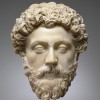
For my part, the thing that I would wish to obtain from money would be leisure with security. But what the typical modern man desires to get with it is more money, with a view to ostentation, splendour, and the outshining of those who have hitherto been his equals.
Bertrand Russell (1872-1970) English mathematician and philosopher
Conquest of Happiness, Part 1, ch. 3 “Competition” (1930)
(Source)
The richest man in the world is the one who dispizes riches the most.
[The riches man in the world is the one who despises riches the most.]
Josh Billings (1818-1885) American humorist, aphorist [pseud. of Henry Wheeler Shaw]
Everybody’s Friend, Or; Josh Billing’s Encyclopedia and Proverbial Philosophy of Wit and Humor, ch. 131 “Affurisms: Plum Pits (1)” (1874)
(Source)

Wives who are chummy with their husbands are apt to live contented lives.
Wealth is not his that has it, but his that enjoys it.
Benjamin Franklin (1706-1790) American statesman, scientist, philosopher, aphorist
Poor Richard (1736 ed.)
(Source)
He is not poore that hath little, but he that desireth much.
George Herbert (1593-1633) Welsh priest, orator, poet.
Jacula Prudentum, or Outlandish Proverbs, Sentences, &c. (compiler), # 309 (1640 ed.)
(Source)
If it be true that a man is rich who wants nothing, a wise man is a very rich man.
[S’il est vrai que l’on soit riche de tout ce dont on n’a pas besoin, un homme fort riche, c’est un homme qui est sage.]Jean de La Bruyère (1645-1696) French essayist, moralist
The Characters [Les Caractères], ch. 6 “Of Gifts of Fortune [Des Biens de Fortune],” § 49 (6.49) (1688) [tr. Van Laun (1885)]
(Source)
(Source (French)). Alternate translations:If he is only rich who wants nothing, a very wise Man is a very rich Man.
[Bullord ed. (1696)]If a Man is rich, by all which he does not want, a wise Man is a very rich Man.
[Curll ed. (1713)]If he is rich who wants nothing, a very wise Man is a very rich Man.
[Browne ed. (1752)]If it is true that wealth consists in having few wants, the wise man is a very wealthy man.
[tr. Stewart (1970)]
A little House well fill’d, a little Field well till’d, and a little Wife well will’d, are great Riches.
Benjamin Franklin (1706-1790) American statesman, scientist, philosopher, aphorist
Poor Richard (1735 ed.)
(Source)
As with so many other proverbs, Franklin did not originate it, just presented it as Poor Richard's own.
The oldest version of this is handwritten (at the same time period) in a copy of the Grete Herball (1526), found by William Hazlitt in the late 19th C:A little house well filled,
A little land well tilled,
And a little wife well willed,
Are great riches.
It was likely known before then. Subsequent to that, a version was included by John Ray in his Compleat English Proverbs [Ray's Proverbs] (1670):A little house well fill'd,
a little land well till'd,
and a little wife well will'd.
It was later adapted by James Hook as "A little Farm well till'd," in the comic opera, The Soldier's Return (1805), the first lines of which read:A little Farm well tilled,
A little Cot well filled,
A little Wife well will'd,
Give me, give me.
Contented, unambitious people are all very well in their way. They form a neat, useful background for great portraits to be painted against, and they make a respectable, if not particularly intelligent, audience for the active spirits of the age to play before.
Jerome K. Jerome (1859-1927) English writer, humorist [Jerome Klapka Jerome]
Idle Thoughts of an Idle Fellow, “On Getting On in the World” (1886)
(Source)
First published in Home Chimes (1885-01-24).

If anything does happen to me, I shall fall with a contented and prepared mind; and, indeed, death cannot be disgraceful to a brave man, nor premature to one of consular rank, nor miserable to a wise man.
[Si quid obtigerit, aequo animo paratoque moriar. nam neque turpis1mors forti viro potest accidere neque immatura consulari nec misera sapienti.]
Marcus Tullius Cicero (106-43 BC) Roman orator, statesman, philosopher
Orationes in Catilinam [Catilinarian Orations], No. 4, § 2, cl. 3 (4.2.3) (63-12-05 BC) [tr. Yonge (1856), 4.3]
(Source)
(Source (Latin)). Alternate translations:if any thing should fall out amiss, I shall be contented and ready to die: For Death can never come dishonourable to a Valiant Person, nor untimely to him that is Consular, nor unfortunate to a Wise man.
[tr. Wase (1671), 4.3]If I am doomed to fall a sacrifice in your cause, I am resigned to my fate. To a well-prepared spirit death can never be dishonourable; to a consul never premature; to a wise man it never can be an evil.
[tr. Sydney (1795)]If anything shall happen to me, I shall die with a mind contented and prepared. For neither can a disgraceful death happen to a brave man, nor an untimely one to a man of consular rank, nor a wretched one to a wise man.
[tr. Mongan (1879), 4.2]If any (thing) shall have befallen, I shall die with an equal and prepared mind. For neither a base death is able to happen to a brave man, nor an immature (death) to a consular (man), nor a wretched (death) to a wise man.
[tr. Underwood (1885), 4.2]If any (thing) shall have befallen, I shall die with an equal [a calm] and prepared mind. For neither a base death is able to happen to a brave man, nor an immature (one) to a consular (man), nor a wretched (one) to a wise (man).
[tr. Dewey (1916), 4.2]Death cannot be dishonorable to the brave man, or premature to him who has held high office, or lamentable to the philosopher.
[Source]
We take all things in a minor key as we grow older. There are few majestic passages in the later acts of life’s opera. Ambition takes a less ambitious aim. Honor becomes more reasonable and conveniently adapts itself to circumstances. And love — love dies. “Irreverence for the dreams of youth” soon creeps like a killing frost upon our hearts. The tender shoots and the expanding flowers are nipped and withered, and of a vine that yearned to stretch its tendrils round the world there is left but a sapless stump.
Jerome K. Jerome (1859-1927) English writer, humorist [Jerome Klapka Jerome]
Idle Thoughts of an Idle Fellow, “On Being In Love” (1886)
(Source)
The quoted line is from Longfellow, "The Ladder of St. Augustine."
AHASUERAS: I am content.
ESTHER: Content is not the pathway to great deeds.
Ella Wheeler Wilcox (1850-1919) American author, poet, temperance advocate, spiritualist
Poem (1909), “The Drama of Mizpah: Honeymoon Scene,” Poems of Progress
(Source)

Total contentment is only for cows.
Bette Midler (b. 1945) American singer, actress, comedian, author
The Saga of Baby Divine (1983)
(Source)

If you desire power, desire nothing
but contentment, which is its own kingdom.Sa'adi (1184-1283/1291?) Persian poet [a.k.a. Sa'di, Moslih Eddin Sa'adi, Mushrif-ud-Din Abdullah, Muslih-ud-Din Mushrif ibn Abdullah, Mosleh al-Din Saadi Shirazi, Shaikh Mosslehedin Saadi Shirazi]
Gulistān [Rose Garden, گُلِستان], ch. 2 “On the Morals of Dervishes,” Story 28 (1258) [tr. Rehatsek/Newman (2004)]
(Source)
Alternate translations:If you want riches, seek only for contentment which is inestimable wealth.
[tr. Gladwin (1806)]Wouldest thou be rich, seek, but content to gain;
For this a treasure is that ne'er will harm.
[tr. Eastwick (1852)]If thou wishest for power, covet nothing
Except contentment which is sufficient happiness.
[tr. Burton (1888)]If thou covetest riches, ask not but for contentment, which is an immense treasure.
[tr. Ross (1900)]Seek not, if thou desire riches,
Aught but contentment, for it is an agreeable treasure.
[tr. Platts (1904)]
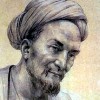
He who is content with what has been done is an obstacle in the path of progress.
Helen Keller (1880-1968) American author and lecturer
“Our Duties to the Blind,” speech, Massachusetts Assoc. for Promoting the Interests of the Adult Blind, Boston (1904-01-05)
(Source)
Reprinted in Out of the Dark: Essays, Lectures, and Addresses on Physical and Social Vision (1907).
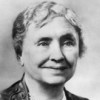
A person who lacks the means, within himself, to live a good and happy life will find any period of his existence wearisome. But rely for life’s blessings on your own resources, and you will not take a gloomy view of any of the inevitable consequences of nature’s laws. Everyone hopes to attain an advanced age; yet when it comes they all complain! So foolishly inconsistent and perverse can people be.
[Quibus enim nihil est in ipsis opis ad bene beateque vivendum, eis omnis aetas gravis est; qui autem omnia bona a se ipsi petunt, eis nihil malum potest videri quod naturae necessitas adferat. Quo in genere est in primis senectus, quam ut adipiscantur omnes optant, eandem accusant adeptam; tanta est stultitiae inconstantia atque perversitas.]
Marcus Tullius Cicero (106-43 BC) Roman orator, statesman, philosopher
De Senectute [Cato Maior; On Old Age], ch. 2 / sec. 4 (2.4) [Cato] (44 BC) [tr. Grant (1960, 1971 ed.)]
(Source)
(Source (Latin)). Alternate translations:For eche of thies ages which men name Childhode, adolescence, yongth, virilite, manhode & olde age semyn to be hevy & noxous to men the which in them silf have nothyng that may help & socoure them to lyve goodly & blessidly as bee, the which excercisen sciences & vertues & good werkis, but as to suche men which sechyn & fyndyn in themsilf alle the goods & thyngis which belongyn wele & blessidly for to lyve, ther is nothyng that comyth to them in age by the defaute of nature that may seme unto them evyll nor noxous. It is certayne that olde age is suche that it serchith & fyndyth in it self all the goodnesses whch longen to live wel & blyssidly, and yet is olde age such that alle men desyre to come untyll hit, And never the lesse the mutablenes & evyl dysposicion of men it is so grete in oure dayes that they blamyn olde age whan they be come therto by cause that then they may not use delectacions.
[tr. Worcester/Worcester/Scrope (1481)]For they that have no power, pith of wit, help, way nor virtue in themselves to conduct and bring them to a good and blessed life, unto such as these be, all their age is cumbersome and unpleasant. But unto such as lead their lives virtuously, measuring all their actions by the square of reason, and have their minds with all good gifts of grace beautified and garnished, there is nothing thought nor deemed evil that cometh by necessity of nature. Of the which sort old age is principally to be considered, unto which all men wish to arrive, and yet when they have their desire, they accuse it as painful, sickly, unpleasant and tedious, such is the brainless unconstancy, foolish sottage, and perverse overthwartness of wayward people.
[tr. Newton (1569)]For that age is only grievous to those that have no taste of wisdome and learning in themselves to make them live happily: but to them which see all perfection and consolation from their own experience, nothing can seem heavy which the necessity of nature bringeth: of which sort old age is chief, which all desire to obtain, and blame being obtained; such is their unconstancy, foolishnesse and perversity.
[tr. Austin (1648)]For to those who have nothing within themselves capable of making Life happy, and satisfactory, no wonder if every Stage of it should prove irksome, and vexatious: but, to those who derive all their satisfaction from an easy mind, nothing can seem grievous and tormenting, that proceeds from the irreversible Laws of Nature; which certainly is the case of Old Age,, whereunto though 'tis the earnest desire of all men to arrive, yet such is their unaccountable folly, and perverseness, that they are never more uneasy than when they have arrived at it.
[tr. Hemming (1716)]All Ages are grievous to those who have not in themselves the Means of living Holy and Happy; but those who expect all Happiness from their own Virtues, don't look up on the Decay of Nature as a Hardship, whereof Old Age is the chiefest, and which all desire to attain to; but is no sooner tasted than declaim'd against. Such are the Effects of Inconstancy, Folly, and the Want of Wisdom.
[tr. J. D. (1744)]For know this, that those who have no Aid or Support within themselves, to render their Lives easy, will find every State irksome: While such as are convinced, they must owe their Happiness to themselves, and that if they cannot find it in their own Breasts, they will never meet with it from abroad; will never consider any thing as an Evil, that is but a necessary Effect of the established Order of Nature; which Old Age most undoubtedly is. 'Tis certainly strange, that while all Men hope they may live to attain it, any should find Fault with it, when it comes their Share. Yet such is the Levity, Folly, and Perverseness of Mankind, that we see there is nothing more common.
[tr. Logan (1744)]Those indeed who have no internal resource of happiness, will find themselves uneasy in every stage of human life: but to him who is accustomed to derive all his felicity from within himself, no state will appear as a real evil into which he is conducted by the common and regular course of nature. Now this is peculiarly the case with respect to old age : yet such is the inconsistency of human folly, that the very period which at a distance is every man's warmest wish to attain, no sooner arrives than it is equally the object of his lamentations.
[tr. Melmoth (1773)]For to those that have nought of resource in themselves for living well and happily, every stage of life is burthensome; while to those that seek all their goods from themselves, nothing can seem an evil, which the law of Nature may bring them. In which class foremost stands old age, which all desire to attain, but arraign the same when attained; so great is the inconsistency and perverseness of folly.
[Cornish Bros. ed. (1847)]For to those who have no resource in themselves for living well and happily, every age is burdensome; but to those who seek all good things from themselves, nothing can appear evil which the necessity of nature entails; in which class particularly is old age, which all men wish to attain, and yet they complain of it when they have attained it; so great is the inconsistency and waywardness of folly.
[tr. Edmonds (1874)]For those who have in themselves no resources for a good and happy life, every period of life is burdensome; but to those who seek all goods from within, nothing which comes in the course of nature can seem evil. Under this head a place especially belongs to old age, which all desire to attain, yet find fault with it when they have reached it. Such is the inconsistency and perverseness of human folly.
[tr. Peabody (1884)]But those who look for all happiness from within can never think anything bad which nature makes inevitable. In that category before anything else comes old age, to which all wish to attain, and at which all grumble when attained. Such is Folly's inconsistency and unreasonableness!
[tr. Shuckburgh (1895)]Of course
To those who've no resources in themselves
For a good and happy life, why, every age
Is hard to bear: but those who have within
All that is needful for a life well-spent,
Can never find misfortune in the lot
That nature's laws impose. And one such lot
Is that old age must come to each and all,
Old age so fondly hoped for, when it comes,
So Oft found to be irksome. Such, alas!
Is Folly's want of reason and resolve.
[tr. Allison (1916)]For to those who have not the means within themselves of a virtuous and happy life every age is burdensome; and, on the other hand, to those who seek all good from themselves nothing can seem evil that the laws of nature inevitably impose. To this class old age especially belongs, which all men wish to attain and yet reproach when attained; such is the inconsistency and perversity of Folly!
[tr. Falconer (1923)]People, you see, who have no inner resources for living the good and happy life, find every age a burden. But men who seek all good from within themselves are simply unable to view as evil anything that comes about through nature’s law. Now old age, as much as anything else in this world, is such a thing. All men hope and pray to attain it; once they have attained it, they start finding fault with it.
[tr. Copley (1967)]Some people just do not possess the optimism that would allow them to live contentedly under any circumstances: for them every stage of life is a burden. But if only they expected nothing but good for themselves, nothing that the natural passage of time brought them could seem bad. This is especially true of old age. Everybody wants to live for a long time, but when they have attained their goal, they grumble. It makes no sense -- but that’s what life is: perverse and inconsistent.
[tr. Cobbold (2012)]Someone who doesn't have much in the way of inner resources will find all stages of life irksome, but someone whose character is in order will accept what nature brings and not complain about something perfectly natural, calling it evil. There is much nonsense bandied about old age, something which everyone wishes to reach, but which most complain about once they get there. That seems more than slightly inconsistent and perverse, doesn't it?
[tr. Gerberding (2014)]They find every age oppressive, of course,
Who in their inner selves have no resource
To live an easy life in happiness,
But they who in themselves only find
Their own contentment and peace of mind
See no harm in nature’s due process
Whose termination inevitably
May lead to that state of senility
To which they keenly lay claim,
But once attained rather foolishly,
With malice and incongruity,
Promptly find reasons to blame.
[tr. Bozzi (2015)]Those who lack within themselves the means for living a blessed and happy life will find any age painful. But for those who seek good things within themselves, nothing imposed on them by nature will seem troublesome. Growing older is a prime example of this. Everyone hopes to reach old age, but when it comes, most of us complain about it. People can be so foolish and inconsistent.
[tr. Freeman (2016)]Every age is burdensome to those who have no means of living well and happily. But to those who seek all good from themselves, nothing which the necessity of nature offers can appear bad. Old age is a prime example of this sort of thing -- everyone wishes to attain it, but they always complain about it once it is attained. Such is the inconstancy and perversity of stupidity.
[tr. Robinson [@sentantiq] (2017)]
If you are foolish enough to be contented, don’t show it, but grumble with the rest; and if you can do with a little, ask for a great deal. Because if you don’t you won’t get any.
Jerome K. Jerome (1859-1927) English writer, humorist [Jerome Klapka Jerome]
Idle Thoughts of an Idle Fellow, “On Getting On in the World” (1886)
(Source)
First published in Home Chimes (1885-01-24).
Happy the man, of mortals happiest he,
Whose quiet mind from vain desires is free;
Whom neither hopes deceive, nor fears torment,
But lives at peace, within himself content;
In thought, or act, accountable to none
But to himself, and to the gods alone.George Granville (1666-1735) English politician, poet, playwright [1st Baron Lansdowne]
“Epistle to Mrs. Higgons,” l. 79ff (1690)
(Source)
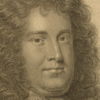
Better is a little with contentment than great Treasure; and trouble therewith.
Abigail Adams (1744-1818) American correspondent, First Lady (1797-1801)
Letter to Mary Smith Cranch (1790-02-20)
(Source)

FOOL: He that has and a little tiny wit,
With hey, ho, the wind and the rain,
Must make content with his fortunes fit,
Though the rain it raineth every day.William Shakespeare (1564-1616) English dramatist and poet
King Lear, Act 3, sc. 2, l. 81ff (3.2.81-84) (1606)
(Source)

You are the sun who heals all clouded sight.
Solving my doubts, you bring me such content
That doubt, no less than knowing, is delight.[O sol che sani ogne vista turbata,
tu mi contenti sì quando tu solvi,
che, non men che saver, dubbiar m’aggrata.]Dante Alighieri (1265-1321) Italian poet
The Divine Comedy [Divina Commedia], Book 1 “Inferno,” Canto 11, l. 91ff (11.91-93) [Dante] (1309) [tr. Kirkpatrick (2006)]
(Source)
Flattering Virgil before he asks another question. (Source (Italian)). Alternate translations:O you, who like the Sun each weaken'd sight
Relieve, and give such pleasure when you clear
My doubts, that I to raise them oft desire.
[tr. Rogers (1782), l. 89ff]Can I repent my doubts! illumin'd Bard,
When thus thy heav'nly words my doubts reward?
[tr. Boyd (1802), st. 14]O Sun! who healest all imperfect sight,
Thou so content’st me, when thou solv’st my doubt,
That ignorance not less than knowledge charms.
[tr. Cary (1814)]O Sun, that healest every troubled sight!
So full content, thou solving, doth ensue,
Glads me no less to doubt, than judge aright.
[tr. Dayman (1843)]O Sun! who healest all troubled vision, thou makest so glad when thou resolvest me, that to doubt is not less grateful than to know.
[tr. Carlyle (1849)]Thou sun, that clearest every clouded sight,
You so content me to dissolve the knot,
To know is scarce so pleasing as to doubt.
[tr. Bannerman (1850)]Oh, sun! thou healer of the troubled sight,
What thou declarest makes me so content,
That as in knowledge I rejoice in doubt.
[tr. Johnston (1867)]O Sun, that healest all distempered vision,
Thou dost content me so, when thou resolvest,
That doubting pleases me no less than knowing!
[tr. Longfellow (1867)]O Sun that healest every troubled sight, so dost thou content me when thou solvest, that doubting gives me no less pleasure than knowing.
[tr. Butler (1885)]O Sun, that healest every troubled sight.
Thou so contentest me when thou mak'st clear
Doubts, that no less than knowledge they delight.
[tr. Minchin (1885)]O Sun that healest every troubled vision, thou dost content me so, when thou explainest, that doubt, not less than knowledge, pleaseth me.
[tr. Norton (1892)]O sun, that bringest healing unto all clouded vision, thou grantest unto me such satisfaction in thine unravelling, that doubting doth delight me.
[tr. Sullivan (1893)]Oh! sun, who makest whole all troubled vision.
Thou dost content me so when thou resolvest
That doubt is joy to me, no less than knowledge.
[tr. Griffith (1908)]O Sun that healest all troubled sight, so dost thou satisfy me with the resolving of my doubts that it is no less grateful to me to question than to know.
[tr. Sinclair (1939)]O Sun, who heal'st all troubled vision, and so
Contentest me where thou doest certify,
That to doubt pleaseth not less than to know ....
[tr. Binyon (1943)]O Sun that healest all dim sight, thou so
Doest charm me in resolving of my doubt,
To be perplexed is pleasant as to know.
[tr. Sayers (1949)]O sun which clears all mists from troubled sight,
such joy attends your rising that I feel
as grateful to the dark as to the light.
[tr. Ciardi (1954)]O sun that heal every troubled vision, you do content me so, when you solve, that questioning, no less than knowing, pleases me.
[tr. Singleton (1970)]O sun that shines to clear a misty vision,
such joy is mine when you resolve my doubts
that doubting pleases me no less than knowing!
[tr. Musa (1971)]O sun that heals all sight that is perplexed,
when I ask you, your answer so contents
that doubting pleases me as much as knowing.
[tr. Mandelbaum (1980)]O sun who clears every obscure perception
You give such satisfaction when you enlighten me
That, not less than knowledge, doubt is agreeable.
[tr. Sisson (1981)]O sun, that makes all troubled vision clear,
You give solutions I am so contented with
That asking, no less than knowing, pleases me.
[tr. Pinsky (1994), l. 87ff]O sun that heals every clouded sight, you content me so when you resolve questions, that doubting is no less pleasurable than knowing.
[tr. Durling (1996)]O Sun, that heals all troubled sight, you make me so content when you explain to me, that to question is as delightful as to know.
[tr. Kline (2002)]O sun, you who heal all troubled sight,
you so content me by resolving doubts
it pleases me no less to question than to know.
[tr. Hollander/Hollander (2007)]O shining sun, healer of troubled vision,
I'm satisfied so well, my mind so settled,
That knowledge pleases me no more than asking questions!
[tr. Raffel (2010)]"Bright sun," I said, you calm these doubts of mine
As you heal any troubled sight. Such ease
You bring me that to question pleases me
Like being answered."
[tr. James (2013)]

OLD LADY: Our content
Is our best having.William Shakespeare (1564-1616) English dramatist and poet
Henry VIII, Act 2, sc. 3, l. 27ff (2.3.27-28) (1613)
(Source)
WORCESTER: For mine own part I could be well content
To entertain the lag end of my life
With quiet hours.William Shakespeare (1564-1616) English dramatist and poet
Henry IV, Part 1, Act 5, sc. 1, l. 24 (5.1.24-26) (1597)
(Source)
The things that make a life of ease,
Dear Martial, are such things as these:
Wealth furnished not by work but birth,
A grateful farm, a blazing hearth,
No lawsuit, seldom formal dress;
But leisure, stalwart healthiness,
A tactful candour, equal friends,
Glad guests at board which naught pretends,
No drunken nights, but sorrow free,
A bed of joy yet chastity;
Sleep that makes darkness fly apace,
So well content with destined place,
Unenvious so as not to fear
Your final day, nor wish it near.[Vitam quae faciant beatiorem,
Iucundissime Martialis, haec sunt:
Res non parta labore, sed relicta;
Non ingratus ager, focus perennis;
Lis numquam, toga rara, mens quieta;
Vires ingenuae, salubre corpus;
Prudens simplicitas, pares amici;
Convictus facilis, sine arte mensa;
Nox non ebria, sed soluta curis;
Non tristis torus, et tamen pudicus;
Somnus, qui faciat breves tenebras:
Quod sis, esse velis nihilque malis;
Summum nec metuas diem nec optes.]Martial (AD c.39-c.103) Spanish Roman poet, satirist, epigrammatist [Marcus Valerius Martialis]
Epigrams [Epigrammata], Book 10, epigram 47 (10.47) (AD 95, 98 ed.) [tr. Duff (1929)]
(Source)
To his friend, Julius Martialis. (Source (Latin)). Alternate translations:Martial, the things that do attain
The happy life, be these, I find:
The riches left, not got with pain;
the fruitful ground, the quiet mind:
the equal friend, no grudge, no strife;
No charge of rule, nor governance;
Without disease, the healthful life;
The household of continuance:
The mean diet, no delicate fare;
True wisdom join'd with simpleness;
The night discharged of all care,
Where wine the wit may not oppress:
The faithful wife, without debate;
Such sleeps as may beguile the night.
Contented with thine own estate;
Ne wish for Death, ne Fear his might.
[tr. Henry Howard, Earl of Surrey (1557)]The Things that make the happier life, are these,
Most pleasant Martial; Substance got with ease,
Not labour'd for, but left thee by thy Sire;
A Soyle, not barren, a continewall fire;
Never at law; seldome in office gown'd;
A quiet mind; free powers; and body sound;
A wise simplicity; freindes alike-stated;
Thy table without art, and easy-rated:
Thy night not dronken, but from cares layd wast;
No sowre, or sollen bed-mate, yet a Chast;
Sleepe, that will make the darkest howres swift-pac't;
Will to bee, what thou art; and nothing more:
Nor feare thy latest day, nor wish therfore.
[tr. Jonson (1640)]The things that make a life to please
(Sweetest Martiall), they are these:
Estate inherited, not got:
A thankful field, hearth always hot:
City seldom, law-suits never:
Equal friends agreeing ever:
Health of body, peace of mind:
Sleeps that till the morning bind:
Wise simplicity, plain fare:
Not drunken nights, yet loosed from care:
A sober, not a sullen spouse:
Clean strength, not such as his that plows;
Wish only what you are, to be;
Death neither wish, nor fear to see.
[tr. Fanshawe (1648)]Those things which make life truly blest,
Sweetest Martial hear exprest:
Wealth left, and not from Labour growing;
A gratefull soyl, a Hearth still glowing;
No Strife, small Business, Peace of Mind,
Quick Wit, a Body well inclin'd,
Wise Innocence, Friends of one Hart,
Cheap Food, a Table without Art;
Nights which nor Cares, nor Surfets know,
No dull, yet a chaste Bedfellow;
Sleeps which the tedious Hours contract;
Be what thou mayst be, nor exact
ought more; nor thy last Hour of Breath
Fear, nor with wishes hasten Death.
[tr. Sherburne (1651)]Most pleasant Martial these are they
That make the happyer life and day,
Means not sweat for, but resign'd,
Fire wihtout end, fields still in kinde,
No strife, no office, inward peace,
Free strength, a body sans disease,
A prudent plainesse, equal friends,
Cheap Cates, not scraped from the world's ends,
A night not drown'd, but free from care,
Sheets never sad, and yet chast are,
Sleep that makes hsort the shades of night,
Art such thou would'st be, if there might
A choice be offer'd, nor dost fear
Nor wish thy last dayes exit here.
[tr. Fletcher (1656)]Since, dearest Friend! 'tis your desire to see
A true receipt of happiness from me;
These are the chief ingredients, if not all:
Take an estate neither too great, nor small
Which quantum sufficit the doctors call.
Let this estate from parents' care descend;
The getting it too much of life does spend.
Take such a ground, whose gratitude may be
A fair encouragement for industry.
Let constant fires the winter's fury take,
And let thy kitchen's be a vestal flame.
Thee to the town let never suit at law,
And rarely, very rarely, business draw.
They active mind in equal temper keep,
in undisturbed peace, yet not in sleep.
Let exercise a vigorous health maintain,
Without which all the composition's vain.
In the same weight prudence and innocence take;
And of each does the just mixture make.
But a few friendships wear, and let them be
By nature and by fortune fit for thee.
Instead of art and luxury in food,
Let mirth and freedom make thy table good.
If any cares into the daytime creep,
At night, without wine's opium, let them sleep,
Let rest, which nature does to darkness wed,
And not lust, recommend to thee thy bed.
Be satisfied, and pleas'd with what thou art;
Act cheerfully and well th' allotted part;
Enjoy the present hour, be thankful for the past,
And neither fear, nor with th' approaches of the last.
[tr. Cowley (1656)]What things our Life do happy make
From me, my sweetest Martial, take.
A left Estate, not got with pain;
A fruitfull Field, that swells with grain;
A Kitching, that is ever warm;
Life free from Quarrels and from Harm.
Rarely to be concern;d with State,
Never to have Law-sutes , or debate;
But on the Mind Content to wait.
The Strength intire and Body sound,
And Innocence with Prudence crown'd:
An Equal and a Faithfull Friend,
Discourse, that may in Pleasure end,
Nor Feasts, that may to Riot tend.
No drunken Nights, yet such, as may
Wash off the sully of the Day.
No lonely Bed, yet One, that's chast;
And Sleep, that tedious Nights may wast.
With what we have to be Content,
Nor, what we have not, to resent:
Not fear our last approaching Day,
And yet not rashly fling our Life away.
[tr. Heyrick (1691)]To make my life of all mens happyest,
Sweet Martiall, I w'ld bee wit these things blest:
A good Estate, nott gott with mine own toyle,
But by Descent: plac'd in a fruitfull soyle:
Well woodded, that may constant fyres mayntayne:
No private Suites: few publicke Cares: A Brayne
Untroubled: Body healthfull; active, strong;
Harmeless, butt prudent, in converse; among
Few friends of my owne rank: No curious Fare,
Butt wholesome: Nights, nott drunke, butt free from Care
A Wife though chast yett frolick in my Bedd:
Sound sleepe all Night to seize my drowsy head;
Wish to bee what thou art, and wish no higher:
And thy last End nor feare, nor yett desire.
[British Library MS Add. 27343 (17th C)]Pleas'd alway with the lot my fates assign,
Let me no change desire, no change decline;
With every turn of Providence comply,
Not tir'd with life, nor yet afraid to die.
[tr. Fenton (c. 1725)]Of things that heighten human bliss,
The sum, sweet Martial, may be this.
A freehold, not amast by care;
But dropt on a deserving heir:
A soil, that ev'ry culture pays,
A hearth, with never-dying blaze:
No contest, and but little court;
A quiet mind, her own support:
A gale, to fan ingenuous flame;
Exertion, to enforce the frame:
Simplicity, that wisdom blends;
Equality, the bond of friends:
An easy converse, artless board,
With all the little needfull stor'd:
A night not soaking, care effac'd;
A couch not dismal, always chaste:
Sleep stealing o'er the gloom so sweet,
That evening bids and morning meet.
content, which nought beyond aspires;
And death nor dreads, nor yet desires.
[tr. Elphinston (1782), 2.47]Pleas'd with thy present lot, not grudging at the past
Nor fearing when thy time shall come, nor hoping for thy last.
[tr. Somerville (<1858)]The requisites for a happy life are the following: competency inherited and not acquired by labour; productive land, a hearth with never lacks a fire; total absence of litigation; rare occasion for the toga; a quiet mind; unimpaired physical vigour; health of body; prudent simplicity; friends that are, in all respects, your equal; familiar society; a table devoid fo art; nights, not of revelling, but of freedom from cares; a couch not sad nor licentious; sleep, which curtails the time of darkness; to be exactly what you wish to be; preferring no other condition to your own; neither to dread nor to long for your last hour.
[tr. Amos (1858); includes a variety of commentary]The things that make life happy, dearest Martial, are these: wealth not gained by labour, but inherited; lands that make no ill return; a hearth always warm; freedom from litigation; little need of business costume; a quiet mind; a vigorous frame; a healthy constitution; prudence without cunning; friends among our equals, and social intercourse; a table spread without luxury; nights, not of drunkenness, yet of freedom from care; a bed, not void of connubial pleasures, yet chaste; sleep, such as makes the darkness seem short; contentment with our lot, and no wish for change; and neither to fear death nor seek it.
[tr. Bohn's Classical (1859)]What makes the happiest life below,
A few plain rules, my friend, will show.
A good estate not earn'd with toil,
But left by will, or giv'n by fate;
A land of no ungrateful soil,
A constant fire within your grate:
No law; few cares; a quiet mind;
Strength unimpair'd, a healthful frame;
Wisdom with innocence combin'd;
Friends equal both in years and fame;
Your living easy, and your board
With food, but not with luxury stored
A Bed, though chaste, not solitary;
Sound sleep, to shorten night's dull reign;
Wish nothing that is yours to vary;
Think all enjoyments that remain;
And for the inevitable hour,
Nor hope it nigh, nor dread its power.
[tr. Merivale (<1871)]These, Martial, are the things that give
A happier life than most men live.
A fortune not by labour on,
But left by father to his son;
A farm that yields no scant returns,
A hearth that ever brightly burns;
No law-suits, no heart-using cares;
A gown its owner seldom wears;
A constitution firmly knit,
And healthy frame accompanying it;
An honest canour, yet discreet,
With friends congenial and meet;
Good-natured guests your joys to share,
A pain and unpretentious fare;
No nights whose hours in revel pass,
Yet not uncheered by social glass;
A spouse of chaste yet merry sort;
Sound sleep that makes the darkness short;
A mind so well contented grown
It thinks no lot excels its own;
So blest, you neither wish nor fear
To see the closing hour draw near.
[tr. Webb (1879)]What makes a happy life, dear friend,
If thou would'st briefly learn, attend.
An income left, not earned by toil;
Some acres of a kindly soil;
The pot unfailing on the fire;
No lawsuits; seldom town attire;
Health; strength with grace; a peaceful mind;
Shrewdness with honesty combined;
Plain living; equal friends and free;
Evenings of temperate gaiety;
A wife discreet, yet blithe and bright;
Sound slumber that lends wings to night.
With all thy heart embrace thy lot,
Wish not for death and fear it not.
[tr. Smith (1893)]Martial, my best of friends, believe
Upon these terms ’tis good to live.
Wealth handed down, not bought by toil,
A genial hearth, a kindly soil;
Scant ceremonial, lawsuits none,
A mind a peace, a healthy tone
Of body, native strength withal,
Wise frankness, friends congenial,
Good company, a simple fare,
Of wine enough to banish care,
A bedfellow who's fondly shy,
Sound sleep to make the night go by,
Divine contentment with your lot,
Death not desired, but dreaded not.
[tr. Street (1907)]Julius, the things that make for ease
And happiness in life are these:
Lands left me, not acquired with toil;
Unfailing fuel; kindly soil;
No suits; light work; mind void of whims;
Good constitution; healthy limbs;
Frank thoughts; plain board; congenial friends;
Meals that, with Plenty, Mirth attends;
Nights with good cheer, not drinking, sped;
A glad, but not immodest bed;
Sound sleep that makes the darkness fly;
content with life, if I be I,
Without the fear, or wish, to die.
[tr. Courthope (1914)]The things that make life happier, most genial Martial, are these: means not acquired by labour, but bequeathed; fields not unkindly, an ever blazing hearth; no lawsuit, the toga seldom worn, a quiet mind; a free man's strength, a healthy body; frankness with tact, congenial friends, good-natured guests, a board plainly spread; nights not spent in wine, but freed from cares, a wife not prudish and yet pure; sleep such as makes the darkness brief; be content with what you are, and wish no change, nor dread your last day, nor long for it.
[tr. Ker (1919)]The things that make a happy life,
My genial friend, are these:
A quiet dwelling free from strife,
Health, strength, a mind at ease;
Money bequeathed, not hardly won,
A blazing fire when work is done.
Ingenuous prudence, equal friends,
Bright talk and simple fare,
a farm that crops ungrudging lends,
Soberness free from care,
A wife who's chaste yet fond of sport,
And sleep that makes the night seem short.
With what you are be satisfied,
Nor let ambition range;
Contented still whate'er betide
And caring naught for change.
Pray not for death nor yet feel fear
When the last hour life draws near.
[tr. Wright (1921)]Dear Martial, if you'ld happy be,
Here's the unfailing recipe.
An income not procured by toil,
A blazing hearth, a grateful soil,
Quiet, undress, no suit at law,
Good health and strength without a flaw,
Shrewd frankness, many a loyal heart,
Kind guests, a table void of art,
Nights careless, sober, bed that's chaste
But cheerful, sleep the night to waste;
Contented seek no other fate,
Nor wish nor fear your death to wait.
[tr. Francis & Tatum (1924), #544, "To His Cousin"]Here are the things, dear friend, which make
Life not impossible to take:
Riches bequeathed, not won by toil;
Fire on the hearth; responsive soil;
No law suits; seldom formal dress;
A frank but wise disarmingness;
A healthy body, and a mind
Alert, but peaceably inclined;
Congenial guests; a table set
Without excessive etiquette;
Nights free from exigence and worry,
But not too bleary or too blurry;
In bed, a wife not frigid nor
Too reminiscent of a whore;
Slumber, to make the shadows swift;
Contentment with your native gift;
And, without longing or dismay,
The prospect of your final day.
[tr. Humphries (1963)]These are the things, my handsome friend,
That make life happier to the end:
Wealth, not as an employee
Amassed, but as a legatee,
A farm responsive to my care,
A fire to warm my pensive chair,
Lawsuits never, rare the bane
Of dinner-suits, a mind that's sane,
A body sound, a shoulder free,
Not bowed by fear or slavery.
A disposition frank but kind,
Friends with me of an equal mind,
Friends who easily are led
To share my table plainly spread;
Wine at night the cares of day
To smile at and to chase away,
Fun and merriment in bed
But such as proper to those wed,
A sleep that makes the night on wings
Depart, and blessed daylight brings,
To be content with what we are,
And not to curse our natal star,
Never to fear the final day,
Never for death to hope and pray.
[tr. Marcellino (1968), "On Happiness"]The things that make life better
are these, my good friend Julius Martial:
Money you inherit and don't have to work for,
a fruitful field, an unfailing fire,
no lawsuit in sight, being seldom obliged
to don the toga, a mind unhampered by cares,
a body in good condition, and still endowed
with the strength it always had,
deliberately living on the small scale
with friends and equals, just good company;
no fussing around with costly dinner parties,
the sort of night that cheers you up
without landing you dead drunk
on a couch that's neither prudish
nor abandoned,
and then a good long sleep
that makes the darkness short.
And this above all, to accept yourself
as you really are
and to wish for nothing more.
If you live like this, my good friend Julius Martial,
you won't either long for
or wince at
your last day on earth.
[tr. Bovie (1970)]Friend and namesake, genial Martial, life’s
happier when you know what happiness is:
money inherited, with no need to work,
property run by experts (yours or your wife’s),
Town House properly kitchened and no bus-
iness worries, family watchdogs, legal quirks.
Hardly ever required to wear a suit,
mind relaxed and body exercised
(nothing done that’s just seen to be done),
candour matched by tact; friends by repute
won and all guests good-natured -- wise
leavers and warm stayers like the sun;
food that isn’t smart or finicky,
not too often drunk or shaking off
dolorous dreams; your appetite for sex
moderate but inventive, nights like sea-
scapes under moonlight, never rough;
don’t scare yourself with formulae, like x
equals nought, the schizophrenic quest!
What else is there? Well, two points at least --
wishing change wastes both time and breath,
life's unfair and nothing's for the best,
but having started finish off the feats --
neither dread your last day nor long for death.
[tr. Porter (1972)]Of what does the happy life consist,
My dear friend, Julius? Here's a list:
Inherited wealth, no need to earn,
Fires that continually burn,
And fields that give a fair return,
No lawsuits, formal togas worn
Seldom, a calm mind, the freeborn
Gentleman's health and good physique,
Tact with the readiness to speak
Openly, friends of your own mind,
Guests of an easy-going kind,
Plain food, a table simply set,
Nights sober but wine-freed from fret,
A wife who's true to you and yet
No prude in bed, and sleep so sound
It makes the down come quickly round.
Be pleased with what you are, keep hope
Within that self-appointed scope;
Neither uneasily apprehend
Nor morbidly desire the end.
[tr. Michie (1972)]Most delightful Martialis, the elements of a happy life are as follows: money not worked for but inherited; land not unproductive; a fire all the year round; lawsuits never, a gown rarely worn, a mind at peace; a gentleman's strength, a healthy body; guielessness not naive, friends of like degree, easy company, a table without frills; a night not drunken but free of cares; a marriage bed not austere and yet modest; sleep to make the dark hours short; a wish to be what you are, wish nothing better; don't fear your last day, nor yet pray for it.
[tr. Shackleton Bailey (1993)]A life so blest you would put none before it?
Some money, just enough you can ignore it.
Some fertile fields on your producing farm,
And hearth ablaze within to keep you warm.
No lawsuits, no bought formal wear, no hassle.
A body trim, without a trainer's wrastle.
A mind secure, with trusting friends, not silly.
A house with taste designed, not frilly.
Nights drinking deep, but not to stupor given
A bedmate warm, but not to frenzy driven.
A sleep not enervating that renews.
A sense of what you are in all your views.
A wish to wish no other thing ahead.
Acceptance that in time you must be dead.
[tr. Wills (2007)]My carefree Namesake, this the heart
Shall lead thee to life's happier part:
A competence inherited, not one,
Productive acres and a constant home;
No courts, few formal days, your mind stable,
A native figure in a healthy frame;
A tact in candor, friendships on a part,
Convivial courtesies, a plain table;
A night, not drunken, yet shall banish care,
A bed, not frigid, yet not one of shame;
A sleep that makes the dark hours shorter:
Prefer your state and hanker for none other,
Nor fear, nor seek to meet, your final hour.
[tr Whigham (1987), "Means to Attain"]These, my dearest Martialis, are
the things that bring a happy life:
wealth left to you, not laboured for;
rich land, an ever-glowing hearth;
no law, light business, and a quiet mind;
a healthy body, gentlemanly powers;
a wise simplicity, friends not unlike;
good company, a table without art;
nights carefree, yet no drunkenness;
a bed that’s modest, true, and yet not cold;
sleep that makes the hours of darkness brief:
the need to be yourself, and nothing more;
not fearing your last day, not wishing it.
[tr. Kline (2006), "The Good Life"]What constitutes a happy life?
Enough money to meet your needs
steady work
a comfortable fire
a clear distance from law
a minimum of city business
a peaceful mind and a healthy body
simple wisdom and firm friends
enjoyable dinners and plain living
nights free from care
A virtuous wife who's not a prude
enough sleep to make the darkness short
contentment with the life you have,
avoiding the sneer, the poisoned sigh;
no fear of death
and no desire to die.
[tr. Kennelly (2008), "A happy life"]Most genial Martial, these things are
the elements that make life blessed:
money inherited, not earned;
a fire year-round, a mind at rest,
productive land, no lawsuits, togas
rarely, friends of like degree,
a gentleman's physique, sound health,
shrewd innocence, good company,
plain fair, nights carefree, yet not drunk;
a bed that's decent, not austere;
sleep, to make darkness brief desire
to be just what you are, no higher;
and death no cause for hope or fear.
[tr. McLean (2014)]These are the things, my dearest Martial, which make life happier: possessions not gotten from labor, but left to you; a not ungrateful field, a fireplace always warm; never any strife, rarely putting on the toga, a quiet mind; inborn strength, a healthy body; wise simplicity and equal friends; easy dining, and a simple table; sober nights, but still free of cares; a bed that isn’t sad, but still with its share of modesty; sleep to make the shadows short; to wish to be what you are, and to desire nothing else; not to fear your final day, nor yet to wish for it.
[tr. @sentantiq/Robinson (2020)]
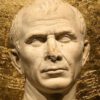
That person, then, whose mind is quiet through consistency and self-control, who finds contentment in himself, and neither breaks down in adversity nor crumbles in fright, nor burns with any thirsty need nor dissolves into wild and futile excitement, that person is the wise one we are seeking, and that person is happy.
[Ergo hic, quisquis est, qui moderatione et constantia quietus animo est sibique ipse placatus, ut nec tabescat molestiis nec frangatur timore nec sitienter quid expetens ardeat desiderio nec alacritate futtili gestiens deliquescat, is est sapiens quem quaerimus, is est beatus.]
Marcus Tullius Cicero (106-43 BC) Roman orator, statesman, philosopher
Tusculan Disputations [Tusculanae Disputationes], Book 4, ch. 17 (4.17) / sec. 37 (45 BC) [tr. Graver (2002)]
(Source)
(Source (Latin)). Alternate translations:He therefore, call him by what name you will, who through Moderation and Constancy, hath quiet of mind, and is at Peace with himself; so as neither to fret out of Discontent, nor to be confounded with Fear, who neither is inflam'd with an impatient longing after any thing, nor ravish'd out of himself into the Fools Paradice of an empty Mirth; this is the wise man, after whom we are in quest; this the Happy man.
[tr. Wase (1643)]Whoever then, through moderation and consistency, is at rest in his mind, and in calm possession of himself, so as neither to pine with care, nor be dejected with fear, neither to be inflamed with desire, nor dissolved by extravagant joy, such a one is the very wise man we enquire after, the happy man.
[tr. Main (1824)]Therefore the man, whoever he is, who has quiet of mind, through moderation and constancy, and thus at peace with himself, is neither corroded with cares, nor crippled by fear; and, thirsting for nothing impatiently, is exempt from the fires of desire, and, dizzied by the fumes of no futile felicity, reels with no riotous joy: this is the wise man we seek: this man is happy.
[tr. Otis (1839)]Whoever, then, through moderation and constancy, is at rest in his mind, and in calm possession of himself, so as neither to pine with care, nor be dejected with fear, nor to be inflamed with desire, coveting something greedily, nor relaxed by extravagant mirth, -- such a man is that identical wise man whom we are inquiring for, he is the happy man.
[tr. Yonge (1853)]Whoever then has his mind kept in repose by moderation and firmness, and is at peace with himself so that he is neither wasted by troubles nor broken down by fear, nor burns with longing in his thirsty quest of some object of desire, nor flows out in the demonstration of empty joy, is the wise man whom we seek; he is the happy man.
[tr. Peabody (1886)]
The cat does not merely experience contentment, he exudes it. You cannot be in the presence of a contented cat and not have some of that contentment rub off on you. Which surely is a good part of the reason we love cats so.
Jeffrey Moussaieff Masson (b. 1941) American author
The Nine Emotional Lives of Cats: A Journey Into the Feline Heart, ch. 3 (2002)
(Source)

Maturity begins when we’re content to feel we’re right about something without feeling the necessity to prove someone else wrong.
Sydney J. Harris (1917-1986) Anglo-American columnist, journalist, author
(Attributed)
Frequently attributed to Harris, but the original source has not been found. Earliest citation I could find was in Reader's Digest (1973), where it is further credited to the Publishers-Hall Syndicate.
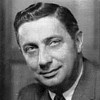
Man is the only animal who does not feel at home in nature, who can feel evicted from paradise, the only animal for whom his own existence is a problem that he has to solve and from which he cannot escape.
Erich Fromm (1900-1980) American psychoanalyst and social philosopher
The Anatomy of Human Destructiveness, ch. 10 (1973)
(Source)
Sometimes elided, "Man is the only animal for whom his own existence is a problem he has to solve."
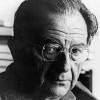
Dreadful will be the day when the world becomes contented, when one great universal satisfaction spreads itself over the world. Sad will be the day for every man when he becomes absolutely contented with the life that he is living, with the thoughts that he is thinking, with the deeds that he is doing, when there is not forever beating at the doors of his soul some great desire to do something larger which he knows that he was meant and made to do because he is a child of God.
Phillips Brooks (1835-1893) American clergyman, hymnist
Daily Thoughts from Phillips Brooks (1893)
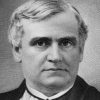
[T.E. Lawrence] is one of those great men for whom one feels intensely sorry because he was nothing but a great man.
Aldous Huxley (1894-1963) English novelist, essayist and critic
Letter to Virginia Ocampo (12 Dec 1946)

It has not yet been recorded that any human being has gained a very large or permanent contentment from meditation upon the fact that he is better off than others.
Sinclair Lewis (1885-1951) American novelist, playwright
Main Street (1920)
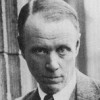
Happiness is not achieved by the conscious pursuit of happiness; it is generally the by-product of other activities.
Aldous Huxley (1894-1963) English novelist, essayist and critic
Vedanta for the Western World, “Distractions I” (1954)
Gentleness is everywhere in daily life, a sign that faith rules through ordinary things: through cooking and small talk, through storytelling, making love, fishing, tending animals and sweet corn and flowers, through sports, music and books, raising kids — all the places where the gravy soaks in and grace shines through.
Garrison Keillor (b. 1942) American entertainer, author
“The Meaning of Life,” We Are Still Married (1989)
CAESAR: Let me have men about me that are fat;
Sleek-headed men and such as sleep o’ nights:
Yon Cassius has a lean and hungry look;
He thinks too much; such men are dangerous.
A man cannot be comfortable without his own approval.
Mark Twain (1835-1910) American writer [pseud. of Samuel Clemens]
“What Is Man?” (1906)
To be content with little is difficult; to be content with much, impossible.
[Sich mit Wenigem begnügen ist schwer, sich mit Vielem begnügen noch schwerer.]
Marie von Ebner-Eschenbach (1830-1916) Austrian writer
Aphorisms [Aphorismen], No. 89 (1880) [tr. Wister (1883)]
(Source)
(Source (German)). Alternate translation:To be satisfied with little is hard, to be satisfied with a lot is impossible.
[tr. Scrase/Mieder (1994)]
I only ask that Fortune send
A little more than I shall spend.Oliver Wendell Holmes, Sr. (1809-1894) American poet, essayist, scholar
Poem (1858) “Contentment,” st. 3
(Source)
A handfull of good life is better then a bushell of learning.
George Herbert (1593-1633) Welsh priest, orator, poet.
Jacula Prudentum, or Outlandish Proverbs, Sentences, &c. (compiler), # 3 (1640 ed.)
(Source)
Licinius, trust a seaman’s lore:
Steer not too boldly to the deep,
Nor, fearing storms, by treacherous shore
Too closely creep.
Who makes the golden mean his guide,
Shuns miser’s cabin, foul and dark,
Shuns gilded roofs, where pomp and pride
Are envy’s mark.
[Rectius vives, Licini, neque altum
semper urgendo neque, dum procellas
cautus horrescis, nimium premendo
litus iniquum.
Auream quisquis mediocritatem
diligit, tutus caret obsoleti
sordibus tecti, caret invidenda
sobrius aula.]Horace (65–8 BC) Roman poet, satirist, soldier, politician [Quintus Horatius Flaccus]
Odes [Carmina], Book 2, # 10, l. 1ff (2.10.1-8) (23 BC) [tr. Conington (1872)]
(Source)
To Licinius Varro Murena, who was later executed as a conspirator against Augustus.
(Source (Latin)). Alternate translations:The safest way of life, is neither
To tempt the Deeps, nor whilst foul weather
You fearfully avoid, too near
The shore to steer.
He that affects the Golden Mean,
Will neither want a house that's clean,
Nor swell unto the place of showres
His envy'd Towres.
[tr. Fanshaw; ed. Brome (1666)]Wise they, that with a cautious fear
Not always thro the Ocean Steer,
Nor, whilst they think the Winds will roar,
Do thrust too near the rocky Shore:
To those that choose the golden Mean:
The Waves are smooth, the Skies serene;
They want the baseness of the Poors retreat,
And envy'd Houses of the Great.
[tr. Creech (1684)]Receive, dear friend, the truths I teach,
So shalt thou live beyond the reach
Of adverse fortunes pow'r;
Not always tempt the distant deep,
Nor always timorously creep
Along the treach'rous shore.
He that holds fast the golden mean,
And lives contentedly between
The little and the great,
Feels not the wants that pinch the poor,
Nor plagues that haunt the rich man's door,
Imbitt'ring all his state.
[tr. Cowper (1782?)]O Licinius, you will lead a more correct course of life, by neither always pursuing the main ocean, nor, while you cautiously are in dread of storms, by pressing too much upon the hazardous shore. Whosoever loves the golden mean, is secure from the sordidness of an antiquated cell, and is too prudent to have a palace that might expose him to envy.
[tr. Smart/Buckley (1853)]If thou wouldst live secure and free,
Thou wilt not keep far out at sea,
Licinius, evermore;
Nor, fearful of the gales that sweep
The ocean wide, too closely creep
Along the treacherous shore.
The man, who with a soul serene
Doth cultivate the golden mean,
Escapes alike from all
The squalor of a sordid cot,
And from the jealousies begot
By wealth in lordly hall.
[tr. Martin (1864)]Licinius, wouldst thou steer life's wiser voyage,
Neither launch always into deep mid-waters,
Nor hug the shores, and, shrinking from the tempest,
Hazard the quicksand.
He who elects the golden mean of fortune,
Nor where dull squalor rots the time-worn hovel,
Nor where fierce envy storms the new-built palace,
Makes his safe dwelling.
[tr. Bulwer-Lytton (1870)]Neither always tempt the deep,
Nor, Licinius, always keep,
Fearing storms, the slippery beach:
Such the rule of life I teach.
Golden is the middle state;
Love the middle gifts of fate,
Not the sloven squalid cot,
Proud and envied palace not.
[tr. Gladstone (1894)]Better, Licinius, wilt thou live, by neither
Tempting the deep for ever, nor, while tempests
Cautiously shunning, by too closely hugging
Shores that are treach'rous.
He who the golden mean adopts, is ever
Free from the sorrows of a squalid dwelling; --
Free from the cares attending on the envied
Halls of the wealthy.
[tr. Phelps (1897)]Licinius, better wilt thou live by neither urging
Alway out to sea, nor, while on guard 'gainst storms
Thou shudderest, by pressing an evil shore
Too close.
Whoever courts a golden mean is safe
To escape the squalor of a mouldered roof.
And shrewd to escape a paJace that may
Be grudged to him.
[tr. Garnsey (1907)]Safer thou'lt sail life's voyage, if them steer
Neither right out to sea, nor yet, when rise
The threat'ning tempests, hug the shore too near,
Unwisely wise.
What man soe'er the golden mean doth choose,
Prudent will shun the hovel's foul decay;
But with like sense, a palace will refuse
And vain display.
[tr. Marshall (1908)]Better wilt thou live, Licinius, by neither always pressing out to sea nor too closely hugging the dangerous shore in cautious fear of storms. Whoso cherishes the golden mean, safely avoids the foulness of an ill-kept house and discreetly, too, avoids a hall exciting envy.
[tr. Bennett (Loeb) (1912)]Licinius, would you live aright,
Tempt not the high seas evermore,
Nor, fearing tempests, in your fright
Too closely hug the dangerous shore.
Who loves the golden mean is free
And safe from grime -- the grime a house
Harbours in eld; his modesty
Earns not the envy mansions rouse.
[tr. Mills (1924)]Sail not too far to be safe, O Licinius!
Neither too close to the shore should you steer.
Rashness is foolish, and how ignominious
Cowardly fear!
He who possesses neither palace nor hovel
(My little flat would be half way between)
Hasn't a house at which paupers must grovel
Yet it is clean.
[tr. Adams (1928)]Licinius, to live wisely shun
The deep sea; on the other hand,
Straining to dodge the storm don't run
Too close in to the jagged land.
All who love safety make their prize
The golden mean and hate extremes:
Mansions are envied for their size,
Slums pitied for their rotting beams.
[tr. Michie (1963)]Licinius, life makes better sense
Lived neither pushing farther and farther
To sea, nor always hugging the dangerous
Shore, shaking at the thought of storms.
Cherish a golden mean and stay
Exempt from a filthy hovel
And exempt from the envy
A mansion excites.
[tr. Raffel (1983)]You'll do better, Licinius, not to spend your life
Venturing too far out on the dangerous waters,
Or else, for fear of storms, staying too close in
To the dangerous rocky shoreline, That man does best
Who chooses the middle way, so he doesn't end up
Living under a roof that's going to ruin
Or in some gorgeous mansion everyone envies.
[tr. Ferry (1997)]Better will you live, O Licinius, not always urging yourself out upon the high seas, nor ever hugging the insidious shore in fear of storms. He who esteems the golden mean safely avoids the squalor of a wretched house and in sobriety, equally shuns the enviable palace.
[tr. Alexander (1999)]You’ll live more virtuously, my Murena,
by not setting out to sea, while you’re in dread
of the storm, or hugging fatal shores
too closely, either.
Whoever takes delight in the golden mean,
safely avoids the squalor of a shabby house,
and, soberly, avoids the regal palace
that incites envy.
[tr. Kline (2015)]
Human happiness konsists in having what yu want, and wanting what yu hav.
[Human happiness consists in having what you want, and wanting what you have.]
Josh Billings (1818-1885) American humorist, aphorist [pseud. of Henry Wheeler Shaw]
Everybody’s Friend, Or; Josh Billing’s Encyclopedia and Proverbial Philosophy of Wit and Humor, ch. 131 “Affurisms: Plum Pits (1)” (1874)
(Source)
Away with complaints; for he is not poor, who has enough of things to use. If stomach, lungs, and feet are all in health, the wealth of kings can give you nothing more.
[Tolle querellas:
Pauper enim non est, cui rerum suppetit usus.
si ventri bene, si lateri est pedibusque tuis, nil
divitiae poterunt regales addere maius.]Horace (65–8 BC) Roman poet, satirist, soldier, politician [Quintus Horatius Flaccus]
Epistles [Epistularum, Letters], Book 1, ep. 12 “To Iccius,” l. 4ff (1.12.4-6) (20 BC) [tr. Fairclough (Loeb) (1926)]
(Source)
(Source (Latin)). Other translations:Do waye therefore thy practysde plaintes, bemone thy selfe no more.
For he that hath the use of goodes, cannot be judged poore.
If that thy bellie, sydes, and féete, and all thy partes be well,
Not wealth of kinges can adde to owght that doth this wealth excell.
[tr. Drant (1567)]Therefore leave off complaining that thou'rt poor:
For he's not poor, whom fortune does produce,
What e're is necessary for his use.
If thou canst get good Diet, and warm Cloaths,
Caesars Estate can't give thee more than those.
[tr. A. B.; ed. Brome (1666)]My Friend complain no more,
He that hath things for use is never poor.
If Thou hast cleanly Food and Cloaths enough,
What more than this can kingly Wealth bestow?
[tr. Creech (1684)]The cease complaining, friend, and learn to live.
He is not poor to whom kind Fortune grants,
Even with a frugal hand, what Nature wants.
Are you with food, and warmth, and raiment blest?
Not royal treasures are of more possest.
[tr. Francis (1747)]Hush then vain murmurs -- throw complaint aside!
He ne'er is poor, whose wants are well supplied.
Possess'd of health and food and raiment, know
Arabia's treasures can no more bestow.
[tr. Howes (1845)]Away with complaints! for that man is by no means poor, who has the use or everything, he wants. If it is well with your belly, your back, and your feet, regal wealth can add nothing greater.
[tr. Smart/Buckley (1853)]A truce to murmuring: with another's store
To use at pleasure, who shall call you poor?
Sides, stomach, feet, if these are all in health,
What more could man procure with princely wealth?
[tr. Conington (1874)]No more complaining, friend! for poor
That man is not who can insure
Whate'er for life is needful found.
Let your digestion be but sound.
Your side unwrung by spasm or stitch.
Your foot unconscious of a twitch,
And could you be more truly blest,
Though of the wealth of kings possessed?
[tr. Martin (1881)]Away with complaining -- for he is not a poor man who has a sufficiency for every need. If you have health in your stomach, your side, and your feet, the riches of kings can give you nothing superior.
[tr. Elgood (1893)]So stop complaining! The man is certainly not poor
Who has everything that he needs. A king’s own ransom
Can’t add a bit more, if your stomach and lungs
And feet are all right.
[tr. Palmer Bovie (1959)]He is not poor who has enough of things to use.
If it is well with your belly, chest and feet,
the wealth of kings can give you nothing more.
[Bartlett's (1968)]Stop complaining.
No one is a pauper who has all the things he needs.
If your belly's good and your lungs and feet are healthy,
no royal treasure could add the slightest bit to yours.
[tr. Fuchs (1977)]Stop complaining!
No one is poor who has enough of all he needs.
If your belly is full and your health is good and your feet
Don’t hurt, why would an emperor’s wealth be worth having?
[tr. Raffel (1983) "Ixus"]No one is poor who can use whatever he has.
[tr. Ferry (2001)]No more complaining!
The man who enjoys the use of commodities isn’t poor.
If stomach, chest, and feet are in good condition, then kings
with all their wealth can add nothing of greater value.
[tr. Rudd (2005 ed.)]Stop complaining:
He’s not poor whose enjoyment of things suffices.
If your lungs, stomach and feet are healthy, royal
Wealth can add nothing.
[tr. Kline (2015)]
The better part of happiness is to wish to be what you are.
Desiderius Erasmus (1465-1536) Dutch humanist philosopher and scholar
The Praise of Folly, ch. 10 (1509) [tr. Hudson (1941)]

His was a life which lacked, perhaps, the sublimer emotions which raised Man to the level of the gods, but it was undeniably an extremely happy one. He never experienced the thrill of ambition fulfilled, but, on the other hand, he never knew the agony of ambition frustrated. His name, when he died, would not live for ever in England’s annals; he was spared the pain of worrying about this by the fact that he had no desire to live for ever in England’s annals. He was possibly as nearly contented a human being can be in this century of alarms and excursions.
P. G. Wodehouse (1881-1975) Anglo-American humorist, playwright and lyricist [Pelham Grenville Wodehouse]
Something Fresh (1915)
A little well-gotten will do us more good,
Than lordships and scepters by Rapine and Blood.Benjamin Franklin (1706-1790) American statesman, scientist, philosopher, aphorist
Poor Richard (1743 ed.)
(Source)
Let everyone, then, do something, according to the measure of his capacities. To have no regular work, no set sphere of activity — what a miserable thing it is! How often long travels undertaken for pleasure make a man downright unhappy; because the absence of anything that can be called occupation forces him, as it were, out of his right element. Effort, struggles with difficulties! that is as natural to a man as grubbing in the ground is to a mole. To have all his wants satisfied is something intolerable — the feeling of stagnation which comes from pleasures that last too long. To overcome difficulties is to experience the full delight of existence.
[Inzwischen treibe jeder etwas, nach Maßgabe seiner Fähigkeiten. Denn wie nachteilig der Mangel an planmäßiger Tätigkeit, an irgend einer Arbeit, auf uns wirke, merkt man auf langen Vergnügungsreisen, als wo man, dann und wann, sich recht unglücklich fühlt; weil man, ohne eigentliche Beschäftigung, gleichsam aus seinem natürlichen Elemente gerissen ist. Sich zu mühen und mit dem Widerstande zu kämpfen ist dem Menschen Bedürfnis, wie dem Maulwurf das Graben. Der Stillstand, den die Allgenugsamkeit eines bleibenden Genusses herbeiführte, wäre ihm unerträglich. Hindernisse überwinden ist der Vollgenuß seines Daseins.]
Arthur Schopenhauer (1788-1860) German philosopher
Parerga and Paralipomena, Vol. 1, “Aphorisms on the Wisdom of Life [Aphorismen zur Lebensweisheit],” ch. 5 “Counsels and Maxims [Paränesen und Maximen],” § 2.17 (1851) [tr. Saunders (1890)]
(Source)
(Source (German)). Alternate translation:Nevertheless, everyone should do something according to the measure of his abilities. For on long pleasure-trips we see how pernicious is the effect on us of not having any systematic activity or work. On such trips we feel positively unhappy because we are without any proper occupation and are, so to speak, torn from our natural element. Effort, trouble, and struggle with opposition are as necessary to man as grubbing in the ground is to a mole. The stagnation that results from being wholly contented with a lasting pleasure would be for him intolerable. The full pleasure of his existence is in overcoming obstacles.
[tr. Payne (1974)]

The conviction of the rich that the poor are happier is no more foolish than the conviction of the poor that the rich are.
Mark Twain (1835-1910) American writer [pseud. of Samuel Clemens]
(Misattributed)
I cannot find any reference to this phrase prior to 1921, and no association with Twain until the mid-1970s.
The quotation apparently first appears in various newspaper "filler" columns (e.g., 1921-12-07); in no cases is there an attribution to Twain or to anyone else, except some references of it having been originally seen in the Boston Post (e.g., 1921-12-17, 1921-12-16, 1921-12-07).
One place where a name is associated with the quote is where it appears in the "Facts and Fancies" syndicated column of quips by Robert Quillen (1921-12-07). Quillen (1887-1948) was an American journalist and humorist, whose work was syndicated in hundreds of newspapers. He was know for, among other things, his one-liners. It's unclear whether he adopted material from others, or originated everything in "Facts and Fancies." If the latter, and if the column also appeared in the Boston Post, that would indicate Quillen actually is the source of this quotation.
One place for some doubt is that the one Quillen column shows a date of December 7, but so do some other papers which ran the quote. It is possible, as the actual publication dates of syndicated material can vary between papers or be delayed, that Quillen's column in the paper above ran after its original appearance (in the Boston Globe?), which other papers then stole from as filler material without crediting Quillen.
Twain, who died in 1910, does not seem associated with the quote until the mid-1970s, and it does not show up in more authoritative collections of Twain material. The association to Twain seems to come from Laurence J Peter, Peter's Quotations (1977). Peter included the phrase as a parenthetical comment to a Mark Twain quotation. The proximity may have led to Twain being associated with it (as here, which duplicates the entry from Peter, but with the attribution following the combined two quotes).
In sum, the quotation first appeared in December 1921, a decade after Twain's death, and was possibly created by Robert Quillen. It's association to Mark Twain came from its use by Lawrence Peter as an editorial comment to a different Twain quotation.
Countries like ours are full of people who have all the material comforts they desire, yet lead lives of quiet (and at times noisy) desperation, understanding nothing but the fact that there is a hole inside them and that however much food and drink they pour into it, however many motorcars and television sets they stuff it with, however many well-balanced children and loyal friends they parade around the edges of it, however much contentment they place between it and their own consciousness, it aches.

Cheerfulness keeps up a kind of daylight in the mind, and fills it with a steady and perpetual serenity.
Joseph Addison (1672-1719) English essayist, poet, statesman
Essay (1712-05-17), The Spectator, No. 381
(Source)
IAGO: Poor and content is rich, and rich enough;
But riches fineless is as poor as winter
To him that ever fears he shall be poor.William Shakespeare (1564-1616) English dramatist and poet
Othello, Act 3, sc. 3, l. 202ff (3.3.202-204) (1603)
(Source)